
 EN
EN
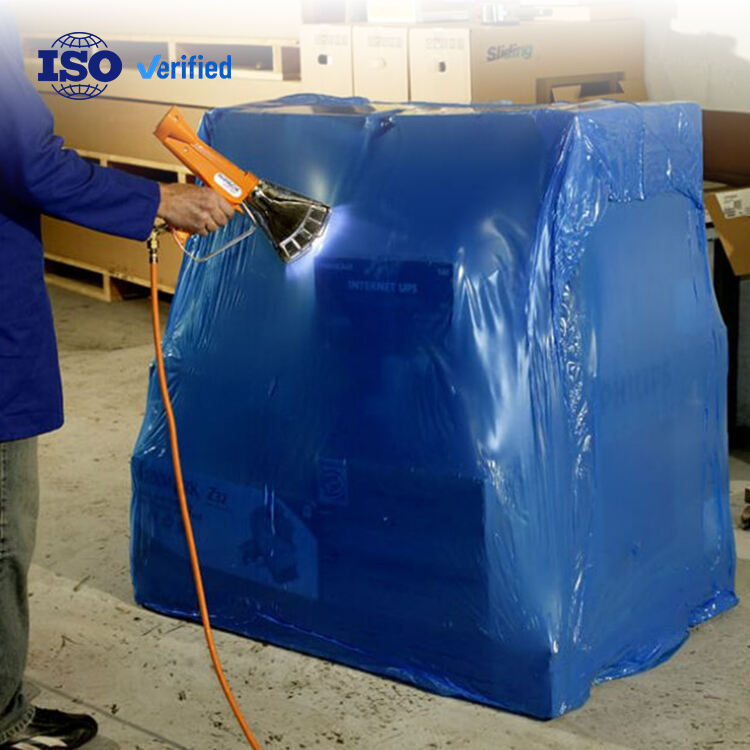
Understanding Industrial Packaging Solutions: A Deep Dive into Shrink Film Technologies
In the dynamic world of industrial packaging, shrink film has revolutionized how products are wrapped, protected, and presented to consumers. This versatile material has become indispensable across various industries, from food packaging to consumer goods. The choice between hand-roll and machine-grade options significantly impacts operational efficiency and final product presentation.
Today's manufacturing facilities face increasing pressure to optimize their packaging processes while maintaining product integrity and visual appeal. The decision between hand-roll and machine-grade shrink film isn't just about immediate costs – it's about long-term operational efficiency, waste reduction, and meeting specific application requirements.
The Fundamentals of Shrink Film Technology
Chemical Composition and Material Properties
Modern shrink film consists of polymer resins carefully engineered to provide specific performance characteristics. These materials undergo a complex manufacturing process where the film is stretched and oriented at the molecular level. When heat is applied, the film returns to its original state, creating a tight, protective wrap around products.
The molecular structure of shrink film determines its clarity, strength, and shrink ratio. Polyolefin, PVC, and polyethylene variants each offer unique benefits, from superior clarity to enhanced durability. Understanding these properties is crucial for selecting the right type for specific applications.
Manufacturing Processes and Quality Control
The production of shrink film involves sophisticated extrusion processes, where raw materials are melted, formed, and carefully cooled under controlled conditions. Machine-grade films typically undergo stricter quality control measures to ensure consistent performance in automated systems. Hand-roll varieties, while also quality-controlled, may have slightly more flexibility in their specifications.
Quality control measures include thickness monitoring, shrink ratio testing, and seal strength verification. These parameters must remain consistent throughout the entire roll to prevent packaging line disruptions and ensure uniform product presentation.

Width Specifications and Applications
Standard Width Options for Different Industries
Width selection in shrink film plays a crucial role in packaging efficiency and cost-effectiveness. Hand-roll options typically come in standard widths ranging from 12 to 24 inches, suitable for manual packaging operations. Machine-grade films offer wider options, often extending to 60 inches or more, accommodating automated packaging lines and larger products.
Industry-specific requirements often dictate width selection. Food packaging might require narrower widths for individual items, while industrial products may need wider films for bundling multiple units. Understanding these requirements helps optimize material usage and reduce waste.
Custom Width Considerations
Custom width options provide flexibility for unique packaging requirements. Machine-grade shrink film often offers more precise width tolerances, essential for high-speed packaging operations. The ability to specify exact widths can significantly impact operational efficiency and material consumption.
When considering custom widths, factors such as product dimensions, packaging equipment specifications, and production volume must be carefully evaluated. The additional cost of custom sizing should be weighed against potential savings in reduced waste and improved efficiency.
Gauge Selection and Performance Impact
Determining Optimal Thickness
Gauge selection directly influences package integrity and material costs. Hand-roll shrink film typically ranges from 60 to 100 gauge, suitable for lighter applications. Machine-grade options often extend from 45 to 150 gauge, providing options for both delicate items and heavy-duty applications.
The relationship between gauge and performance is not always linear. Thicker isn't always better – the optimal gauge depends on product weight, shape, and handling requirements. Advanced polymer technology has enabled thinner films to provide equivalent or superior performance to thicker traditional options.
Cost-Efficiency Analysis
Material costs represent a significant portion of packaging expenses. While thinner gauges may offer initial cost savings, they must provide adequate protection and performance. Machine-grade films often allow for downgauging without sacrificing strength, thanks to their superior manufacturing processes.
Long-term cost analysis should consider not just material expenses but also factors like packaging speed, breakage rates, and customer satisfaction. The right gauge selection can significantly impact the total cost of ownership for packaging operations.
Perforation Specifications and Benefits
Strategic Perforation Placement
Perforation patterns in shrink film serve multiple purposes, from air evacuation during shrinking to easy opening features for end-users. Machine-grade films often offer more precise and consistent perforation patterns, crucial for high-speed automated systems.
The location and size of perforations must be carefully planned to maintain package integrity while serving their intended purpose. Different products may require unique perforation patterns to optimize the shrinking process and enhance final presentation.
Application-Specific Requirements
Various industries require different perforation specifications based on their unique needs. Food packaging might need minimal perforations for product protection, while industrial bundling may require more extensive perforation patterns for air evacuation during the shrinking process.
Custom perforation patterns can be designed to address specific challenges, such as unusual product shapes or special ventilation requirements. The availability of custom solutions often differs between hand-roll and machine-grade options.
Frequently Asked Questions
What factors determine the choice between hand-roll and machine-grade shrink film?
The decision depends on production volume, available equipment, packaging requirements, and cost considerations. Machine-grade films are typically chosen for high-volume operations with automated equipment, while hand-roll options suit smaller operations or manual packaging processes.
How does film gauge affect packaging performance?
Film gauge influences package strength, clarity, and machine performance. Thicker gauges generally provide more durability but may require more heat for proper shrinking. The optimal gauge depends on product weight, handling requirements, and equipment specifications.
Can perforation patterns be customized for specific applications?
Yes, both hand-roll and machine-grade shrink film can feature custom perforation patterns. Machine-grade options typically offer more precise and consistent perforation capabilities, essential for automated packaging systems and specific product requirements.