
 EN
EN
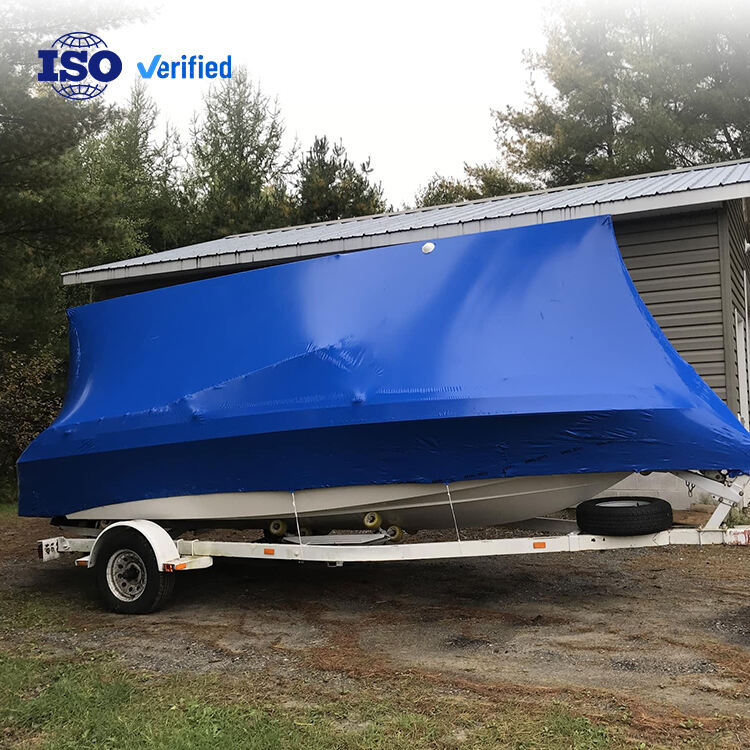
E-commerce businesses are constantly seeking innovative packaging solutions that reduce operational costs while maintaining product integrity during transit. Modern packaging challenges demand materials that offer superior protection, cost efficiency, and environmental responsibility. Advanced shrink film technology has emerged as a game-changing solution for online retailers looking to optimize their shipping operations and reduce overall packaging expenses.

Understanding Shrink Film Technology in Modern E-commerce
Material Composition and Performance Characteristics
Contemporary shrink film utilizes advanced polymer blends that provide exceptional clarity, strength, and shrinkage properties. These materials typically consist of polyolefin, PVC, or polyethylene compounds engineered to respond predictably to heat application. The molecular structure of these films creates a uniform shrinkage pattern that conforms tightly to product contours, eliminating excess material and reducing package volume significantly.
High-performance shrink film exhibits superior puncture resistance and tear strength compared to traditional packaging materials. These characteristics ensure products remain securely enclosed throughout the distribution chain, minimizing damage claims and return rates. The optical properties of premium shrink film also enhance product visibility, creating an attractive presentation that can influence consumer purchasing decisions.
Heat Activation and Shrinkage Mechanics
The shrinkage process involves controlled heat application that activates the polymer chains within the film structure. This thermal activation causes the material to contract uniformly, creating a tight seal around the packaged items. Professional-grade shrink film maintains consistent shrinkage ratios across different temperature ranges, ensuring reliable results in various packaging environments.
Temperature control systems in modern packaging operations can precisely regulate the heat application process, optimizing shrinkage performance while minimizing energy consumption. This precision reduces material waste and ensures consistent package appearance, contributing to brand professionalism and customer satisfaction.
Cost Reduction Strategies Through Advanced Packaging
Material Efficiency and Waste Minimization
Strategic implementation of shrink film technology can dramatically reduce packaging material consumption by up to 15% compared to traditional methods. The conforming nature of shrink film eliminates the need for excessive padding materials, void fill, and oversized containers. This reduction in material usage directly translates to lower purchasing costs and reduced storage requirements for packaging supplies.
Advanced shrink film formulations offer superior gauge-to-strength ratios, allowing businesses to use thinner films without compromising protection levels. This material optimization reduces raw material costs while maintaining or improving package integrity. The precision manufacturing of modern shrink film also minimizes thickness variations, ensuring consistent performance and reducing waste from defective packaging.
Shipping Cost Optimization
The dimensional weight pricing models used by major shipping carriers make package size optimization crucial for cost control. Shrink film packaging creates compact, uniform packages that maximize shipping efficiency and reduce dimensional weight charges. The tight conformance of shrink film eliminates air pockets and irregular shapes that can trigger higher shipping rates.
Multi-product bundling using shrink film technology allows e-commerce businesses to combine multiple items into single packages, reducing per-unit shipping costs and improving delivery efficiency. This bundling strategy also creates opportunities for upselling complementary products while providing customers with convenient multi-item packages.
Quality Assurance and Product Protection
Barrier Properties and Environmental Protection
High-performance shrink film provides excellent barrier properties against moisture, dust, and contaminants that could compromise product quality during storage and transit. These protective characteristics are particularly important for electronics, cosmetics, and other moisture-sensitive products commonly sold through e-commerce channels. The hermetic seal created by properly applied shrink film maintains product integrity throughout the supply chain.
UV-resistant shrink film formulations protect light-sensitive products from degradation during extended storage periods or exposure to fluorescent lighting in warehouses and distribution centers. This protection maintains product appearance and functionality, reducing customer complaints and return rates that can significantly impact profitability.
Tamper Evidence and Security Features
Modern shrink film applications provide inherent tamper-evident properties that help detect unauthorized access to packaged products. The tight seal created by the shrinkage process makes it difficult to access products without obvious signs of tampering, enhancing security and consumer confidence. This security feature is particularly valuable for high-value items or products requiring authentication verification.
Specialized shrink film varieties incorporate additional security features such as holographic patterns, color-changing properties, or embedded security threads. These advanced features help combat counterfeiting and provide visual authentication methods that consumers can easily verify upon receipt of their orders.
Equipment Integration and Operational Efficiency
Automated Packaging Systems
Contemporary shrink film packaging systems integrate seamlessly with automated fulfillment operations, enabling high-speed packaging without sacrificing quality or consistency. These systems utilize advanced sensors and control mechanisms to optimize film usage, heat application, and cycle times. The result is increased throughput capacity and reduced labor requirements for packaging operations.
Programmable packaging equipment allows operators to store multiple packaging profiles for different product types, enabling quick changeovers between various shrink film applications. This flexibility supports diverse product catalogs while maintaining operational efficiency and consistent packaging quality across all items.
Maintenance and Reliability Considerations
Professional-grade shrink film packaging equipment requires minimal maintenance when properly specified and operated within recommended parameters. Regular maintenance schedules focus on heat element inspection, conveyor alignment, and film feed mechanism calibration. These preventive measures ensure consistent packaging quality and minimize unexpected downtime that could disrupt order fulfillment operations.
Modern shrink film packaging systems incorporate diagnostic capabilities that monitor critical operating parameters and alert operators to potential issues before they impact production. This predictive maintenance approach reduces emergency repair costs and helps maintain optimal packaging performance throughout extended operating periods.
Environmental Sustainability and Compliance
Recyclable Material Options
Contemporary shrink film formulations increasingly utilize recyclable materials that align with corporate sustainability initiatives and regulatory requirements. Polyolefin-based shrink films offer excellent recyclability while maintaining superior performance characteristics. These materials can be processed through standard recycling streams, reducing environmental impact and supporting circular economy principles.
Bio-based shrink film alternatives derived from renewable resources provide additional sustainability benefits while maintaining comparable performance to traditional petroleum-based films. These innovative materials help businesses reduce their carbon footprint and appeal to environmentally conscious consumers who prioritize sustainable packaging practices.
Regulatory Compliance and Safety Standards
Food-grade shrink film applications must comply with FDA regulations and international food safety standards when used for consumable products. These regulations specify acceptable materials, migration limits, and testing requirements that ensure consumer safety. Certified shrink film suppliers maintain comprehensive documentation and testing protocols to demonstrate compliance with all relevant regulations.
International shipping requirements may impose additional restrictions on packaging materials, particularly for certain product categories or destination countries. Working with experienced shrink film suppliers ensures compliance with these varying requirements and helps avoid shipping delays or regulatory issues that could impact customer satisfaction.
FAQ
What factors determine the optimal shrink film thickness for e-commerce applications
The optimal thickness depends on product weight, dimensions, and fragility requirements. Lightweight items typically require 12-15 micron films, while heavier or more fragile products may need 19-25 micron films. Consider shipping conditions, handling intensity, and cost objectives when selecting thickness. Professional packaging assessments can help determine the most cost-effective film gauge for specific applications.
How does shrink film performance vary across different temperature ranges
Shrink film performance is temperature-dependent, with optimal shrinkage occurring within specific temperature windows typically ranging from 250-350°F. Lower temperatures may result in incomplete shrinkage and poor seal quality, while excessive heat can cause film degradation or burning. Modern packaging equipment includes temperature monitoring systems to maintain optimal conditions for consistent results.
Can shrink film packaging be used for irregularly shaped products
Yes, shrink film excels at conforming to irregular product shapes, making it ideal for uniquely configured items that are difficult to package with rigid containers. The film's ability to shrink and conform eliminates void spaces and provides secure containment regardless of product geometry. This flexibility makes shrink film particularly valuable for custom or artisanal products commonly sold through e-commerce platforms.
What are the key considerations for implementing shrink film in existing packaging operations
Implementation considerations include equipment compatibility, facility ventilation requirements, operator training needs, and material storage conditions. Assess current packaging volumes, product mix, and quality requirements to determine appropriate equipment sizing and film specifications. Partner with experienced suppliers who can provide technical support, training, and ongoing optimization assistance to ensure successful implementation and maximum cost savings.
Table of Contents
- Understanding Shrink Film Technology in Modern E-commerce
- Cost Reduction Strategies Through Advanced Packaging
- Quality Assurance and Product Protection
- Equipment Integration and Operational Efficiency
- Environmental Sustainability and Compliance
-
FAQ
- What factors determine the optimal shrink film thickness for e-commerce applications
- How does shrink film performance vary across different temperature ranges
- Can shrink film packaging be used for irregularly shaped products
- What are the key considerations for implementing shrink film in existing packaging operations