
 EN
EN
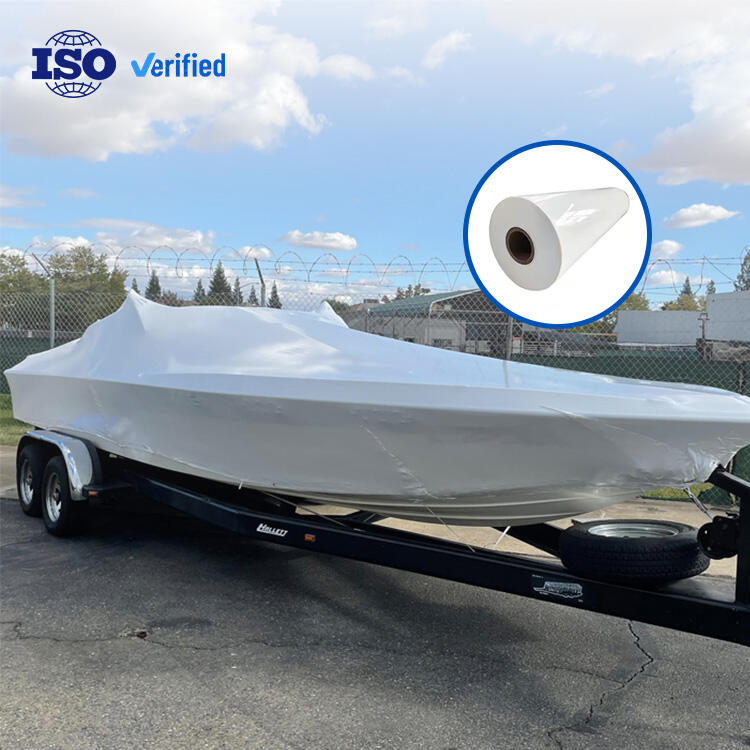
In today's competitive manufacturing landscape, businesses are constantly seeking innovative ways to reduce operational costs while maintaining product quality and customer satisfaction. Shrink film packaging has emerged as a revolutionary solution that addresses these challenges by offering superior protection, enhanced aesthetics, and significant cost savings across multiple industries. This comprehensive packaging method utilizes specialized polymer films that contract when exposed to heat, creating a tight, protective seal around products of various shapes and sizes.

The adoption of shrink film packaging technology represents more than just a packaging choice; it signifies a strategic business decision that can dramatically impact your bottom line. Companies across industries ranging from food and beverage to electronics and pharmaceuticals have discovered that this versatile packaging solution delivers measurable returns on investment through reduced material costs, improved efficiency, and enhanced product presentation. Understanding the full scope of benefits and implementation strategies is crucial for businesses looking to optimize their packaging operations and achieve sustainable cost reductions.
Understanding Shrink Film Technology and Applications
Material Composition and Performance Characteristics
Shrink film packaging utilizes advanced polymer technologies, primarily polyolefin, PVC, and polyethylene materials, each engineered to deliver specific performance characteristics. Polyolefin films offer exceptional clarity, strong seal strength, and FDA approval for food contact applications, making them ideal for retail packaging where product visibility is crucial. These materials demonstrate superior puncture resistance and provide excellent barrier properties against moisture, dust, and contamination.
The shrinkage mechanism occurs when heat activation causes the polymer chains to return to their original, more compact molecular structure. This process typically occurs at temperatures between 250°F and 350°F, depending on the film type and thickness. The controlled shrinkage creates uniform pressure distribution around the packaged product, ensuring consistent protection and professional appearance across all units in a production run.
Industry-Specific Applications and Benefits
Manufacturing industries have embraced shrink film packaging for diverse applications, from bundling multiple products together to creating tamper-evident seals on individual items. In the electronics sector, shrink film packaging provides essential protection against static electricity and environmental factors while maintaining cost-effectiveness. The automotive industry utilizes this technology for parts protection during shipping and storage, ensuring components arrive in pristine condition.
Food and beverage companies particularly benefit from the versatility of shrink film packaging, as it accommodates irregular shapes and provides excellent product visibility for retail environments. The pharmaceutical industry relies on this packaging method to ensure product integrity and provide tamper-evidence, critical factors for maintaining consumer safety and regulatory compliance.
Cost Reduction Strategies Through Material Optimization
Film Thickness Selection and Performance Balance
Optimizing film thickness represents one of the most significant opportunities for cost savings in shrink film packaging operations. While thicker films provide enhanced protection and durability, they also increase material costs and may require higher temperatures for proper activation. Conducting thorough testing to determine the minimum effective thickness for specific applications can result in material cost reductions of 15-25% without compromising package integrity.
Advanced film formulations now allow manufacturers to achieve superior performance with thinner gauges through improved polymer blending and additive technologies. These innovations enable companies to maintain packaging strength and appearance standards while reducing raw material consumption. The key lies in balancing protection requirements with cost objectives through systematic evaluation of film properties and application-specific performance criteria.
Multi-Product Packaging Solutions
Implementing shrink film packaging for multi-product bundling creates substantial cost advantages compared to individual packaging approaches. This strategy reduces per-unit packaging costs while improving handling efficiency throughout the supply chain. Companies often achieve 30-40% cost reductions by transitioning from individual wrapping to collective packaging solutions, particularly for promotional bundles and bulk retail packages.
The versatility of shrink film packaging allows for creative bundling configurations that maximize shipping density and reduce transportation costs. By packaging multiple items together, businesses can optimize container utilization, reduce handling labor, and create attractive retail presentations that enhance product appeal and sales velocity.
Equipment Investment and Operational Efficiency Gains
Automated Shrink Packaging Systems
Modern shrink film packaging equipment delivers remarkable improvements in operational efficiency and labor cost reduction. Automated systems can process hundreds of packages per hour with minimal operator intervention, dramatically reducing labor requirements compared to manual packaging methods. These systems typically generate return on investment within 12-18 months through labor savings alone, not accounting for material cost benefits and quality improvements.
Integration capabilities with existing production lines allow companies to implement shrink film packaging without major facility modifications or workflow disruptions. Advanced control systems provide precise temperature and timing control, ensuring consistent package quality while minimizing material waste and rejected products. The reliability of automated equipment reduces downtime and maintenance costs, contributing to overall operational cost reductions.
Energy Efficiency and Sustainable Operations
Contemporary shrink packaging equipment incorporates energy-efficient heating technologies that significantly reduce operating costs compared to older systems. Variable heat control and insulation improvements can reduce energy consumption by 20-35% while maintaining optimal packaging performance. These efficiency gains translate directly to reduced utility costs and improved environmental sustainability profiles.
Heat recovery systems and improved thermal management allow facilities to capture and reuse energy generated during the shrink process. This circular approach to energy utilization further reduces operational costs while supporting corporate sustainability initiatives. Companies implementing these technologies often report significant reductions in their carbon footprint alongside measurable cost savings.
Supply Chain Optimization and Logistics Benefits
Shipping and Storage Advantages
Shrink film packaging creates compact, uniform packages that optimize shipping container utilization and reduce transportation costs. The tight conforming nature of shrunk films eliminates excess air space and creates stackable units that maximize loading density. Companies frequently achieve 15-20% improvements in shipping efficiency, translating to substantial cost reductions in freight and logistics expenses.
Storage benefits extend beyond space optimization to include improved inventory management and reduced handling damage. Shrink-wrapped products resist dust accumulation, moisture penetration, and minor impacts during warehouse operations. These protective qualities reduce product loss and maintain package appearance throughout extended storage periods, ultimately improving customer satisfaction and reducing return costs.
Inventory Management and Product Protection
The protective properties of shrink film packaging significantly reduce product damage during storage and transportation phases of the supply chain. This protection translates to reduced insurance claims, lower replacement costs, and improved customer relationships through consistent product quality delivery. The tamper-evident characteristics of properly applied shrink film packaging also provide security benefits that protect against theft and unauthorized access.
Improved product identification through clear film visibility enhances inventory tracking accuracy and reduces handling errors. Warehouse personnel can quickly identify products without unwrapping packages, improving picking efficiency and reducing labor costs associated with inventory management operations.
Quality Control and Brand Enhancement Benefits
Professional Appearance and Market Appeal
Shrink film packaging delivers superior visual presentation compared to many alternative packaging methods, creating professional appearance standards that enhance brand perception and market appeal. The crystal-clear visibility provided by high-quality shrink films allows products to be showcased effectively while maintaining complete protection. This visibility advantage often translates to improved sales performance and reduced marketing costs through enhanced shelf appeal.
Customization opportunities through printed shrink films enable companies to incorporate branding elements, product information, and marketing messages directly into the packaging. This integration reduces the need for separate labels and promotional materials, streamlining packaging operations while creating distinctive market presence that differentiates products from competitors.
Consistency and Quality Assurance
Automated shrink film packaging systems deliver remarkable consistency in package appearance and protection levels, ensuring uniform quality standards across all production runs. This consistency reduces customer complaints, return processing costs, and quality control labor requirements. The standardized appearance created by shrink film packaging also supports brand recognition and customer confidence in product quality.
Quality monitoring capabilities integrated into modern shrink packaging equipment provide real-time feedback on packaging performance and material utilization. These monitoring systems help identify optimization opportunities and prevent quality issues before they impact customer satisfaction or require costly corrections.
Implementation Strategies for Maximum Cost Savings
Phased Deployment and Risk Management
Successful implementation of shrink film packaging requires careful planning and phased deployment to minimize risks and ensure optimal results. Starting with pilot programs on select product lines allows companies to develop expertise, optimize processes, and demonstrate benefits before full-scale implementation. This approach reduces implementation costs and minimizes potential disruptions to existing operations.
Risk management strategies should include backup equipment planning, supplier diversification, and staff training programs to ensure continuity of operations during transition periods. Establishing clear performance metrics and monitoring systems enables companies to track progress and make data-driven adjustments throughout the implementation process.
Supplier Partnership and Material Optimization
Developing strategic partnerships with shrink film packaging suppliers provides access to technical expertise, material innovations, and volume purchasing advantages that enhance cost savings potential. Suppliers often provide valuable support in optimizing film selection, equipment setup, and process parameters to achieve maximum efficiency and cost reduction.
Regular evaluation of material specifications and supplier performance ensures continued optimization of costs and quality standards. Market dynamics and technology advances create ongoing opportunities for improvement that strategic partnerships can help identify and implement effectively.
FAQ
What is the typical payback period for shrink film packaging equipment investment
Most companies achieve payback on shrink film packaging equipment within 12-24 months, depending on production volume and labor cost savings. High-volume operations often see returns in under 12 months, while smaller facilities typically realize payback within 18-24 months. The calculation should include material cost savings, labor reduction, improved efficiency, and reduced product damage in addition to the initial equipment cost.
How does shrink film packaging compare to other packaging methods in terms of material costs
Shrink film packaging typically costs 20-40% less than rigid packaging alternatives and 15-25% less than flexible packaging options like pouches or bags. The exact savings depend on product size, protection requirements, and volume considerations. Multi-product bundling applications often show even greater cost advantages due to reduced per-unit packaging requirements.
What factors should be considered when selecting shrink film materials
Key selection factors include shrinkage characteristics, optical clarity, seal strength, temperature resistance, and regulatory compliance requirements. Product weight, shape complexity, and storage conditions also influence material choice. Cost optimization requires balancing performance requirements with material thickness and specialty additives to achieve minimum effective specifications without over-engineering the package.
Can existing packaging lines be converted to use shrink film packaging
Many existing packaging lines can be adapted for shrink film packaging through equipment modifications or additions rather than complete replacement. The feasibility depends on available space, power requirements, and integration capabilities with current systems. Professional assessment by packaging equipment specialists can identify the most cost-effective conversion approach and estimate implementation timelines and costs.
Table of Contents
- Understanding Shrink Film Technology and Applications
- Cost Reduction Strategies Through Material Optimization
- Equipment Investment and Operational Efficiency Gains
- Supply Chain Optimization and Logistics Benefits
- Quality Control and Brand Enhancement Benefits
- Implementation Strategies for Maximum Cost Savings
-
FAQ
- What is the typical payback period for shrink film packaging equipment investment
- How does shrink film packaging compare to other packaging methods in terms of material costs
- What factors should be considered when selecting shrink film materials
- Can existing packaging lines be converted to use shrink film packaging