
 EN
EN
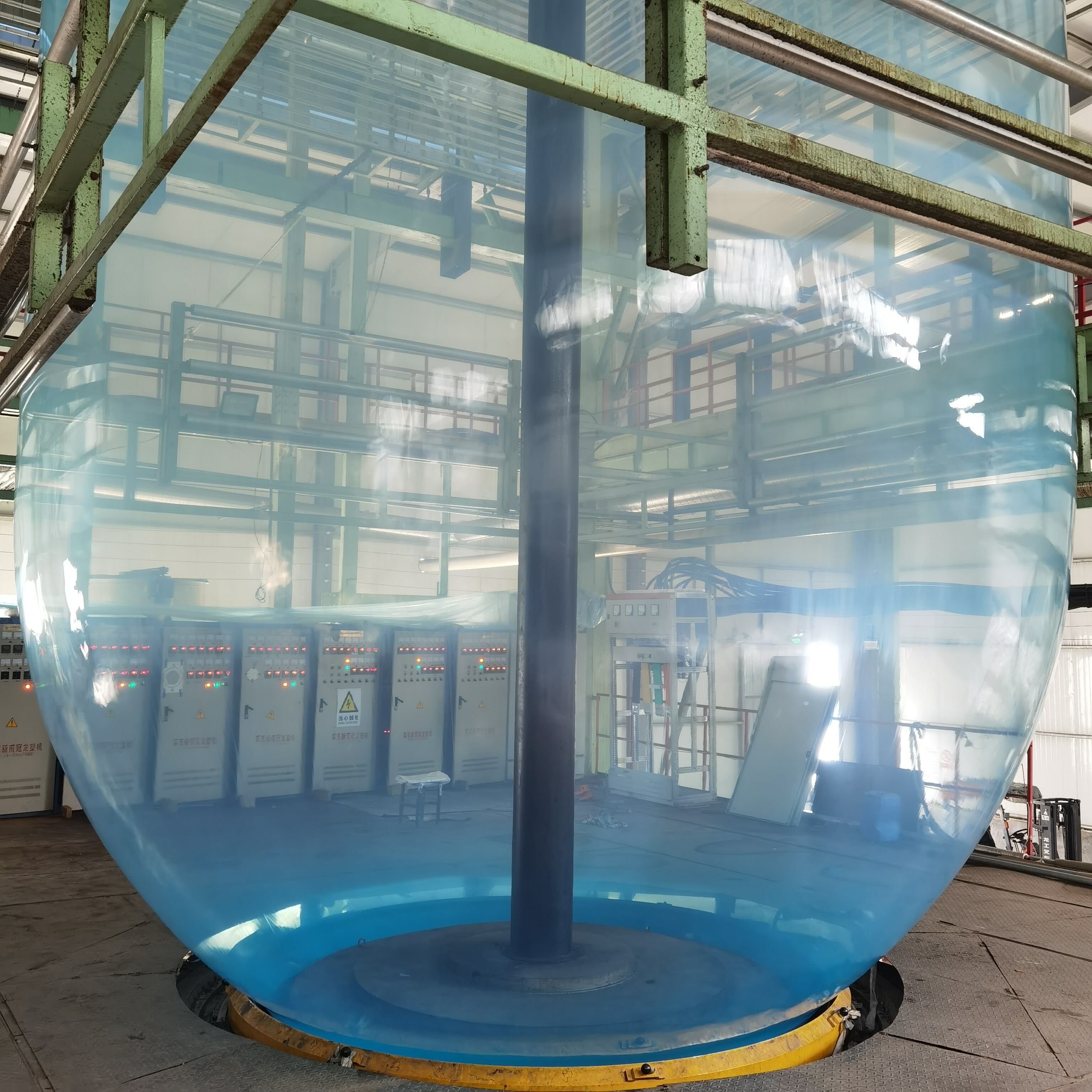
High-density polyethylene, commonly referred to as HDPE material, represents one of the most environmentally responsible polymer choices available in today's manufacturing landscape. This thermoplastic polymer offers a unique combination of durability, recyclability, and resource efficiency that makes it an increasingly popular choice for companies seeking to reduce their environmental footprint while maintaining product performance standards.
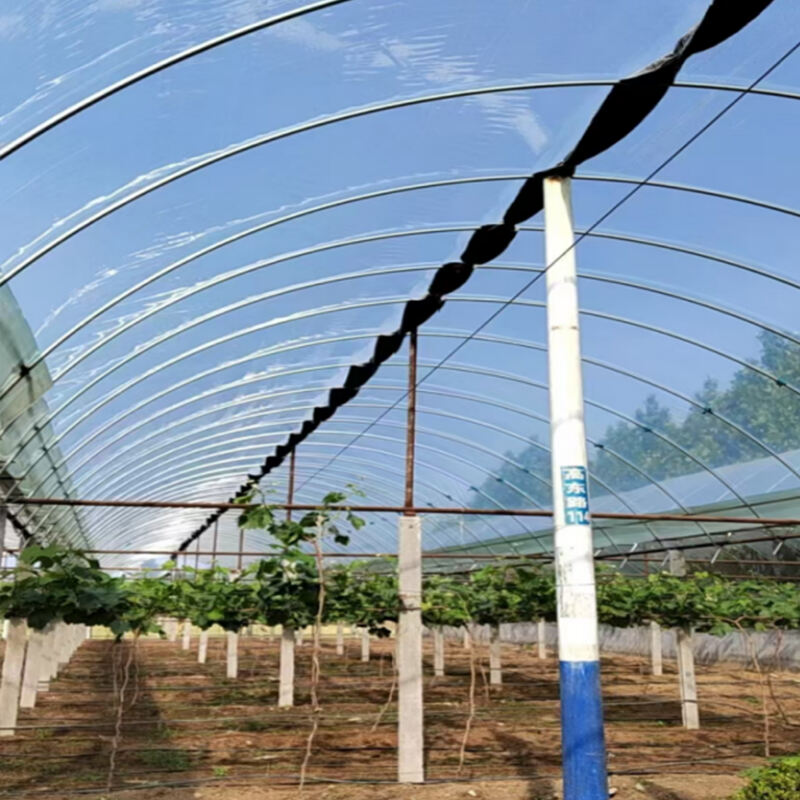
Understanding the environmental advantages of HDPE material requires examining its complete lifecycle, from production through disposal or recycling. Unlike many traditional materials, HDPE demonstrates remarkable environmental efficiency across multiple impact categories, including carbon footprint reduction, waste minimization, and resource conservation. These characteristics position HDPE material as a cornerstone of sustainable manufacturing practices across industries ranging from packaging to infrastructure development.
Resource Efficiency and Production Benefits
Lower Energy Requirements During Manufacturing
The production process for HDPE material requires significantly less energy compared to alternative materials like glass, aluminum, or steel. This energy efficiency stems from the relatively low processing temperatures needed to transform raw polyethylene into finished HDPE products. Manufacturing facilities typically operate HDPE production lines at temperatures between 120-180°C, considerably lower than the energy-intensive processes required for metal or ceramic alternatives.
Energy savings extend beyond the initial polymerization process. HDPE material can be processed using injection molding, blow molding, and extrusion techniques that operate at lower pressures and temperatures than those required for other polymers. This efficiency translates directly into reduced fossil fuel consumption and lower greenhouse gas emissions during the manufacturing phase, making HDPE material an environmentally conscious choice from the production standpoint.
The streamlined manufacturing process also reduces the need for secondary operations such as coating, painting, or surface treatments that are often required with other materials. HDPE material achieves its final properties through the primary forming process, eliminating additional energy consumption and chemical usage associated with post-processing operations.
Reduced Raw Material Consumption
HDPE material demonstrates exceptional strength-to-weight ratios, allowing manufacturers to achieve desired performance characteristics while using less raw material. This efficiency means that products made from HDPE material typically require 30-50% less material by weight compared to equivalent items made from traditional alternatives. The reduced material consumption directly correlates with lower extraction pressure on natural resources and decreased transportation-related emissions.
The molecular structure of HDPE material provides inherent resistance to environmental stressors, eliminating the need for additional protective materials or treatments. This characteristic reduces the overall material footprint of products while maintaining or improving their functional performance. Industries utilizing HDPE material report substantial reductions in total material requirements without compromising product quality or longevity.
Manufacturing processes can optimize HDPE material usage through precise control of wall thickness and structural design. Advanced molding techniques allow producers to minimize material waste while achieving complex geometries that would require additional components or assembly steps with other materials. This optimization further enhances the environmental benefits by reducing both material consumption and production complexity.
Superior Recyclability and Circular Economy Integration
High Recycling Efficiency and Quality Retention
HDPE material stands out in the recycling landscape due to its ability to maintain structural integrity and performance characteristics through multiple recycling cycles. Unlike many polymers that experience significant degradation during reprocessing, HDPE material retains approximately 90-95% of its original properties after recycling. This exceptional quality retention enables true circular economy implementation, where recycled HDPE can substitute for virgin material in many applications.
The recycling process for HDPE material involves mechanical reprocessing that requires minimal chemical intervention or energy input compared to other recycling methods. Standard recycling facilities can efficiently process HDPE using conventional sorting, cleaning, and reprocessing equipment. This compatibility with existing recycling infrastructure reduces the barriers to widespread HDPE recycling and increases the overall recycling rate for products made from this material.
Post-consumer recycled HDPE material demonstrates performance characteristics that often exceed regulatory requirements for new applications. This quality enables manufacturers to incorporate high percentages of recycled content into new products without compromising functionality or safety standards. Many industries now specify recycled HDPE material as their preferred option, creating strong market demand that drives continued recycling efforts.
Extended Product Lifecycle and Reuse Potential
The inherent durability of HDPE material contributes significantly to environmental benefits through extended product lifecycles. Products manufactured from HDPE material typically demonstrate service lives of 50-100 years in structural applications, far exceeding the lifespan of alternative materials. This longevity reduces the frequency of replacement, thereby minimizing resource consumption and waste generation over time.
HDPE material maintains its structural integrity and aesthetic properties throughout extended use periods, even under challenging environmental conditions. Resistance to UV degradation, chemical exposure, and physical stress means that HDPE products retain their functionality without requiring maintenance treatments that could introduce environmental contaminants. This durability translates into reduced lifecycle environmental impact through decreased maintenance requirements and extended replacement intervals.
The reuse potential of HDPE material extends beyond its intended application lifecycle. Products reaching end-of-service can often be repurposed for alternative applications that utilize their remaining structural capacity. This cascading use pattern maximizes the environmental value extracted from each unit of HDPE material before it enters the recycling stream, further enhancing its overall environmental benefit profile.
Chemical Resistance and Environmental Safety
Inert Nature and Contamination Prevention
HDPE material exhibits exceptional chemical inertness, meaning it does not react with or leach harmful substances into surrounding environments under normal use conditions. This characteristic makes HDPE material particularly suitable for applications where environmental contamination prevention is critical, such as waste containment, chemical storage, and water distribution systems. The inert nature eliminates concerns about soil or groundwater contamination that can occur with reactive materials.
The molecular structure of HDPE material creates an effective barrier against chemical migration, protecting both the stored contents and the surrounding environment. This barrier property enables safe storage of various substances without risk of cross-contamination or environmental release. Industries handling potentially hazardous materials rely on HDPE material specifically for its ability to maintain containment integrity over extended periods.
Unlike materials that require protective coatings or treatments to achieve chemical resistance, HDPE material provides inherent protection through its base polymer structure. This eliminates the environmental burden associated with coating applications, maintenance, and eventual disposal of treated materials. The natural chemical resistance of HDPE material supports sustainable operations without requiring additional environmental protection measures.
Non-Toxic Composition and Safe Disposal
HDPE material consists entirely of carbon and hydrogen atoms, creating a non-toxic composition that poses minimal environmental risk even in end-of-life scenarios. This simple molecular structure means that HDPE material does not contain heavy metals, volatile organic compounds, or other substances that could create environmental hazards during disposal or recycling processes. The clean composition supports safe handling throughout the product lifecycle.
When HDPE material reaches end-of-life and cannot be recycled, it can be safely disposed of through controlled incineration with energy recovery. The combustion of HDPE material produces only carbon dioxide and water vapor, avoiding the release of toxic compounds that occur when burning materials containing additives or contaminants. This clean burning characteristic makes HDPE material compatible with waste-to-energy systems that support sustainable waste management practices.
Environmental testing consistently demonstrates that HDPE material does not contribute to soil or water contamination when properly managed at end-of-life. Landfilled HDPE material remains inert and does not generate leachate containing harmful substances. This environmental stability provides confidence in HDPE material applications where long-term environmental safety is paramount, supporting responsible product design and disposal planning.
Water Conservation and Pollution Reduction
Reduced Water Usage in Manufacturing
Manufacturing processes for HDPE material require significantly less water compared to alternative materials, contributing to water conservation efforts in industrial operations. The polymerization and forming processes for HDPE material utilize closed-loop cooling systems that minimize water consumption and eliminate discharge of process water. This efficiency becomes particularly important in regions facing water scarcity or strict discharge regulations.
Processing facilities can achieve high-quality HDPE material production without requiring water-intensive cleaning operations between production runs. The non-stick properties of HDPE material facilitate easy mold release and equipment cleaning, reducing the need for water-based cleaning solutions. This characteristic supports lean manufacturing practices while minimizing water consumption and wastewater generation.
The durability and chemical resistance of HDPE material equipment and tooling further support water conservation by extending equipment life and reducing cleaning frequency. Manufacturing facilities report substantial reductions in water usage when converting to HDPE material processing, demonstrating the cumulative water conservation benefits achievable through material selection decisions.
Prevention of Water Contamination
HDPE material applications in water infrastructure and containment systems provide critical environmental protection by preventing contamination of water resources. The impermeable nature of HDPE material creates effective barriers against pollutant migration, protecting groundwater and surface water from contamination. This protection becomes especially valuable in applications such as landfill liners, underground storage tanks, and industrial containment systems.
Water distribution systems utilizing HDPE material maintain water quality without introducing taste, odor, or chemical contaminants that can occur with other piping materials. The inert surface of HDPE material prevents biofilm formation and chemical leaching, ensuring that transported water maintains its quality from source to delivery point. This characteristic supports public health while reducing the need for additional water treatment processes.
Long-term studies of HDPE material in water contact applications demonstrate consistent performance without degradation that could compromise water quality. The material maintains its barrier properties and structural integrity throughout extended service periods, providing reliable environmental protection. This performance consistency makes HDPE material a preferred choice for critical water protection applications where failure could result in significant environmental damage.
FAQ
How does HDPE material compare to other plastics in terms of environmental impact?
HDPE material demonstrates superior environmental performance compared to most other plastics due to its high recyclability, energy-efficient production process, and long service life. Unlike PVC or polystyrene, HDPE material contains no harmful additives and can be recycled multiple times without significant quality degradation. Its lower processing temperatures reduce energy consumption during manufacturing, while its durability extends product lifecycles and reduces replacement frequency, making it one of the most environmentally responsible plastic choices available.
Can HDPE material be recycled indefinitely without losing quality?
While HDPE material cannot be recycled truly indefinitely, it maintains approximately 90-95% of its original properties through multiple recycling cycles, significantly outperforming other polymers. Most HDPE material can undergo 5-7 recycling cycles before showing noticeable quality degradation. Even after multiple recycling cycles, recycled HDPE material often exceeds performance requirements for many applications, making it highly suitable for circular economy implementation and sustainable manufacturing practices.
What makes HDPE material more environmentally friendly than traditional materials like steel or concrete?
HDPE material offers several environmental advantages over traditional materials, including dramatically lower production energy requirements, reduced transportation emissions due to lighter weight, and elimination of maintenance treatments like painting or coating. Unlike steel or concrete, HDPE material requires no mining of raw materials, produces no toxic byproducts during manufacturing, and maintains performance without ongoing chemical treatments. Additionally, HDPE material provides complete recyclability at end-of-life, while traditional materials often require energy-intensive recycling processes or result in disposal challenges.
How does using HDPE material contribute to corporate sustainability goals?
HDPE material supports corporate sustainability goals through multiple pathways including reduced carbon footprint due to energy-efficient production, decreased waste generation through extended product lifecycles, and enhanced recycling capabilities that support circular economy initiatives. Companies using HDPE material typically achieve measurable reductions in material consumption, energy usage, and waste disposal costs. The clean composition and recyclability of HDPE material also help organizations meet environmental compliance requirements and sustainability reporting standards while demonstrating genuine environmental stewardship to stakeholders and customers.
Table of Contents
- Resource Efficiency and Production Benefits
- Superior Recyclability and Circular Economy Integration
- Chemical Resistance and Environmental Safety
- Water Conservation and Pollution Reduction
-
FAQ
- How does HDPE material compare to other plastics in terms of environmental impact?
- Can HDPE material be recycled indefinitely without losing quality?
- What makes HDPE material more environmentally friendly than traditional materials like steel or concrete?
- How does using HDPE material contribute to corporate sustainability goals?