 EN
EN
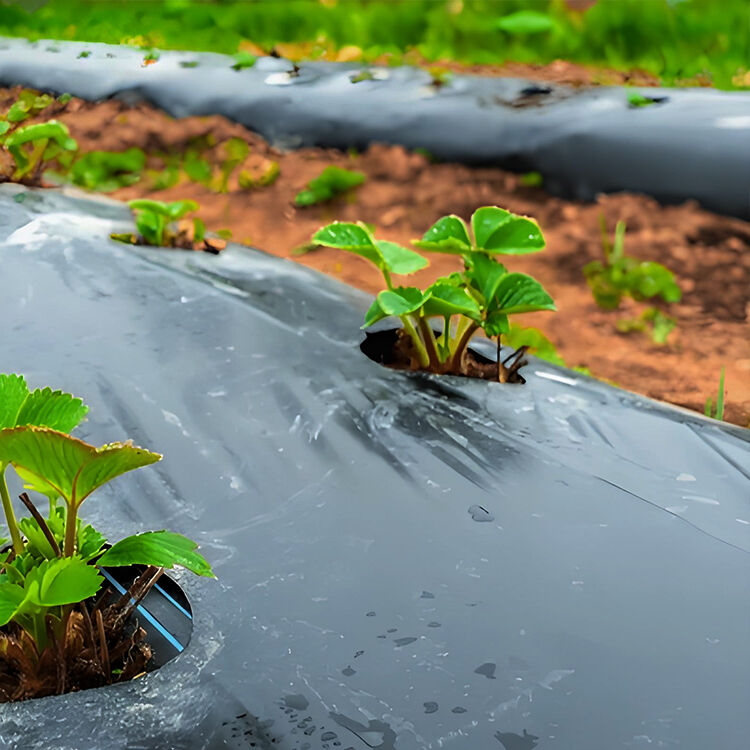
Modern agriculture faces unprecedented challenges in meeting global food demands while adapting to changing climate conditions. One revolutionary solution that has transformed farming practices is multi-layer agricultural film, which enables farmers to extend growing seasons and maximize crop yields. This advanced technology creates controlled environments that protect crops from adverse weather conditions, pests, and diseases while optimizing growing conditions year-round. The implementation of multi-layer agricultural film has become increasingly vital for sustainable farming operations worldwide, offering farmers greater control over their agricultural production cycles.
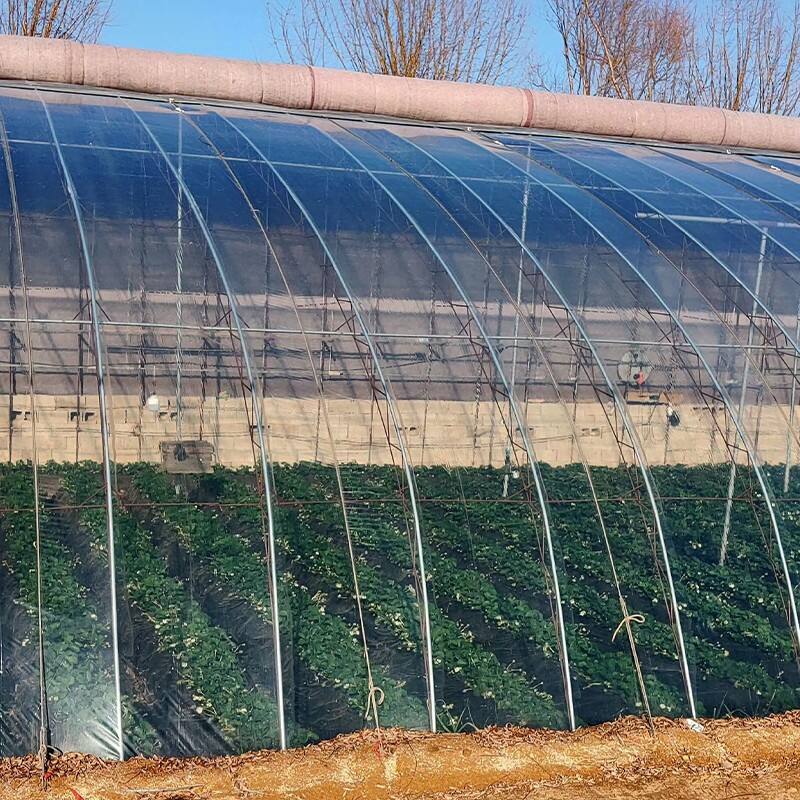
Understanding Multi-Layer Agricultural Film Technology
Construction and Material Composition
Multi-layer agricultural film represents a sophisticated advancement in protective covering technology, featuring multiple layers of specialized materials engineered for optimal performance. Each layer serves distinct functions, with the outer layer providing UV resistance and weather protection, middle layers offering insulation and light diffusion properties, and inner layers ensuring optimal light transmission and condensation management. The materials typically include polyethylene, ethylene vinyl acetate, and specialized additives that enhance durability and performance characteristics.
The manufacturing process involves co-extrusion techniques that bond multiple polymer layers together, creating a unified structure with enhanced properties. This multi-layer agricultural film construction allows for precise control over light transmission, thermal properties, and mechanical strength. Advanced formulations incorporate anti-drip agents, UV stabilizers, and infrared absorbers that work synergistically to create optimal growing conditions for various crop types.
Key Performance Characteristics
The performance of multi-layer agricultural film depends on several critical characteristics that distinguish it from conventional single-layer alternatives. Light transmission properties can be precisely engineered to filter specific wavelengths while maximizing photosynthetically active radiation for optimal plant growth. Thermal properties include superior heat retention during cool periods and effective heat dissipation during warm conditions, creating stable temperature environments throughout extended growing seasons.
Mechanical properties such as tear resistance, puncture strength, and elongation capabilities ensure long-term durability under various environmental stresses. The multi-layer construction provides enhanced resistance to weathering, chemical degradation, and physical damage from wind, hail, and handling. These characteristics make multi-layer agricultural film an ideal solution for season extension applications in diverse climatic conditions.
Season Extension Applications and Benefits
Early Season Crop Production
Early season crop production represents one of the most significant advantages of implementing multi-layer agricultural film systems. By creating protected environments that maintain optimal temperature and humidity levels, farmers can begin planting operations several weeks earlier than traditional outdoor cultivation methods allow. This extended planting window enables earlier harvest dates and increased market opportunities when produce prices are typically higher due to limited supply availability.
The thermal regulation properties of multi-layer agricultural film create microclimates that protect young plants from frost damage and temperature fluctuations that commonly occur during spring months. Heat retention during cool nights and gradual warming during daylight hours provide stable growing conditions that promote healthy plant development and reduce transplant shock. These benefits translate to improved germination rates, faster establishment, and stronger plant development during critical early growth stages.
Late Season Harvest Extension
Late season applications of multi-layer agricultural film enable farmers to continue harvesting operations well into autumn and early winter months, significantly extending the productive growing season. The protective covering shields crops from early frost events that would otherwise terminate growing seasons prematurely. Temperature moderation provided by the film system maintains favorable growing conditions even as ambient temperatures decline, allowing continued photosynthesis and fruit development.
Extended harvest periods provide substantial economic benefits through increased total yield per growing season and access to premium pricing during periods of reduced market supply. Multi-layer agricultural film systems enable farmers to maximize return on investment by utilizing growing infrastructure for longer periods while maintaining product quality standards throughout extended harvest windows.
Environmental Control and Crop Protection
Temperature Regulation Mechanisms
Temperature regulation represents a fundamental benefit of multi-layer agricultural film applications, providing farmers with enhanced control over growing environment conditions. The multi-layer construction creates insulating barriers that reduce heat loss during cool periods while managing heat accumulation during warm conditions. Advanced film formulations incorporate infrared-blocking properties that prevent excessive heat buildup while maintaining optimal growing temperatures for different crop types.
Thermal mass effects created within covered growing areas help stabilize temperature fluctuations that can stress plants and reduce productivity. The gradual temperature changes facilitated by multi-layer agricultural film systems promote consistent plant metabolism and reduce energy expenditure on stress responses. This temperature stability is particularly beneficial for heat-sensitive crops and varieties that require specific temperature ranges for optimal development and yield production.
Moisture Management and Humidity Control
Effective moisture management is crucial for successful season extension, and multi-layer agricultural film provides sophisticated solutions for humidity control within protected growing environments. The film systems reduce water loss through evaporation while maintaining optimal humidity levels that support healthy plant growth without creating conditions favorable for disease development. Condensation management features prevent excessive moisture accumulation that could lead to fungal problems or plant stress.
Water conservation benefits achieved through multi-layer agricultural film applications include reduced irrigation requirements and improved water use efficiency. The controlled environment reduces wind-driven moisture loss and provides more predictable irrigation scheduling opportunities. These water management advantages become increasingly important in regions facing water scarcity or where efficient resource utilization is essential for sustainable agricultural operations.
Crop Yield and Quality Improvements
Enhanced Growing Conditions
Multi-layer agricultural film creates enhanced growing conditions that directly translate to improved crop yields and quality characteristics. The controlled environment reduces plant stress from environmental fluctuations, allowing crops to allocate more energy toward productive growth rather than survival responses. Consistent growing conditions promote uniform development, reduced physiological disorders, and improved harvest quality that meets premium market standards.
Light quality optimization achieved through multi-layer agricultural film systems enhances photosynthetic efficiency and promotes desirable plant characteristics. Specific light transmission properties can be engineered to favor vegetative growth, flowering, or fruit development depending on crop requirements and production objectives. These controlled light conditions result in more predictable growth patterns and improved synchronization of harvest timing across the growing area.
Protection from Environmental Stresses
Environmental stress protection provided by multi-layer agricultural film systems significantly improves crop performance and reduces production risks associated with unpredictable weather conditions. Wind protection reduces mechanical damage and moisture loss while creating calmer growing environments that support healthy plant development. Protection from hail, excessive rainfall, and temperature extremes prevents crop losses that commonly occur in unprotected cultivation systems.
The barrier properties of multi-layer agricultural film also provide protection from airborne pests and diseases while allowing beneficial insects access when properly managed. This selective protection reduces reliance on chemical pest control methods while maintaining effective crop protection. The combination of environmental control and selective protection creates optimal growing conditions that support sustainable agricultural practices and improved crop quality outcomes.
Installation and Maintenance Considerations
Proper Installation Techniques
Successful implementation of multi-layer agricultural film systems requires careful attention to installation techniques that maximize performance and durability. Proper tensioning during installation ensures optimal film behavior under wind loads while preventing excessive stress concentrations that could lead to premature failure. Support structure design must accommodate thermal expansion and contraction of the film material while providing adequate ventilation opportunities for climate control.
Installation timing should consider seasonal weather patterns and crop production schedules to maximize the benefits of multi-layer agricultural film applications. Pre-season installation allows for system testing and adjustments before critical growing periods begin. Proper anchoring and securing methods ensure film stability during adverse weather conditions while allowing for necessary maintenance access throughout the growing season.
Maintenance and Longevity Factors
Regular maintenance of multi-layer agricultural film systems is essential for maintaining optimal performance and extending service life. Inspection procedures should identify potential problems such as tears, UV degradation, or attachment point failures before they compromise system integrity. Cleaning protocols help maintain optimal light transmission properties while preventing accumulation of debris that could create stress concentrations or reduce film effectiveness.
Replacement scheduling should consider film degradation indicators, performance changes, and economic factors related to continued use versus replacement costs. Multi-layer agricultural film systems typically provide several seasons of effective service when properly maintained, making them cost-effective solutions for season extension applications. Proper storage of replacement materials and installation equipment ensures readiness for timely system updates when needed.
Economic Benefits and Return on Investment
Cost-Benefit Analysis
The economic advantages of multi-layer agricultural film systems become apparent through comprehensive cost-benefit analysis that considers initial investment costs, operational expenses, and revenue enhancements from extended growing seasons. Increased production capacity achieved through season extension typically generates revenue increases that exceed system costs within the first few growing seasons. Premium pricing opportunities during extended harvest periods provide additional economic incentives for adopting multi-layer agricultural film technology.
Operational cost reductions include decreased heating expenses, reduced crop loss from weather damage, and improved resource utilization efficiency. Multi-layer agricultural film systems often reduce labor costs associated with replanting damaged crops and emergency protective measures. The predictable growing conditions created by film systems enable more efficient planning and resource allocation, contributing to overall operational cost reductions.
Market Advantages and Competitive Benefits
Market advantages gained through multi-layer agricultural film implementation include extended market presence, improved product quality, and enhanced supply chain reliability. Farmers utilizing film systems can maintain consistent product availability throughout extended seasons while competitors face production limitations from weather constraints. This extended market presence often leads to stronger customer relationships and premium pricing opportunities.
Quality improvements achieved through controlled growing environments enable access to premium markets that require specific quality standards. Multi-layer agricultural film systems support certification programs and quality assurance requirements that command higher prices in specialty markets. The combination of extended seasons, improved quality, and reliable production creates competitive advantages that justify system investments and support long-term business growth.
Future Developments and Innovation Trends
Advanced Material Technologies
Future developments in multi-layer agricultural film technology focus on advanced materials that provide enhanced performance characteristics and sustainable solutions for modern agriculture. Smart film technologies incorporating sensors and responsive materials promise automated climate control capabilities that optimize growing conditions without manual intervention. Biodegradable film options address environmental concerns while maintaining performance standards required for effective season extension applications.
Nanotechnology applications in multi-layer agricultural film development offer opportunities for precision engineering of material properties at the molecular level. These advanced materials may provide enhanced UV protection, improved thermal properties, and integrated pest management capabilities that further improve crop protection and yield optimization. Research into bio-based polymers and renewable material sources supports sustainable agriculture objectives while maintaining performance requirements.
Integration with Precision Agriculture
Integration of multi-layer agricultural film systems with precision agriculture technologies creates opportunities for automated environmental monitoring and control systems. Sensor integration enables real-time monitoring of temperature, humidity, and light conditions within covered growing areas, supporting data-driven management decisions. Automated ventilation and climate control systems can respond to environmental conditions without manual intervention, optimizing growing conditions throughout extended seasons.
Digital agriculture platforms incorporating multi-layer agricultural film performance data support predictive modeling and optimization algorithms that improve system efficiency and crop outcomes. These integrated systems provide farmers with comprehensive tools for managing extended growing seasons while maximizing return on investment through precise environmental control and resource optimization.
FAQ
How long does multi-layer agricultural film typically last
Multi-layer agricultural film systems typically provide 3-5 years of effective service life when properly installed and maintained. The actual lifespan depends on environmental conditions, UV exposure levels, and maintenance practices. Higher quality films with advanced UV stabilizers may last longer in challenging climatic conditions. Regular inspection and proper care can help maximize film longevity and performance throughout its service life.
What crops benefit most from multi-layer agricultural film season extension
Warm-season crops such as tomatoes, peppers, cucumbers, and leafy greens typically show the greatest benefits from multi-layer agricultural film season extension. These crops are sensitive to temperature fluctuations and frost damage, making them ideal candidates for protected cultivation. Cool-season crops can also benefit from film systems that extend harvest periods and protect from extreme weather conditions during vulnerable growth stages.
Can multi-layer agricultural film be recycled or disposed of sustainably
Many multi-layer agricultural film products can be recycled through specialized plastic recycling programs designed for agricultural films. Proper collection and cleaning of used films is essential for successful recycling. Some manufacturers offer take-back programs for their products, while biodegradable options provide sustainable disposal alternatives. Farmers should check with local recycling facilities and manufacturers for available recycling options in their areas.
What ventilation considerations are important with multi-layer agricultural film systems
Adequate ventilation is crucial for multi-layer agricultural film systems to prevent excessive heat buildup and maintain optimal growing conditions. Ventilation systems should provide both passive and active air exchange capabilities to manage temperature and humidity levels. Proper ventilation design considers prevailing winds, temperature patterns, and crop requirements to ensure effective climate control throughout the growing season while maintaining the benefits of protected cultivation.
Table of Contents
- Understanding Multi-Layer Agricultural Film Technology
- Season Extension Applications and Benefits
- Environmental Control and Crop Protection
- Crop Yield and Quality Improvements
- Installation and Maintenance Considerations
- Economic Benefits and Return on Investment
- Future Developments and Innovation Trends
- FAQ