
 EN
EN
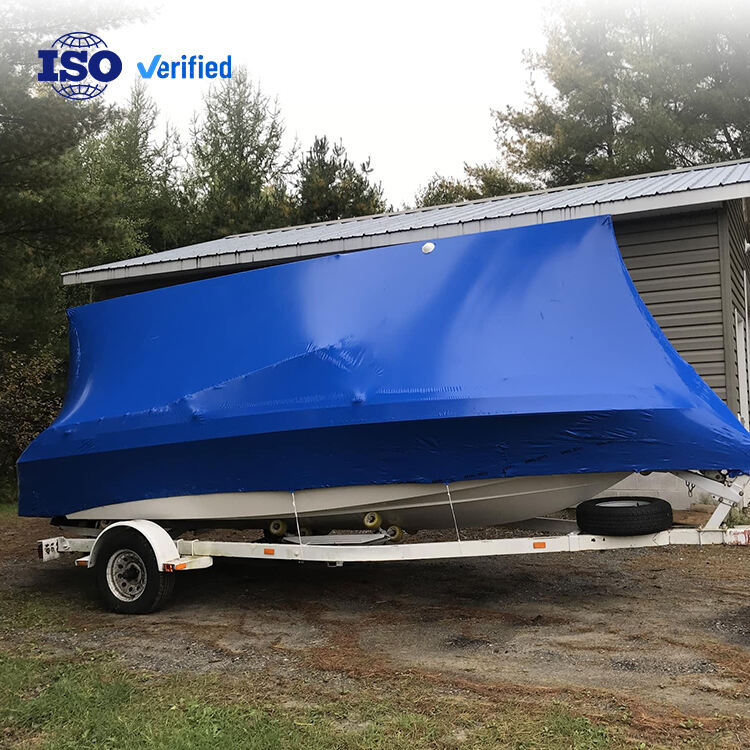
Industrial packaging demands have evolved significantly in recent years, with manufacturers seeking more robust and reliable solutions for protecting their products during storage and transportation. Heavy-duty shrink film has emerged as a cornerstone technology in modern packaging operations, offering superior strength, versatility, and cost-effectiveness compared to traditional packaging materials. This comprehensive solution addresses the complex challenges faced by industries ranging from food processing to automotive manufacturing, where standard packaging simply cannot withstand the rigorous demands of industrial environments.

The selection of appropriate packaging materials directly impacts product integrity, operational efficiency, and bottom-line profitability. Understanding the specific characteristics and applications of industrial-grade shrink films enables businesses to optimize their packaging processes while ensuring maximum protection for their valuable assets. This technology has revolutionized how companies approach product protection, offering customizable solutions that adapt to diverse industrial requirements and environmental conditions.
Understanding Industrial-Grade Shrink Film Technology
Material Composition and Manufacturing Process
Heavy-duty shrink film is manufactured using advanced polymer extrusion techniques that create films with exceptional strength-to-weight ratios. The production process involves carefully controlled temperature and pressure conditions to ensure uniform thickness and molecular alignment throughout the material. Multiple polymer layers are often combined to achieve specific performance characteristics, including puncture resistance, clarity, and shrink properties that activate at precise temperature ranges.
The molecular structure of these films is engineered to provide biaxial orientation, meaning the material exhibits strength properties in both machine and transverse directions. This balanced approach ensures consistent performance regardless of how stress is applied during handling, transportation, or storage. Advanced additives are incorporated during manufacturing to enhance UV resistance, anti-static properties, and thermal stability, making these films suitable for demanding industrial environments.
Performance Characteristics and Specifications
Industrial applications require shrink films that can withstand extreme conditions while maintaining their protective properties. Heavy-duty shrink film typically offers tensile strength values exceeding 30,000 PSI, with puncture resistance that far surpasses conventional packaging materials. The shrink ratio can be customized from 30% to 75% depending on application requirements, allowing for tight conformance to irregularly shaped products or loose wrapping for items requiring breathing room.
Temperature activation ranges are precisely controlled, with most industrial-grade films activating between 250°F and 350°F. This controlled shrinkage ensures consistent results across different production environments and equipment configurations. The film's memory properties allow it to return to its original dimensions when heated, creating a secure, tamper-evident seal that provides both protection and visual indication of package integrity.
Primary Industrial Applications
Manufacturing and Production Environments
Manufacturing facilities utilize heavy-duty shrink film for protecting finished goods, work-in-process inventory, and raw materials. The film's ability to conform to complex geometries makes it ideal for bundling automotive parts, electronic components, and machinery assemblies. Production lines benefit from the rapid application speed possible with modern shrink tunnel systems, enabling high-throughput packaging operations without compromising protection quality.
In metalworking industries, heavy-duty shrink film provides excellent corrosion protection for steel products, aluminum extrusions, and precision-machined components. The film creates a barrier against moisture, dust, and chemical contaminants that could compromise product quality during extended storage periods. This protection is particularly valuable for export shipments where products may encounter varying environmental conditions during international transit.
Food Processing and Agricultural Applications
Food processing operations require packaging solutions that meet strict hygiene standards while providing extended shelf life protection. Heavy-duty shrink film formulated for food contact applications offers excellent barrier properties against oxygen, moisture, and aromatic compounds. These characteristics are essential for maintaining product freshness and preventing contamination during distribution and retail storage.
Agricultural applications include protection of bulk commodities, equipment storage, and seasonal crop covering. The film's UV resistance properties make it suitable for outdoor applications where extended sun exposure is unavoidable. Greenhouse operations utilize specialized shrink films to create controlled growing environments while protecting crops from adverse weather conditions and pest intrusion.
Selection Criteria and Performance Optimization
Environmental Considerations
Selecting appropriate heavy-duty shrink film requires careful evaluation of environmental conditions throughout the product lifecycle. Temperature extremes, humidity levels, and chemical exposure potential all influence material selection decisions. Films designed for cold storage applications incorporate plasticizers that maintain flexibility at sub-zero temperatures, while high-temperature environments require materials with enhanced thermal stability and resistance to degradation.
UV exposure considerations are particularly important for products stored outdoors or in facilities with significant natural lighting. Specialized UV-stabilized formulations can extend service life from months to years when properly selected for specific exposure conditions. Chemical resistance properties must be evaluated when films will contact cleaning agents, process chemicals, or atmospheric pollutants that could compromise film integrity over time.
Equipment Compatibility and Processing Parameters
Successful implementation of heavy-duty shrink film systems requires proper matching of film properties to processing equipment capabilities. Shrink tunnel configurations, conveyor speeds, and temperature profiles must be optimized for specific film formulations to achieve consistent results. Air circulation patterns within shrink tunnels significantly impact film performance, with proper airflow ensuring uniform heat distribution and preventing overheating or under-shrinking.
Sealing equipment must be calibrated to accommodate the increased thickness and strength of heavy-duty films compared to standard packaging materials. Seal temperatures, dwell times, and pressure settings require adjustment to achieve reliable seals without causing film degradation. Regular maintenance of heating elements and temperature controllers ensures consistent processing conditions and prevents quality variations that could compromise package integrity.
Economic Benefits and Cost Considerations
Total Cost of Ownership Analysis
While heavy-duty shrink film may carry higher initial material costs compared to conventional packaging, the total cost of ownership often favors the premium solution when all factors are considered. Reduced product damage rates, lower labor costs due to faster application speeds, and decreased storage space requirements contribute to overall economic benefits. The superior strength characteristics allow for thinner gauge films in many applications, offsetting material cost differences while maintaining protection levels.
Extended storage capabilities enabled by heavy-duty shrink film can eliminate the need for climate-controlled warehouse space in certain applications. The film's moisture barrier properties protect products from humidity-related degradation, allowing for storage in less expensive facilities without compromising quality. This flexibility in storage options can result in significant operational cost savings for companies with large inventory requirements.
Productivity and Efficiency Improvements
Modern heavy-duty shrink film systems enable higher packaging line speeds compared to alternative protection methods such as stretch wrapping or corrugated boxing. The rapid shrink activation and cooling cycles allow for continuous operation with minimal bottlenecks in production flow. Automated handling systems can process shrink-wrapped products immediately after cooling, eliminating staging areas and reducing handling requirements.
Quality consistency improvements result in fewer customer complaints, reduced returns, and enhanced brand reputation. The visual appeal of properly shrink-wrapped products can provide marketing advantages, particularly for retail applications where package appearance influences purchasing decisions. These intangible benefits contribute to long-term business success and customer satisfaction levels that justify investment in premium packaging solutions.
Installation and Implementation Best Practices
System Design and Layout Considerations
Successful heavy-duty shrink film implementation begins with proper system design that considers product flow, available space, and integration requirements with existing equipment. Conveyor systems must be designed to handle the weight and dimensions of wrapped products while maintaining appropriate speeds for optimal film shrinkage. Adequate clearances around shrink tunnels ensure safe operation and provide access for maintenance activities.
Ventilation systems are critical for removing vapors generated during the shrinking process and maintaining comfortable working conditions. Proper exhaust design prevents film vapors from accumulating in work areas while maintaining energy efficiency. Heat recovery systems can capture thermal energy from shrink tunnels for use in facility heating or other processes, improving overall energy utilization and reducing operating costs.
Training and Safety Protocols
Operator training programs should cover proper film handling techniques, equipment operation procedures, and troubleshooting methods for common issues. Understanding film behavior during heating cycles enables operators to recognize potential problems before they result in quality defects or equipment damage. Regular training updates ensure operators stay current with best practices and safety requirements as technology evolves.
Safety protocols must address the hazards associated with high-temperature equipment, moving machinery, and chemical vapors. Personal protective equipment requirements, emergency procedures, and routine safety inspections create a comprehensive safety program that protects workers while maintaining productivity. Documentation of training activities and safety incidents helps identify improvement opportunities and demonstrates compliance with regulatory requirements.
Quality Control and Testing Procedures
Performance Validation Methods
Establishing quality control procedures for heavy-duty shrink film applications requires systematic testing of both incoming materials and finished packages. Film thickness measurements, tensile strength testing, and shrink ratio verification ensure materials meet specification requirements before use in production. Regular sampling and testing programs help identify material variations that could affect package quality or processing efficiency.
Package integrity testing involves evaluation of seal strength, film thickness uniformity, and overall appearance quality. Drop testing, compression testing, and environmental conditioning simulate real-world conditions to verify package performance throughout the distribution cycle. These validation activities provide confidence in package reliability and help optimize processing parameters for consistent results.
Troubleshooting Common Issues
Common challenges with heavy-duty shrink film applications include uneven shrinkage, seal failures, and film degradation. Uneven shrinkage typically results from inadequate heat distribution, improper conveyor speeds, or film handling issues that create stress concentrations. Systematic evaluation of processing parameters and equipment condition usually identifies root causes for these problems.
Seal failures may indicate incorrect temperature settings, contaminated sealing surfaces, or film compatibility issues with sealing equipment. Regular maintenance of sealing elements and proper cleaning procedures prevent many seal-related problems. When film degradation occurs, investigation of storage conditions, handling practices, and environmental exposure helps identify contributing factors and prevent recurrence.
Future Trends and Technology Developments
Advanced Material Innovations
Research and development efforts in heavy-duty shrink film technology focus on enhanced performance characteristics while reducing environmental impact. Bio-based polymers and recycled content materials are being developed to address sustainability concerns without compromising protective properties. These innovations aim to provide the same level of performance as traditional materials while offering improved end-of-life disposal options.
Smart packaging technologies incorporate sensors and indicators directly into shrink film materials to provide real-time monitoring of package conditions. Temperature indicators, moisture sensors, and tamper-evident features add value beyond basic protection functions. These technologies enable supply chain visibility and quality assurance capabilities that were previously impossible with conventional packaging materials.
Automation and Industry 4.0 Integration
Automated shrink wrapping systems are becoming increasingly sophisticated, with vision systems and artificial intelligence enabling real-time quality monitoring and process optimization. These technologies can detect packaging defects, adjust processing parameters automatically, and provide predictive maintenance capabilities that minimize downtime and maximize efficiency.
Integration with enterprise resource planning systems and supply chain management platforms enables comprehensive tracking and analysis of packaging performance data. This connectivity allows for data-driven decision making regarding material selection, process optimization, and quality improvement initiatives. The resulting insights help companies continuously improve their packaging operations and achieve higher levels of customer satisfaction.
FAQ
What thickness of heavy-duty shrink film should I choose for my application
Film thickness selection depends on the weight, shape, and protection requirements of your products. Generally, heavier items or those with sharp edges require thicker films ranging from 75 to 100 gauge, while lighter products may only need 60 to 75 gauge material. Consider the level of abuse your packages will encounter during handling and transportation when making thickness decisions.
How does shrink temperature affect film performance and energy costs
Lower shrink activation temperatures reduce energy consumption and processing time while potentially extending equipment life. However, films that activate at lower temperatures may have different strength characteristics or storage requirements. Balance energy savings with performance requirements and ensure your equipment can reliably achieve the activation temperature throughout the shrink tunnel.
Can heavy-duty shrink film be recycled or disposed of safely
Most heavy-duty shrink films are recyclable through appropriate polymer recycling programs, though contamination from adhesives or labels may affect recyclability. Check with local recycling facilities about acceptance criteria and preparation requirements. Some manufacturers offer take-back programs for used film materials to ensure proper recycling and environmental compliance.
What are the key differences between polyethylene and polyolefin shrink films
Polyethylene films typically offer better puncture resistance and lower cost, making them suitable for heavy or irregularly shaped products. Polyolefin films provide superior clarity, stronger seals, and better FDA compliance for food applications, but at higher material costs. Consider your specific requirements for appearance, strength, and regulatory compliance when choosing between these materials.
Table of Contents
- Understanding Industrial-Grade Shrink Film Technology
- Primary Industrial Applications
- Selection Criteria and Performance Optimization
- Economic Benefits and Cost Considerations
- Installation and Implementation Best Practices
- Quality Control and Testing Procedures
- Future Trends and Technology Developments
- FAQ