
 EN
EN
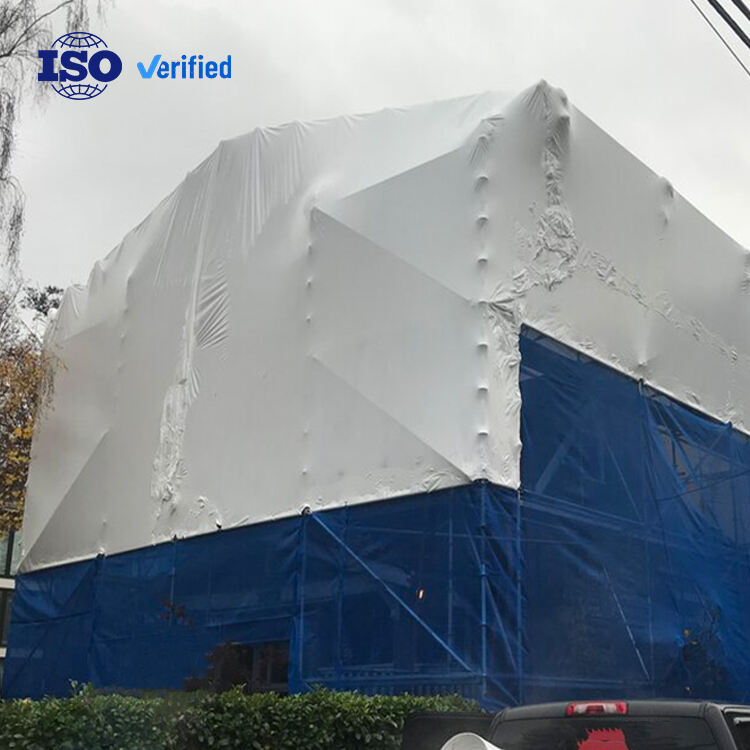
Shrink film packaging has revolutionized the way products are protected, displayed, and transported across countless industries. This versatile packaging solution offers superior protection while maintaining product visibility, making it an essential component in modern manufacturing and retail operations. From food and beverages to electronics and pharmaceuticals, shrink film packaging provides a cost-effective method to secure products while enhancing their shelf appeal. Understanding the fundamentals of this technology empowers businesses to make informed decisions about their packaging strategies and optimize their operational efficiency.

Understanding Shrink Film Technology
Material Composition and Properties
The foundation of effective shrink film packaging lies in understanding the various polymer materials used in its construction. Polyvinyl chloride, polyolefin, and polyethylene represent the most common material choices, each offering distinct advantages for specific applications. These thermoplastic materials possess the unique ability to contract uniformly when exposed to controlled heat, creating a tight, protective seal around products. The molecular structure of these polymers allows for consistent shrinkage ratios, typically ranging from 40% to 75% depending on the specific formulation and intended use.
Advanced shrink film formulations incorporate various additives to enhance performance characteristics such as clarity, strength, and barrier properties. Anti-fog agents prevent condensation buildup, while UV stabilizers protect both the film and enclosed products from harmful radiation. These sophisticated material compositions ensure that shrink film packaging maintains its integrity throughout the supply chain, from initial application through final consumer interaction.
Heat Activation Mechanisms
The shrinking process relies on precisely controlled heat application to activate the film's memory properties. Heat tunnels, heat guns, and shrink chambers represent the primary methods for achieving the necessary temperature ranges, typically between 250°F to 350°F depending on the film type. The uniform distribution of heat energy across the film surface ensures consistent shrinkage without creating weak points or distortions that could compromise package integrity.
Modern heat application systems incorporate advanced temperature control mechanisms and air circulation patterns to optimize the shrinking process. These systems monitor heat distribution in real-time, automatically adjusting parameters to accommodate different product shapes and film thicknesses. This level of precision ensures that every package receives the optimal heat treatment for maximum protection and visual appeal.
Applications Across Industries
Food and Beverage Sector
The food and beverage industry represents one of the largest consumers of shrink film packaging due to its excellent barrier properties and ability to maintain product freshness. Multi-pack applications, such as bottled water cases and soft drink bundles, benefit from the film's ability to securely hold multiple units while allowing easy handling and transport. The transparent nature of quality shrink films enables consumers to inspect products before purchase while providing tamper-evident security features.
Specialty food applications require films with enhanced barrier properties to protect against moisture, oxygen, and other environmental factors that could compromise product quality. Modified atmosphere packaging utilizes shrink films with specific permeability characteristics to extend shelf life while maintaining optimal product conditions. These applications demonstrate the versatility of shrink film technology in addressing diverse food safety and preservation requirements.
Industrial and Commercial Applications
Industrial applications of shrink film packaging extend far beyond traditional retail environments, encompassing everything from construction materials to automotive components. Heavy-duty shrink films provide weather protection for outdoor storage while allowing for easy identification and access to inventory. The ability to create custom-sized packages makes shrink film packaging particularly valuable for irregularly shaped items that would be difficult to package using conventional methods.
Electronics manufacturers rely on shrink film packaging to provide static protection and moisture barriers for sensitive components during shipping and storage. The films' ability to conform closely to product contours eliminates void spaces that could allow component movement during transport. Anti-static formulations provide additional protection for sensitive electronic devices while maintaining the visual clarity necessary for product identification and inspection.
Equipment and Technology Solutions
Manual vs Automated Systems
The choice between manual and automated shrink film packaging systems depends on production volume, labor costs, and quality requirements. Manual systems offer flexibility and lower initial investment, making them ideal for small to medium-scale operations or businesses with diverse product lines. Heat guns and handheld sealers provide precise control for custom applications while maintaining the ability to handle various package sizes and shapes.
Automated systems excel in high-volume production environments where consistency and speed are paramount. These systems integrate film feeding, sealing, and shrinking operations into a continuous process that can handle thousands of packages per hour. Advanced automation features include automatic film splicing, package sensing, and quality control monitoring to ensure consistent results with minimal operator intervention.
Heat Tunnel Technology
Modern heat tunnel systems represent the pinnacle of shrink film packaging technology, offering precise temperature control and energy efficiency. Variable speed conveyors allow operators to adjust residence time within the heating zone to accommodate different film types and package configurations. Multi-zone heating systems provide graduated temperature profiles that optimize the shrinking process while minimizing energy consumption and film waste.
Energy recovery systems capture and recirculate heated air, reducing operating costs while maintaining consistent tunnel temperatures. Advanced control systems monitor multiple parameters simultaneously, including air velocity, temperature distribution, and conveyor speed, to ensure optimal shrinking conditions. These technological advances have made heat tunnel systems more efficient and environmentally friendly while improving package quality and consistency.
Quality Control and Standards
Testing and Validation Procedures
Comprehensive quality control programs for shrink film packaging encompass both material testing and package integrity validation. Tensile strength testing ensures that films can withstand the stresses encountered during the shrinking process and subsequent handling. Shrinkage ratio testing verifies that films meet specified contraction parameters across different temperature ranges and application methods.
Package integrity testing evaluates seal strength, barrier properties, and overall durability under simulated shipping and storage conditions. These tests often include drop testing, compression testing, and environmental exposure to ensure that packages maintain their protective properties throughout the distribution chain. Regular testing protocols help identify potential issues before they impact product quality or customer satisfaction.
Industry Standards and Compliance
Various industry standards govern shrink film packaging applications, particularly in regulated sectors such as food, pharmaceuticals, and medical devices. FDA compliance ensures that food-contact films meet safety requirements for direct product contact. ISO standards provide guidelines for package testing, material specifications, and quality management systems that support consistent manufacturing practices.
Environmental regulations increasingly influence shrink film packaging choices, driving development of recyclable and biodegradable alternatives. Compliance with these evolving standards requires ongoing evaluation of material choices and disposal methods. Many manufacturers now offer films made from recycled content or bio-based materials to meet sustainability requirements while maintaining performance characteristics.
Cost Optimization Strategies
Material Selection and Efficiency
Strategic material selection plays a crucial role in optimizing shrink film packaging costs while maintaining desired performance characteristics. Understanding the relationship between film thickness, shrinkage properties, and application requirements enables businesses to select the most cost-effective materials for their specific needs. Thinner films may reduce material costs but require careful evaluation to ensure adequate protection and durability.
Film waste reduction through proper equipment setup and operator training significantly impacts overall packaging costs. Optimizing film tension, heat settings, and conveyor speeds minimizes material waste while ensuring consistent package quality. Regular maintenance of sealing bars and heating elements prevents premature film degradation and reduces the likelihood of package failures that require rework.
Energy Management and Efficiency
Energy costs represent a significant portion of shrink film packaging operational expenses, making efficiency improvements essential for cost control. Variable frequency drives on conveyor motors and heating systems allow precise control of energy consumption based on production requirements. Heat recovery systems capture waste heat from shrink tunnels and redirect it for facility heating or other processes, reducing overall energy consumption.
Preventive maintenance programs ensure that heating systems operate at peak efficiency, reducing energy waste and extending equipment life. Regular calibration of temperature controls and cleaning of heat exchangers maintain optimal performance while preventing costly breakdowns. These proactive measures contribute to long-term cost savings while improving system reliability and package quality.
Troubleshooting Common Issues
Shrinkage Problems and Solutions
Uneven shrinkage represents one of the most common challenges in shrink film packaging operations, often resulting from inadequate heat distribution or incorrect temperature settings. Systematic troubleshooting begins with temperature verification using calibrated instruments to ensure uniform heating across the entire tunnel width. Air circulation patterns within the tunnel should be evaluated to identify dead spots or areas of excessive heat concentration that could cause irregular shrinkage.
Film tension adjustments during the packaging process can significantly impact shrinkage uniformity and package appearance. Excessive tension may prevent proper film relaxation during heating, while insufficient tension can result in loose, poorly formed packages. Regular monitoring of film unwind tension and proper brake adjustment help maintain consistent packaging results across different production runs and environmental conditions.
Equipment Maintenance and Performance
Proactive maintenance programs prevent many common shrink film packaging problems while extending equipment life and maintaining consistent performance. Regular inspection and cleaning of sealing bars prevent film buildup that can cause poor seals or film tracking problems. Temperature calibration ensures that heating systems operate within specified parameters, preventing under-heating or overheating that could compromise package quality.
Conveyor alignment and belt condition directly impact package quality and system reliability. Misaligned conveyors can cause packages to contact tunnel walls or heating elements, resulting in damaged films or products. Regular belt tension checks and roller bearing maintenance prevent premature wear and ensure smooth package transport through the system. These maintenance activities should be scheduled during planned downtime to minimize production interruptions.
Future Trends and Innovations
Sustainable Packaging Solutions
Environmental sustainability continues to drive innovation in shrink film packaging technology, with manufacturers developing films from renewable resources and recycled materials. Bio-based polymers derived from plant sources offer comparable performance to traditional petroleum-based films while reducing environmental impact. These materials maintain the essential properties of clarity, strength, and shrinkage characteristics while providing end-of-life disposal options that align with sustainability goals.
Circular economy principles influence the development of shrink films designed for easier recycling and reprocessing. Chemical recycling technologies enable the breakdown of used films into base monomers for repolymerization into new packaging materials. These advances support closed-loop systems where packaging materials remain in productive use rather than becoming waste, contributing to resource conservation and environmental protection.
Smart Packaging Integration
Integration of smart technologies into shrink film packaging creates new opportunities for product tracking, authentication, and consumer engagement. RFID tags and NFC chips embedded within or attached to shrink film packages enable real-time inventory tracking and supply chain visibility. These technologies provide valuable data for inventory management while offering enhanced security features that help prevent counterfeiting and theft.
Interactive packaging features, such as QR codes printed directly on shrink films, create direct communication channels between manufacturers and consumers. These codes can provide product information, usage instructions, or promotional content while maintaining the protective and aesthetic benefits of traditional shrink film packaging. The integration of digital technologies with physical packaging represents a growing trend that enhances functionality while preserving established packaging benefits.
FAQ
What temperature range is typically required for shrink film activation
Most shrink films require temperatures between 250°F to 350°F for proper activation, though specific requirements vary by film type and thickness. Polyolefin films typically shrink at lower temperatures around 275°F, while PVC films may require temperatures up to 325°F. It's essential to follow manufacturer specifications and conduct testing to determine optimal temperature settings for your specific application and equipment configuration.
How do I calculate the appropriate film size for my products
Film sizing calculations must account for the product dimensions plus the film's shrinkage ratio and sealing requirements. Generally, add 20-30% to each dimension to accommodate shrinkage and provide adequate material for sealing. For example, if your product measures 10 inches by 8 inches, you would typically need film measuring approximately 13 inches by 10.5 inches before shrinking. Always test with sample packages to verify proper fit and appearance.
What are the main differences between polyolefin and PVC shrink films
Polyolefin films offer superior clarity, odorless operation, and FDA approval for direct food contact, making them ideal for food packaging applications. They shrink at lower temperatures and produce minimal fumes during processing. PVC films provide excellent cling properties and are more economical for non-food applications, but they require higher processing temperatures and produce chlorine-based fumes that require adequate ventilation systems.
How can I reduce film waste and improve packaging efficiency
Reducing film waste involves optimizing machine settings, proper operator training, and regular equipment maintenance. Ensure proper film tension, accurate temperature control, and correct conveyor speeds to minimize rejects and rework. Implement regular maintenance schedules for sealing bars and heating elements, and train operators on proper setup procedures. Consider investing in automatic film splicing systems and waste reduction monitoring to track and improve efficiency metrics over time.