 EN
EN
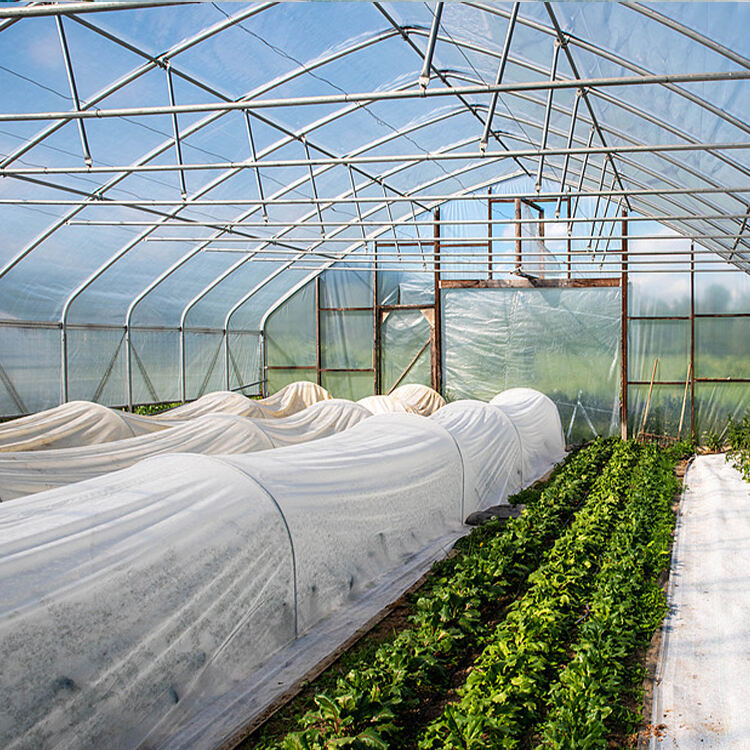
Modern agriculture increasingly relies on innovative materials to enhance crop productivity while maintaining environmental sustainability. Among these materials, UV-stabilized mulch film has emerged as a crucial component for farmers seeking to optimize growing conditions and extend crop seasons. This specialized plastic covering offers superior protection against ultraviolet radiation while providing essential benefits such as moisture retention, weed suppression, and soil temperature regulation. Understanding the selection criteria for UV-stabilized mulch film enables agricultural professionals to make informed decisions that maximize both yield potential and long-term sustainability goals.
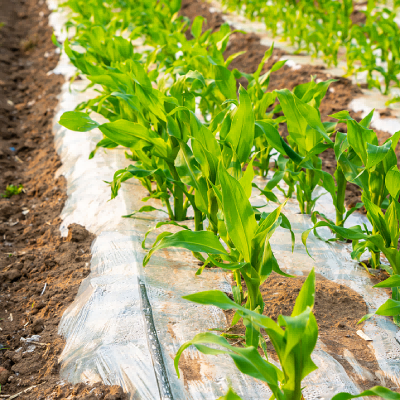
The agricultural sector faces mounting pressure to increase production efficiency while reducing environmental impact. UV-stabilized mulch film represents a technological solution that addresses both challenges simultaneously. These specialized films incorporate ultraviolet stabilizing additives that prevent degradation from solar radiation, extending their functional lifespan significantly compared to conventional plastic mulches. Professional growers recognize that selecting the appropriate UV-stabilized mulch film requires careful consideration of multiple factors including climate conditions, crop requirements, and sustainability objectives.
Understanding UV Stabilization Technology in Agricultural Films
Chemical Composition and Additive Systems
UV-stabilized mulch film incorporates sophisticated chemical additives designed to absorb and dissipate harmful ultraviolet radiation before it can break down the polymer structure. These additives typically include hindered amine light stabilizers (HALS) and UV absorbers that work synergistically to protect the film matrix. The concentration and type of stabilizers directly influence the film's durability and performance characteristics. Professional manufacturers carefully balance these additive systems to achieve optimal protection without compromising other essential properties such as flexibility and optical characteristics.
The polymer base material also plays a crucial role in UV resistance. Linear low-density polyethylene (LLDPE) serves as the primary substrate for most UV-stabilized mulch film applications due to its excellent processability and mechanical properties. Advanced formulations may incorporate additional polymers or copolymers to enhance specific performance attributes. Understanding these material science principles helps agricultural professionals evaluate the technical specifications provided by manufacturers and select films with appropriate UV protection levels for their specific environmental conditions.
Performance Metrics and Durability Standards
Evaluating UV-stabilized mulch film performance requires understanding standardized testing methods and industry benchmarks. Accelerated weathering tests using xenon arc or carbon arc light sources simulate years of outdoor exposure in laboratory conditions. These tests measure retention of mechanical properties such as tensile strength and elongation at break after specified exposure periods. Professional specifications typically require UV-stabilized mulch film to maintain at least 50% of original tensile strength after 1000 hours of accelerated weathering exposure.
Field performance data provides the most reliable indicator of UV stabilization effectiveness under actual growing conditions. Experienced growers document film degradation patterns throughout growing seasons to establish performance baselines for different products and suppliers. This empirical data proves invaluable when selecting UV-stabilized mulch film for challenging environments with high UV exposure levels. Manufacturers with extensive field testing programs typically provide more reliable performance predictions and technical support for specific applications.
Climate Considerations for UV-Stabilized Mulch Film Selection
Regional UV Exposure Patterns
Geographic location significantly influences UV radiation intensity and duration, making regional climate analysis essential for proper UV-stabilized mulch film selection. High-altitude locations experience increased UV exposure due to reduced atmospheric filtering, requiring films with enhanced stabilization packages. Desert and semi-arid regions present extreme UV conditions combined with temperature fluctuations that stress plastic materials. Coastal areas may experience moderated UV levels but increased humidity and salt exposure that affect film performance differently.
Seasonal UV variation patterns also impact selection criteria for UV-stabilized mulch film applications. Spring and summer months typically present peak UV stress conditions, while winter applications may allow for films with reduced stabilization requirements. Multi-season cropping systems require UV-stabilized mulch film capable of maintaining integrity throughout extended exposure periods. Professional growers increasingly rely on UV index monitoring and historical weather data to optimize film selection for specific planting schedules and crop rotations.
Temperature and Weather Resistance
Temperature extremes interact with UV exposure to accelerate degradation processes in plastic mulch materials. High temperatures increase molecular motion and chemical reaction rates, making UV-stabilized mulch film more susceptible to photodegradation. Cold temperatures can cause brittleness and cracking, creating weak points where UV radiation penetrates more easily. Understanding these temperature-UV interactions helps growers select films with appropriate stabilization levels and mechanical properties for their climate conditions.
Wind and precipitation patterns also influence UV-stabilized mulch film performance and selection criteria. High winds create mechanical stress that can initiate tear propagation, especially in UV-degraded areas. Heavy rainfall and hail can puncture films, creating entry points for UV radiation and accelerated degradation. Comprehensive climate assessment considers all these environmental factors to identify UV-stabilized mulch film specifications that provide reliable performance throughout the intended service period.
Crop-Specific Requirements and Application Methods
Soil Temperature Management
Different crops require specific soil temperature ranges for optimal germination and growth, influencing UV-stabilized mulch film color and thickness selection. Clear films maximize solar heating for warm-season crops like tomatoes and peppers, while black films provide moderate warming with excellent weed suppression for cool-season vegetables. Silver or white films reflect excess heat in hot climates while maintaining UV protection. The thermal properties of UV-stabilized mulch film must align with crop temperature requirements throughout the growing season.
Film thickness affects both thermal performance and UV resistance characteristics. Thicker films generally provide better UV protection and mechanical strength but may alter soil heating patterns. Professional growers balance these factors based on specific crop needs and environmental conditions. Root vegetables may benefit from thinner films that allow more precise temperature control, while perennial crops often require thicker UV-stabilized mulch film for extended protection periods.
Installation and Maintenance Considerations
Proper installation techniques maximize the performance potential of UV-stabilized mulch film systems. Soil preparation affects film contact and thermal transfer efficiency, while installation tension influences stress distribution and tear resistance. Mechanical laying equipment requires films with specific handling characteristics to prevent damage during application. Professional installation teams understand these requirements and select UV-stabilized mulch film products that perform reliably with their equipment and techniques.
Maintenance requirements vary significantly among different UV-stabilized mulch film formulations and applications. Some films require periodic inspection and repair to maintain integrity, while others provide maintenance-free performance for entire growing seasons. Understanding these maintenance implications helps growers calculate total cost of ownership and select products that align with their operational capabilities. Advanced UV-stabilized mulch film products may include visual indicators that signal when replacement or maintenance is needed.
Economic Analysis and Return on Investment
Cost-Benefit Evaluation Methods
Comprehensive economic analysis of UV-stabilized mulch film investments considers both direct costs and indirect benefits throughout the production cycle. Initial material costs represent only one component of total system economics. Labor savings from reduced weeding, irrigation efficiency improvements, and extended harvest periods contribute significantly to overall profitability. Professional growers develop detailed cost models that account for all these factors when evaluating different UV-stabilized mulch film options.
Yield improvements and quality enhancements often justify premium pricing for advanced UV-stabilized mulch film products. Higher-quality films that maintain integrity throughout extended growing seasons eliminate replacement costs and labor associated with film failure. Market timing advantages from earlier harvests or extended production periods can generate substantial revenue increases that far exceed additional material costs. Experienced agricultural consultants help growers quantify these benefits and make data-driven selection decisions.
Long-term Sustainability Benefits
Sustainable agriculture practices increasingly influence UV-stabilized mulch film selection criteria as growers seek to minimize environmental impact while maintaining productivity. Durable films that resist UV degradation reduce plastic waste generation and disposal costs. Some advanced formulations incorporate biodegradable components that break down safely in soil environments after their functional lifespan. These sustainability features may command premium pricing but provide long-term benefits for environmentally conscious operations.
Resource conservation benefits of UV-stabilized mulch film extend beyond waste reduction to include water and energy savings. Improved moisture retention reduces irrigation requirements, while soil temperature modification can decrease heating and cooling energy consumption in protected cultivation systems. Carbon footprint reduction through decreased fuel consumption and chemical inputs contributes to overall sustainability goals. Professional sustainability assessments help quantify these benefits for operations pursuing environmental certification or carbon credit programs.
Quality Standards and Supplier Evaluation
Industry Certifications and Testing Protocols
Professional evaluation of UV-stabilized mulch film suppliers requires understanding relevant industry standards and certification programs. ASTM and ISO testing protocols provide standardized methods for measuring UV resistance, mechanical properties, and environmental performance. Suppliers with comprehensive testing capabilities typically provide more reliable performance data and technical support. Third-party certification programs validate manufacturer claims and provide independent verification of product quality standards.
Quality control processes at manufacturing facilities directly impact UV-stabilized mulch film consistency and reliability. Advanced manufacturers implement statistical process control systems that monitor additive concentrations, film thickness uniformity, and mechanical properties throughout production runs. Suppliers with robust quality systems typically offer performance guarantees and technical support services that reduce risk for agricultural users. Understanding these quality indicators helps growers identify suppliers capable of delivering consistent performance.
Technical Support and Service Capabilities
Comprehensive technical support distinguishes professional UV-stabilized mulch film suppliers from commodity producers. Expert technical staff provide application guidance, troubleshooting support, and performance optimization recommendations based on specific growing conditions. Field testing programs allow suppliers to validate product performance under actual use conditions and develop application guidelines for different crops and climates. This technical expertise proves invaluable for growers implementing new UV-stabilized mulch film systems or optimizing existing applications.
Service capabilities including logistics, inventory management, and emergency supply provisions affect overall supplier value propositions. Reliable delivery schedules ensure UV-stabilized mulch film availability when needed for time-critical planting operations. Flexible packaging options and custom product development services accommodate specific operational requirements. Experienced suppliers understand agricultural seasonality and maintain appropriate inventory levels to support customer needs throughout peak demand periods.
FAQ
How long does UV-stabilized mulch film typically last in field conditions
UV-stabilized mulch film durability varies significantly based on UV exposure intensity, climate conditions, and product quality. High-quality UV-stabilized mulch film typically maintains functional integrity for 12-18 months under moderate UV exposure conditions. In extreme environments with intense UV radiation and temperature fluctuations, service life may reduce to 8-12 months. Premium formulations with advanced stabilization packages can provide reliable performance for 24 months or longer in favorable conditions. Professional growers should evaluate historical performance data and conduct small-scale trials to establish realistic lifespan expectations for their specific conditions.
What thickness of UV-stabilized mulch film provides optimal performance
Optimal UV-stabilized mulch film thickness depends on application requirements, crop type, and environmental conditions. Standard agricultural applications typically use films ranging from 0.8 to 1.5 mils thickness. Thicker films provide better puncture resistance and UV protection but may reduce soil heating efficiency. Thin films offer superior conformability and thermal transfer but require more careful handling during installation. Most professional applications achieve optimal performance with 1.0-1.2 mil thickness UV-stabilized mulch film that balances durability, functionality, and cost considerations.
Can UV-stabilized mulch film be recycled or disposed of safely
Recycling options for UV-stabilized mulch film depend on local infrastructure and contamination levels. Clean films can often be recycled through specialized plastic film recycling programs, though UV stabilizer additives may limit recycling stream compatibility. Many regions lack adequate recycling infrastructure for agricultural films, making proper disposal important for environmental protection. Some manufacturers offer take-back programs for used films, while biodegradable UV-stabilized mulch film options provide soil-safe disposal alternatives. Professional waste management consultation helps growers develop appropriate disposal strategies for their specific situations.
How do I determine the correct UV stabilization level for my growing region
Determining appropriate UV stabilization levels requires analyzing local UV exposure data, historical weather patterns, and crop production schedules. UV index measurements and solar radiation data provide baseline exposure information for different seasons and geographic locations. Agricultural extension services often maintain historical weather databases that help predict UV stress conditions. Professional growers should consult with UV-stabilized mulch film manufacturers who maintain regional performance databases and can recommend appropriate stabilization levels based on specific location and application requirements. Field trials with different stabilization levels provide the most reliable performance data for long-term selection decisions.