
 EN
EN
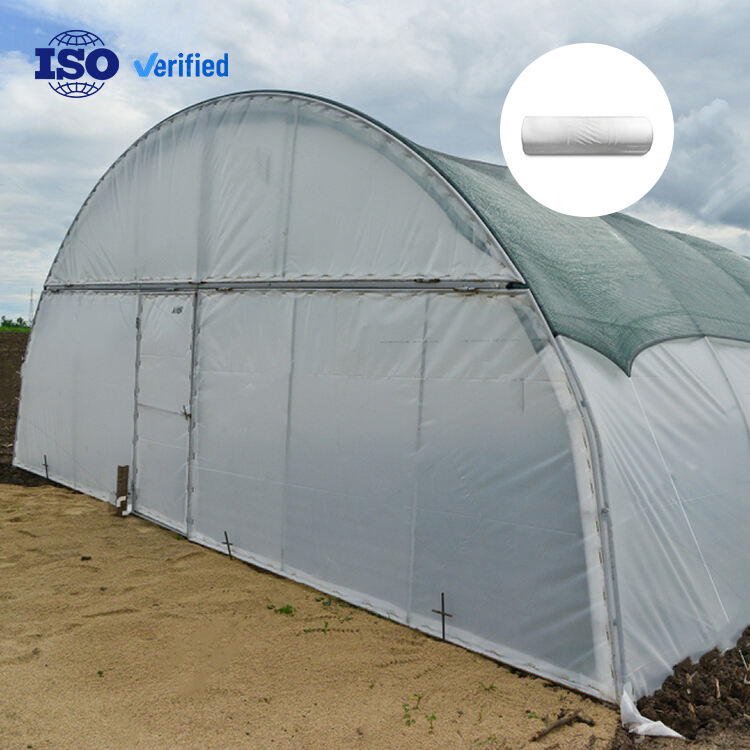
Modern agriculture faces increasing challenges from unpredictable weather patterns, climate change, and the growing demand for consistent crop production throughout the year. The solution lies in controlled environment agriculture, where greenhouse film plays a pivotal role in creating optimal growing conditions regardless of external weather fluctuations. High-quality greenhouse film serves as the protective barrier that enables farmers to maintain precise environmental control, ensuring crop success and maximizing yields across all seasons. This protective covering technology has revolutionized farming practices, allowing agricultural operations to extend growing seasons and produce fresh crops even during harsh winter months.
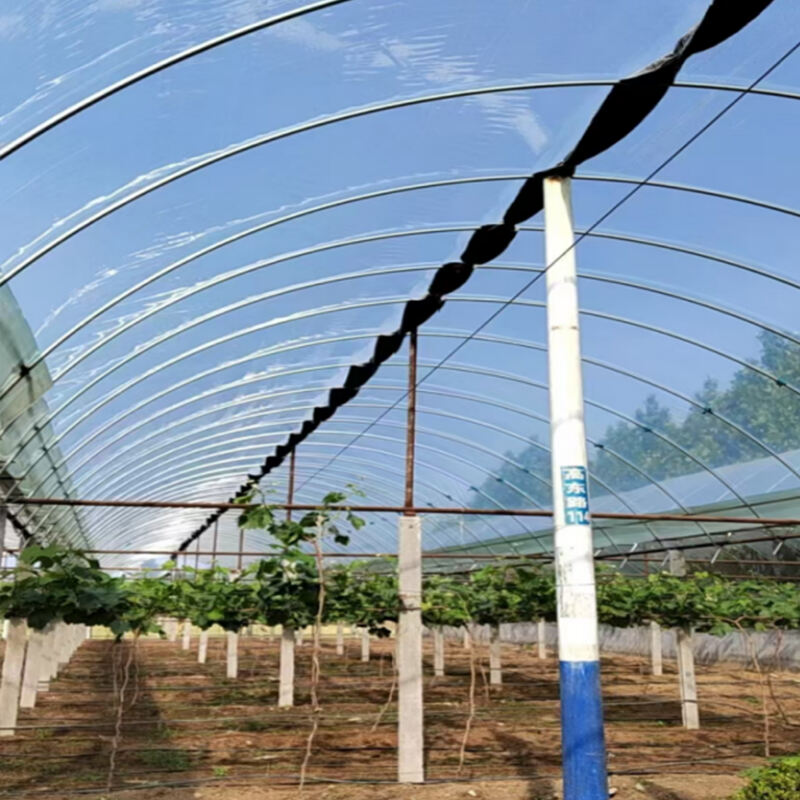
Essential Properties of Superior Greenhouse Film Technology
Light Transmission and Optical Clarity
The optical properties of greenhouse film directly impact photosynthetic efficiency and plant growth rates. Premium greenhouse film materials are engineered to maximize light transmission while filtering harmful UV radiation that can damage crops. Advanced polyethylene formulations achieve light transmission rates exceeding 90%, ensuring plants receive adequate photosynthetically active radiation for optimal growth. The clarity and transparency of the film prevent light diffusion losses that commonly occur with inferior materials, maintaining consistent light levels throughout the growing space.
Furthermore, modern greenhouse film incorporates anti-condensate additives that prevent water droplet formation on the interior surface. These droplets can significantly reduce light transmission and create hotspots that damage sensitive plant tissues. The anti-drip properties maintain uniform light distribution and prevent water from dripping onto plants, reducing disease pressure and maintaining optimal growing conditions.
Thermal Regulation and Insulation Performance
Temperature control represents one of the most critical functions of greenhouse film in year-round farming operations. Quality greenhouse film provides excellent thermal insulation properties that minimize heat loss during cold periods while preventing excessive heat buildup during warm weather. Multi-layer construction techniques create air pockets that enhance insulation value, reducing heating costs by up to 40% compared to single-layer alternatives.
The thermal properties of greenhouse film also contribute to maintaining stable nighttime temperatures, which is crucial for many crops sensitive to temperature fluctuations. Infrared-blocking additives help retain heat generated during daylight hours, creating a thermal battery effect that moderates temperature swings and protects plants from frost damage.
Durability and Weather Resistance Characteristics
UV Stabilization and Longevity
Professional-grade greenhouse film incorporates UV stabilizers that prevent polymer degradation caused by prolonged sun exposure. These additives extend the functional lifespan of the film to 4-6 years under normal operating conditions, providing excellent return on investment for farming operations. Without proper UV stabilization, standard plastic films deteriorate rapidly, becoming brittle and losing their optical and mechanical properties within months of installation.
The UV stabilization technology also maintains the film's flexibility and tear resistance throughout its service life. This durability ensures consistent performance even under extreme weather conditions, including high winds, hail, and temperature extremes that would quickly compromise inferior materials.
Mechanical Strength and Impact Resistance
High-quality greenhouse film demonstrates superior tensile strength and puncture resistance, essential for withstanding installation stress and environmental challenges. Advanced polymer blends create films that resist tearing during installation and maintain structural integrity under wind loads and snow accumulation. The mechanical properties are carefully balanced to provide flexibility for thermal expansion while maintaining sufficient strength to support the greenhouse structure.
Impact resistance becomes particularly important in regions prone to hailstorms or debris from high winds. Premium greenhouse film formulations incorporate impact modifiers that absorb energy from impacts without creating holes or cracks that compromise the controlled environment.
Economic Benefits and Cost Optimization
Energy Efficiency and Heating Cost Reduction
The insulation properties of quality greenhouse film directly translate to significant energy savings throughout the growing season. Improved thermal performance reduces heating requirements during cold months, often resulting in 30-50% lower fuel consumption compared to operations using standard covering materials. These energy savings compound over multiple seasons, making the initial investment in premium greenhouse film highly cost-effective.
Additionally, the consistent temperature control provided by superior greenhouse film reduces the need for supplemental heating systems and complex climate control equipment. This simplification of environmental control systems reduces both initial capital costs and ongoing maintenance expenses, improving the overall profitability of greenhouse operations.
Yield Enhancement and Crop Quality Improvement
Optimal growing conditions created by high-performance greenhouse film result in measurably higher crop yields and improved product quality. The stable environment promotes consistent growth rates, reduces plant stress, and minimizes crop losses due to weather-related damage. Many growers report yield increases of 20-40% when upgrading to premium greenhouse film systems compared to unprotected outdoor cultivation.
The improved crop quality extends shelf life and market value, particularly important for premium produce markets. Consistent growing conditions eliminate blemishes and defects caused by environmental stress, resulting in higher-grade products that command premium prices in competitive markets.
Installation and Maintenance Considerations
Proper Installation Techniques
Successful greenhouse film performance depends heavily on correct installation procedures that maximize the material's beneficial properties. Proper tensioning prevents sagging and pooling that can damage the film and create maintenance issues. Installation should be performed during moderate weather conditions to ensure optimal fit and avoid thermal stress during the securing process.
Attention to edge sealing and attachment methods prevents air infiltration that compromises climate control effectiveness. Quality greenhouse film requires specialized fastening systems that distribute stress evenly and accommodate thermal expansion without creating stress concentration points that could lead to failure.
Maintenance and Performance Monitoring
Regular maintenance ensures greenhouse film continues to perform optimally throughout its service life. Routine cleaning removes dust and debris that can reduce light transmission, while periodic inspections identify potential issues before they compromise the growing environment. Proper maintenance practices can extend film life by 1-2 years beyond normal expectations.
Performance monitoring includes tracking energy consumption, temperature stability, and crop performance metrics that indicate film effectiveness. These measurements help optimize growing conditions and determine the optimal replacement timing to maintain peak operational efficiency.
Environmental Impact and Sustainability
Recyclability and Waste Reduction
Modern greenhouse film formulations prioritize environmental responsibility through improved recyclability and extended service life. Many manufacturers now offer take-back programs that ensure proper recycling of used greenhouse film, preventing agricultural plastic waste from entering landfills or natural environments.
The extended lifespan of quality greenhouse film reduces replacement frequency, minimizing overall material consumption and waste generation. This sustainability aspect becomes increasingly important as agricultural operations face growing environmental regulations and consumer pressure for sustainable farming practices.
Resource Conservation Benefits
Effective greenhouse film enables more efficient use of water, fertilizer, and other agricultural inputs through improved environmental control. The protected growing environment reduces irrigation requirements by minimizing evaporation and wind-induced water loss. Nutrient management becomes more precise when environmental variables are controlled, reducing fertilizer waste and potential environmental contamination.
Year-round production capability also maximizes land use efficiency, allowing smaller areas to produce equivalent yields to much larger outdoor operations. This land use efficiency becomes crucial as available agricultural land decreases and urban development pressures increase worldwide.
FAQ
How long does quality greenhouse film typically last
Professional-grade greenhouse film with proper UV stabilization typically lasts 4-6 years under normal operating conditions. The actual lifespan depends on factors such as geographic location, UV exposure intensity, installation quality, and maintenance practices. Films with superior UV stabilizers and anti-aging additives may perform effectively for up to 8 years in some applications.
What thickness of greenhouse film provides optimal performance
Most greenhouse operations achieve the best balance of durability, light transmission, and cost-effectiveness with greenhouse film thickness between 150-200 microns (6-8 mil). Thicker films provide better insulation and durability but may reduce light transmission slightly. Thinner films offer excellent light transmission but may sacrifice longevity and weather resistance in challenging climates.
Can greenhouse film be repaired if damaged
Minor tears and punctures in greenhouse film can be effectively repaired using specialized greenhouse tape or patch materials designed for agricultural applications. However, extensive damage or degradation typically requires complete replacement to maintain optimal growing conditions. Temporary repairs should be performed promptly to prevent expansion of damage and maintain climate control effectiveness.
How does greenhouse film compare to rigid glazing materials
Greenhouse film offers several advantages over rigid materials including lower initial cost, easier installation and replacement, and superior impact resistance. While rigid glazing may offer longer lifespan and slightly better insulation properties, greenhouse film provides excellent performance at a fraction of the cost and can be more easily modified or replaced as farming needs change.