
 EN
EN
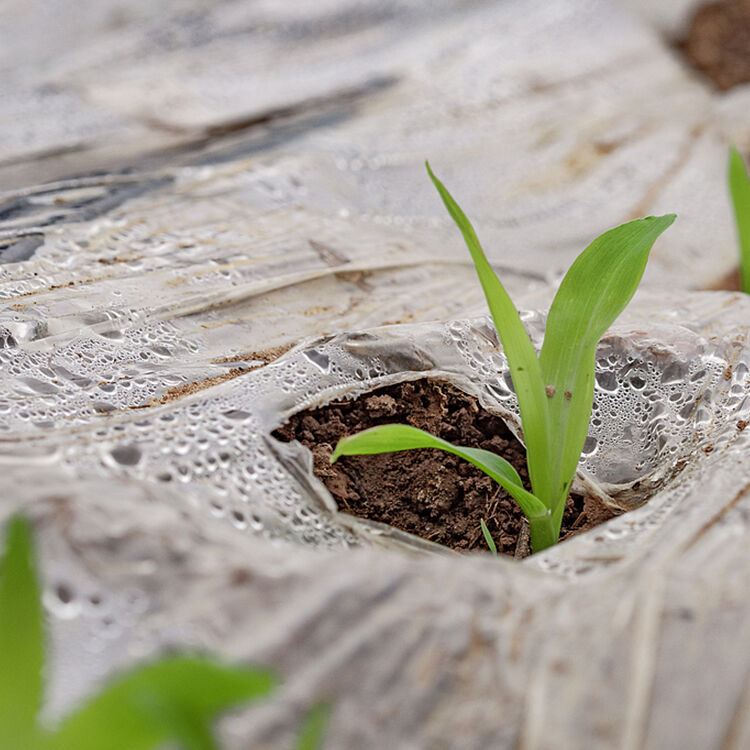
Agricultural productivity in arid regions faces unprecedented challenges as water scarcity and extreme temperatures continue to impact crop yields worldwide. Farmers in these challenging environments are increasingly turning to innovative solutions that can maximize their harvests while conserving precious water resources. Among the most promising technologies emerging in modern agriculture is customized mulch film, which offers tailored solutions for specific crop types and environmental conditions.
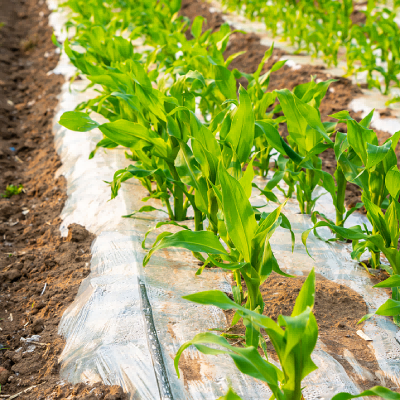
The application of customized mulch film in arid agriculture represents a significant advancement over traditional farming methods. Unlike standard mulching materials, these specialized films are engineered to address the unique challenges presented by dry climates, including excessive evaporation, temperature fluctuations, and soil moisture retention. Research conducted across various arid regions has demonstrated that properly implemented mulch film systems can increase crop yields by 20-40% while reducing water consumption by up to 30%.
The effectiveness of customized mulch film lies in its ability to create optimal growing conditions beneath the surface. By forming a protective barrier over the soil, these films regulate temperature, prevent moisture loss, and suppress weed growth that would otherwise compete with crops for limited water resources. The customization aspect allows farmers to select films with specific properties such as color, thickness, and permeability that best suit their particular crops and local climate conditions.
Understanding the Science Behind Customized Mulch Film Technology
Material Composition and Engineering
Modern customized mulch film utilizes advanced polymer technology to create films with precise characteristics tailored to specific agricultural applications. The base materials typically consist of polyethylene or biodegradable polymers that are formulated to provide optimal durability while maintaining environmental compatibility. These materials undergo specialized treatment processes that enhance their UV resistance, thermal stability, and mechanical strength to withstand the harsh conditions commonly found in arid regions.
The engineering process behind customized mulch film involves careful consideration of multiple factors including local climate data, soil types, and crop requirements. Manufacturers utilize sophisticated modeling techniques to determine the optimal thickness, typically ranging from 12 to 25 microns, depending on the intended application. The film's surface properties are also carefully designed, with some variants featuring micro-perforations that allow controlled gas exchange while maintaining moisture retention capabilities.
Color Technology and Light Management
The color selection in customized mulch film plays a crucial role in its effectiveness for arid region agriculture. Black films excel at absorbing solar energy and warming the soil, which can be beneficial for extending growing seasons in regions with cooler nights. Clear films allow maximum light penetration while providing moisture retention, making them ideal for light-sensitive crops. Silver and reflective films help reduce soil temperature by reflecting excess heat, which is particularly valuable in extremely hot climates.
Recent innovations in customized mulch film technology have introduced dual-colored films that provide different benefits on each side. These films typically feature a reflective upper surface to manage heat while maintaining a darker lower surface to suppress weeds effectively. This dual-functionality approach represents a significant advancement in mulch film design, allowing farmers to optimize both temperature control and weed management simultaneously.
Water Conservation and Moisture Management Benefits
Evaporation Reduction Mechanisms
One of the primary advantages of implementing customized mulch film in arid agriculture is its remarkable ability to reduce water evaporation from the soil surface. Studies have shown that properly installed mulch films can reduce evaporation rates by 70-90% compared to bare soil conditions. This dramatic reduction in water loss allows farmers to maintain adequate soil moisture levels with significantly less irrigation input, making agriculture more sustainable in water-scarce regions.
The moisture conservation properties of customized mulch film work through multiple mechanisms. The physical barrier prevents direct contact between soil and atmosphere, eliminating the primary pathway for evaporative water loss. Additionally, the film creates a microclimate beneath its surface where humidity levels remain higher, further reducing the driving force for evaporation. This enhanced moisture retention translates directly into improved crop performance and reduced irrigation requirements.
Soil Temperature Regulation
Temperature management is another critical benefit provided by customized mulch film systems in arid regions. Soil temperature fluctuations can be extreme in desert and semi-desert environments, with surface temperatures often exceeding 60°C during the day and dropping significantly at night. These temperature swings can stress plants and negatively impact root development and nutrient uptake.
Customized mulch film helps moderate these temperature extremes by providing thermal insulation and heat management. During hot days, reflective films can reduce soil temperature by 5-10°C, while during cooler periods, the film acts as an insulating layer that helps maintain soil warmth. This temperature buffering effect creates more stable growing conditions that promote consistent plant growth and improved yields throughout the growing season.
Crop-Specific Applications and Yield Improvements
Vegetable Production Enhancement
Vegetable crops grown in arid regions show particularly impressive responses to customized mulch film applications. Tomatoes, peppers, and cucumbers have demonstrated yield increases of 25-50% when grown with appropriately selected mulch films. The improved growing conditions created by the film allow these crops to maintain consistent growth rates despite challenging environmental conditions, resulting in larger harvests and improved fruit quality.
The customization aspect becomes especially important for vegetable production, as different crops have varying requirements for soil temperature, moisture levels, and light conditions. Customized mulch film systems can be tailored to provide optimal conditions for specific vegetable varieties, taking into account factors such as root depth, growth habit, and harvest timing to maximize productivity.
Fruit Tree and Orchard Applications
Fruit trees and orchard crops also benefit significantly from customized mulch film applications, though the implementation approach differs from annual crop systems. In orchard settings, mulch films are typically applied in strips along tree rows, providing moisture conservation and weed control in the root zone while leaving pathways clear for equipment access and maintenance activities.
The long-term nature of orchard investments makes the durability and customization aspects of mulch film particularly important. Films designed for orchard use must withstand multiple growing seasons while maintaining their beneficial properties. Customized formulations for orchard applications often include enhanced UV stabilizers and increased thickness to ensure multi-year performance in harsh arid conditions.
Economic Benefits and Return on Investment
Cost-Benefit Analysis
The economic advantages of implementing customized mulch film systems in arid agriculture extend beyond simple yield improvements. While the initial investment in quality mulch film represents a significant cost, the return on investment typically justifies the expense through multiple benefit streams. Reduced irrigation requirements can decrease water costs by 20-40%, while improved yields directly increase revenue potential.
Labor cost reductions also contribute to the economic benefits of customized mulch film systems. The weed suppression properties of mulch films can eliminate or significantly reduce the need for mechanical cultivation and herbicide applications, reducing both labor requirements and input costs. Additionally, the improved growing conditions often result in more uniform crop maturation, which can reduce harvesting costs and improve market timing.
Long-term Sustainability Advantages
The sustainability benefits of customized mulch film contribute to long-term economic advantages that extend beyond individual growing seasons. Improved soil health resulting from reduced erosion and better moisture management can enhance land productivity over time. The reduced need for irrigation helps preserve water resources for future use, which is particularly valuable in regions where water rights are becoming increasingly expensive or scarce.
Modern biodegradable customized mulch film options also eliminate disposal costs and environmental concerns associated with traditional plastic films. These materials break down naturally in the soil after serving their agricultural purpose, reducing waste management expenses while maintaining the beneficial properties needed for crop production.
Installation and Best Practices
Proper Installation Techniques
Successful implementation of customized mulch film systems requires careful attention to installation techniques and timing. The soil should be properly prepared before film installation, with adequate moisture content and smooth surface conditions to ensure proper contact between the film and soil. Installation timing is critical, as the film should be placed when soil conditions are optimal for the intended crop.
Professional installation equipment designed specifically for customized mulch film can significantly improve the quality and efficiency of the installation process. These machines ensure proper film tension, adequate soil contact, and precise spacing for drip irrigation systems or planting holes. Proper installation techniques can improve the effectiveness of the mulch film system by 15-25% compared to manual installation methods.
Maintenance and Monitoring
Regular monitoring and maintenance of customized mulch film systems ensure optimal performance throughout the growing season. Periodic inspections should check for tears, displacement, or degradation that could compromise the film's effectiveness. Prompt repair of minor damage can prevent larger problems that might require extensive film replacement.
Monitoring soil conditions beneath the customized mulch film helps farmers optimize irrigation scheduling and identify any issues with moisture distribution or soil health. Soil temperature and moisture sensors can be installed beneath the film to provide real-time data that guides management decisions and maximizes the benefits of the mulch film system.
Environmental Considerations and Sustainability
Ecological Impact Assessment
The environmental impact of customized mulch film systems in arid agriculture must be carefully evaluated to ensure sustainable farming practices. Traditional plastic films can create waste management challenges, but modern biodegradable options address these concerns while maintaining performance benefits. The reduced need for tillage and herbicide applications associated with mulch film use can also provide environmental benefits by reducing soil erosion and chemical inputs.
Water conservation benefits of customized mulch film systems contribute positively to environmental sustainability in water-stressed regions. The significant reduction in irrigation requirements helps preserve groundwater resources and reduces the energy consumption associated with water pumping and distribution systems. These environmental benefits align with broader sustainability goals while supporting agricultural productivity.
Future Innovations and Developments
Ongoing research and development in customized mulch film technology continues to advance the sustainability and effectiveness of these systems. Smart films incorporating sensor technology can provide real-time monitoring of soil conditions and automatically adjust their properties in response to changing environmental conditions. These innovations represent the next generation of precision agriculture tools that will further improve the efficiency of arid region farming.
Advances in biodegradable polymer technology are also expanding the options available for environmentally conscious farmers. New formulations provide improved durability and performance while ensuring complete biodegradation within specified timeframes. These developments address environmental concerns while maintaining the agricultural benefits that make customized mulch film an attractive option for arid region farming.
FAQ
How long does customized mulch film typically last in arid conditions
Customized mulch film durability in arid conditions depends on the specific formulation and environmental factors. Standard films typically last one full growing season, while heavy-duty formulations designed for multiple seasons can maintain effectiveness for 2-3 years. UV stabilizers and thickness are key factors that determine longevity in harsh arid environments.
What is the optimal thickness for customized mulch film in desert agriculture
The optimal thickness for customized mulch film in desert agriculture typically ranges from 15-25 microns, depending on the specific application. Thinner films of 12-15 microns work well for annual crops with careful handling, while perennial crops and harsh conditions may require 20-25 micron films for adequate durability and performance.
Can customized mulch film be used with drip irrigation systems
Customized mulch film is highly compatible with drip irrigation systems and often enhances their effectiveness. The film can be installed over drip lines or perforated to accommodate emitters, creating an integrated system that maximizes water efficiency. This combination typically provides the best results for crop yield and water conservation in arid regions.
What color customized mulch film works best for extremely hot climates
For extremely hot climates, reflective silver or white customized mulch film typically provides the best performance by reflecting excess solar radiation and reducing soil temperature. These colors can lower soil temperature by 8-12°C compared to black films, which is particularly beneficial for heat-sensitive crops in desert environments.