
 EN
EN
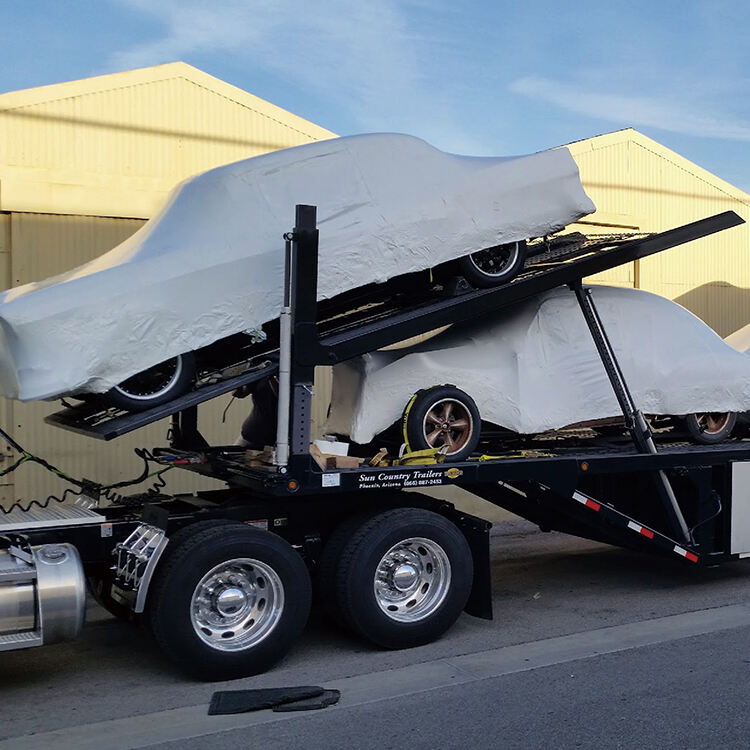
Master the Art of Professional Pallet Protection with Advanced Shrink Wrapping
When it comes to protecting valuable shipments and stored goods, mastering the proper application of shrink film can make all the difference between secure, moisture-free pallets and compromised products. The key lies not just in the wrapping technique, but in understanding how shrink film behaves under different conditions and tensions. This comprehensive guide will walk you through the professional methods that ensure your pallets remain protected against environmental factors while optimizing your wrapping time and material usage.
Today's industrial packaging demands have evolved beyond simple containment - they require solutions that offer superior protection while maintaining efficiency. Modern shrink film technology has risen to meet these challenges, providing robust barrier properties when properly applied. By following the techniques outlined in this guide, you'll be able to achieve professional-grade pallet protection in just three minutes, saving both time and resources.
Essential Equipment and Material Preparation
Selecting the Right Shrink Film Grade
The foundation of successful pallet wrapping begins with choosing the appropriate shrink film for your specific needs. Industrial-grade shrink film comes in various thicknesses, typically ranging from 60 to 150 gauge. For standard pallet loads, an 80-gauge shrink film usually provides the optimal balance between strength and cost-effectiveness. However, heavier loads or those requiring extra protection may benefit from 100-gauge or higher materials.
Consider the environmental conditions your pallets will face during storage and transport. High-performance shrink film with enhanced UV protection is essential for outdoor storage, while anti-static properties might be crucial for electronic components. The film's clarity also matters - clear shrink film allows for easy identification and scanning of products through the wrap.
Setting Up Your Wrapping Station
A well-organized wrapping station significantly impacts your efficiency and the quality of the final wrap. Position your heat gun or shrink wrap system at a comfortable working height, ensuring adequate ventilation and clear access around all sides of the pallet. Keep essential tools within arm's reach, including:
- Heat gun with adjustable temperature settings - Safety gloves and protective eyewear - Cutting tool for precise film trimming - Temperature gauge for monitoring heat application - Clean, flat surface for film preparation
Mastering the Three-Minute Wrapping Technique
Initial Film Application and Tension Control
The success of your shrink wrap application heavily depends on maintaining proper tension during the initial wrap. Start by securing the shrink film at the base of the pallet, ensuring it extends slightly beneath the pallet edge for a complete seal. Apply the film with consistent tension, typically stretching it to about 50% of its capacity - this allows for proper shrinkage during heating while preventing film failure.
Work your way up the pallet in a spiral pattern, overlapping each layer by approximately 50%. This overlap creates a stronger barrier and ensures no gaps remain in the coverage. Pay special attention to corners and edges, as these areas are most susceptible to tears and punctures.
Heat Application and Shrinking Patterns
Proper heat application is crucial for achieving a tight, professional finish. Maintain a consistent distance of 8-12 inches between the heat gun and shrink film surface, moving in steady, overlapping patterns. Begin heating from the bottom and work upward, ensuring even shrinkage throughout. The film should respond uniformly to the heat, creating a drum-tight surface without burning or creating holes.
Focus extra attention on corners and edges, where the film needs to conform to sharp angles. These areas may require slightly more heat but be careful not to overheat, which can lead to weak spots or tears. The film should appear glossy and smooth when properly heated, without any wrinkles or loose areas.
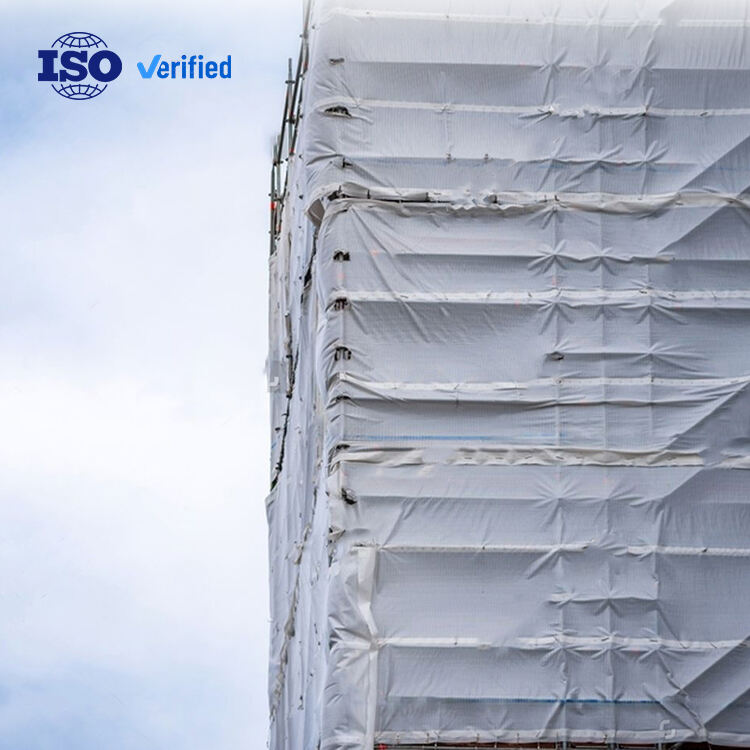
Advanced Sealing Techniques for Maximum Protection
Creating Moisture-Proof Barriers
To effectively seal out moisture, focus on creating complete closure at the top and bottom of the pallet. Use the heat gun to create a slight curl under the bottom edge of the film, forming a moisture barrier. At the top, fold and heat-seal any excess film to create a watertight cap. This double-sealing technique ensures protection against both ground moisture and overhead precipitation.
For additional moisture protection, consider incorporating desiccant packets at strategic points within the wrap, especially for moisture-sensitive goods. The shrink film's tight seal will maintain the effectiveness of these moisture-absorbing materials throughout the storage period.
Dust and Contamination Prevention
Preventing dust infiltration requires attention to detail during the sealing process. Create multiple layers of protection at critical points, such as corners and edges, where dust is most likely to penetrate. The shrink film should be heated until it forms a complete seal against the pallet structure, leaving no gaps or loose areas where contamination could enter.
Consider applying additional reinforcement strips at high-stress points or areas where the pallet might contact other surfaces during transport. This extra protection helps maintain the integrity of the dust barrier even under challenging conditions.
Quality Control and Troubleshooting
Inspecting the Final Wrap
After completing the wrapping process, conduct a thorough inspection of the entire pallet. Look for any signs of improper shrinkage, such as loose areas, wrinkles, or burn marks. The surface should be uniformly tight and smooth, with no visible gaps in coverage. Pay particular attention to corners and edges, ensuring they are properly sealed and reinforced.
Use your hands to feel for any cold spots or areas where the film hasn't fully shrunk. These areas might indicate insufficient heat application and could compromise the protection of your goods. Address any issues immediately by carefully reheating problem areas.
Common Problems and Solutions
Even experienced professionals occasionally encounter challenges with shrink film application. Common issues include uneven shrinkage, holes or tears, and poor sealing at edges. Most problems can be traced to either incorrect temperature settings, inconsistent film tension, or improper heating patterns. Maintain detailed records of successful applications to establish baseline parameters for different load types.
If you notice consistent issues with particular products or pallet configurations, consider adjusting your technique or exploring different shrink film grades that might better suit your specific needs. Regular equipment maintenance and calibration also play crucial roles in achieving consistent results.
Frequently Asked Questions
What temperature should I set my heat gun for optimal shrink film application?
The ideal temperature setting typically ranges between 300°F and 350°F (149°C to 177°C) for most industrial shrink films. However, always consult your specific film manufacturer's recommendations, as different film formulations may require different temperature ranges for optimal results.
How can I prevent holes and tears during the shrinking process?
To prevent damage during shrinking, maintain consistent heat gun movement, avoid dwelling too long in one spot, and ensure proper initial film tension. Always start with clean, sharp edges on the pallet to prevent punctures, and consider using corner protectors on sharp edges.
What causes cloudy or opaque areas in my shrink film wrap?
Cloudy or opaque areas typically indicate uneven heating or cooling of the shrink film. This can be caused by inconsistent heat application, drafts during the cooling process, or applying too much tension during the initial wrap. Maintain steady heating patterns and protect the wrapping area from strong air currents to achieve clear, professional results.