
 EN
EN
Manufacturing and packaging professionals understand that selecting the right protective film material can make or break product integrity during storage and transportation. When evaluating packaging solutions for various applications, testing becomes essential to ensure optimal performance characteristics meet specific operational requirements. Modern sample programs allow businesses to evaluate material properties without significant upfront investment, providing valuable insights into strength, clarity, and sealing capabilities before committing to large-scale purchases.

Understanding Material Properties and Performance Characteristics
Clarity and Transparency Standards
Visual presentation plays a crucial role in consumer appeal and product identification across retail environments. High-quality packaging films must maintain excellent optical properties while providing robust protection against environmental factors. Transparency levels directly impact product visibility, allowing customers to inspect contents without compromising protective barriers.
Advanced manufacturing processes enable producers to achieve superior clarity ratings while maintaining structural integrity. Material thickness variations can affect transparency, requiring careful balance between protection levels and visual quality. Industry standards typically measure haze percentages and light transmission rates to quantify optical performance across different film grades.
Strength and Durability Testing
Mechanical properties determine how effectively packaging materials withstand various stress conditions during handling and distribution. Tensile strength measurements indicate resistance to stretching forces, while puncture resistance evaluates protection against sharp objects. These characteristics directly influence product safety and minimize damage-related losses throughout supply chains.
Temperature variations can significantly impact material performance, making thermal stability testing essential for applications involving extreme conditions. Elongation properties affect how materials respond to expansion and contraction cycles, particularly important for products experiencing temperature fluctuations during storage or transportation. Comprehensive testing protocols evaluate multiple stress scenarios to ensure reliable performance across diverse operating environments.
Sealing Technology and Heat Activation
Heat Sealing Mechanisms
Effective sealing requires precise temperature control and timing to achieve optimal bond strength without compromising material integrity. Different polymer formulations respond uniquely to heat activation, necessitating specific parameter adjustments for consistent results. Understanding activation temperatures helps operators optimize equipment settings for maximum efficiency and seal quality.
Sealing equipment compatibility varies across different film types, requiring consideration of heat distribution patterns and contact pressure requirements. Advanced sealing systems incorporate temperature monitoring and feedback controls to maintain consistent conditions throughout production runs. Proper heat management prevents overheating damage while ensuring adequate bond formation across sealed areas.
Quality Assurance and Seal Integrity
Seal strength testing validates packaging integrity under various stress conditions, including internal pressure, external forces, and environmental exposure. Leak detection methods identify potential failure points before products reach end users, preventing contamination and quality issues. Regular testing protocols ensure consistent performance standards across production batches.
Peeling resistance measurements evaluate how well sealed areas maintain integrity under separation forces. These tests simulate real-world handling conditions and help predict packaging performance during distribution and storage. Quality control systems incorporate multiple testing parameters to validate seal effectiveness and identify optimization opportunities.
Application-Specific Requirements and Customization
Industry-Specific Performance Needs
Food packaging applications require materials meeting strict safety standards while maintaining freshness and preventing contamination. Pharmaceutical products demand high barrier properties and compatibility with sterilization processes. Industrial applications may prioritize puncture resistance and chemical compatibility over optical properties, requiring different material formulations.
Electronics packaging requires anti-static properties and moisture barrier characteristics to protect sensitive components during storage and shipment. Automotive applications need materials resistant to temperature extremes and chemical exposure. Each industry segment presents unique challenges requiring specialized material properties and performance characteristics.
Customization Options and Specifications
Modern manufacturing capabilities enable extensive customization options including thickness variations, additive incorporation, and surface treatments. Color additives can provide brand identification while maintaining protection properties. UV stabilizers extend outdoor exposure capabilities, while anti-fog treatments improve optical clarity in high-humidity environments.
Specialized formulations address specific application requirements through targeted property enhancement. Multi-layer constructions combine different materials to achieve optimal performance profiles not possible with single-layer films. Advanced processing techniques enable precise control over material characteristics throughout manufacturing processes.
Sample Program Benefits and Testing Procedures
Risk-Free Evaluation Process
Comprehensive sample programs eliminate financial risk associated with material selection decisions by providing actual product samples for hands-on evaluation. Testing under real operating conditions reveals performance characteristics not apparent through specification sheets alone. This approach enables informed decision-making based on empirical data rather than theoretical projections.
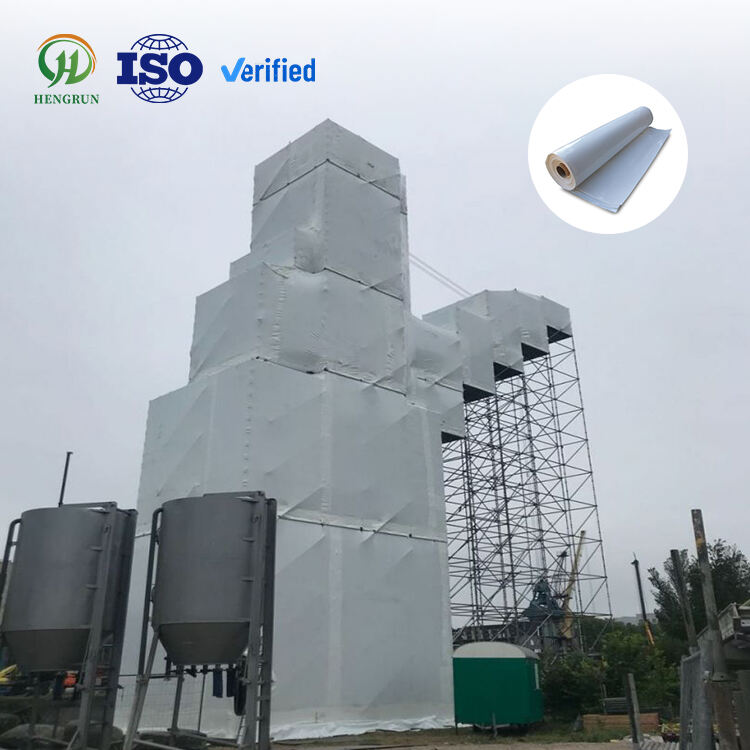
Sample quantities allow thorough evaluation across multiple test scenarios without significant material costs. Companies can assess compatibility with existing equipment and processes before committing to large purchases. shrink film samples enable validation of sealing parameters and performance under actual production conditions.
Performance Validation Methods
Systematic testing protocols evaluate key performance metrics including clarity measurements, strength testing, and seal quality assessment. Standardized test methods ensure consistent evaluation criteria across different material options. Documentation of test results provides objective comparison data for decision-making processes.
Real-world application testing validates laboratory results under actual operating conditions. Extended exposure tests evaluate long-term performance and stability characteristics. Accelerated aging protocols predict material behavior over extended storage periods, helping ensure consistent quality throughout product lifecycles.
Economic Considerations and Value Analysis
Cost-Benefit Evaluation Framework
Material costs represent only one component of total packaging expenses, with performance-related factors significantly impacting overall economics. Reduced damage rates and improved product protection can offset higher material costs through decreased replacement expenses. Efficient processing characteristics may reduce labor and energy requirements, providing additional cost savings.
Waste reduction through improved yield rates and fewer defects contributes to overall cost effectiveness. Enhanced shelf life and product quality can increase market value and customer satisfaction. Long-term economic analysis should consider all cost factors including processing efficiency, waste reduction, and quality improvements.
Return on Investment Calculations
Quantifying performance improvements enables accurate ROI calculations for material upgrade decisions. Reduced claim rates and improved customer satisfaction translate into measurable financial benefits. Processing efficiency gains through better material handling characteristics can reduce operational costs significantly.
Total cost of ownership analysis includes material costs, processing expenses, waste factors, and quality-related impacts. Extended equipment life through reduced wear and maintenance requirements provides additional value. Comprehensive economic evaluation ensures optimal material selection decisions based on long-term financial performance rather than initial purchase prices alone.
Future Developments and Technology Trends
Advanced Material Technologies
Emerging polymer technologies promise enhanced performance characteristics through molecular-level engineering and additive innovations. Nanotechnology applications enable unprecedented property combinations including improved barrier characteristics and enhanced mechanical properties. Smart materials incorporating responsive elements may provide dynamic performance adjustment based on environmental conditions.
Sustainable material development focuses on biodegradable and recyclable formulations without compromising performance standards. Bio-based polymers derived from renewable resources offer environmental benefits while maintaining industrial performance requirements. Advanced recycling technologies enable closed-loop material systems reducing environmental impact.
Processing Innovation and Automation
Automated quality control systems integrate real-time monitoring with predictive analytics to optimize processing parameters continuously. Machine learning algorithms analyze performance data to identify optimization opportunities and predict maintenance requirements. Advanced sensor technologies enable precise control over critical processing variables.
Industry 4.0 integration connects packaging equipment with enterprise systems for comprehensive production management. Predictive maintenance reduces downtime while ensuring consistent quality standards. Digital twin technology enables virtual testing and optimization before implementing physical changes, reducing development costs and time-to-market.
FAQ
What testing parameters should be evaluated when selecting packaging films
Essential testing parameters include tensile strength, puncture resistance, clarity measurements, seal strength, and temperature resistance. Additional factors may include chemical compatibility, UV stability, and barrier properties depending on specific application requirements. Comprehensive evaluation should test materials under actual operating conditions to validate laboratory results.
How do sample programs reduce material selection risks
Sample programs provide actual material quantities for hands-on testing without significant financial commitment, enabling evaluation under real operating conditions. This approach reveals performance characteristics not apparent through specifications alone, allowing informed decisions based on empirical data rather than theoretical projections. Companies can validate equipment compatibility and processing parameters before large-scale purchases.
What factors influence heat sealing performance and quality
Heat sealing performance depends on temperature control, contact time, pressure application, and material formulation. Different polymer types require specific activation temperatures and timing for optimal bond strength. Equipment compatibility, heat distribution patterns, and cooling rates also significantly impact seal quality and consistency across production runs.
How can companies evaluate the economic benefits of premium packaging materials
Economic evaluation should consider total cost of ownership including material costs, processing efficiency, waste reduction, and quality improvements. Reduced damage rates and improved product protection can offset higher material costs through decreased replacement expenses. Long-term analysis should include factors such as extended shelf life, customer satisfaction, and operational efficiency gains to determine true return on investment.