 EN
EN
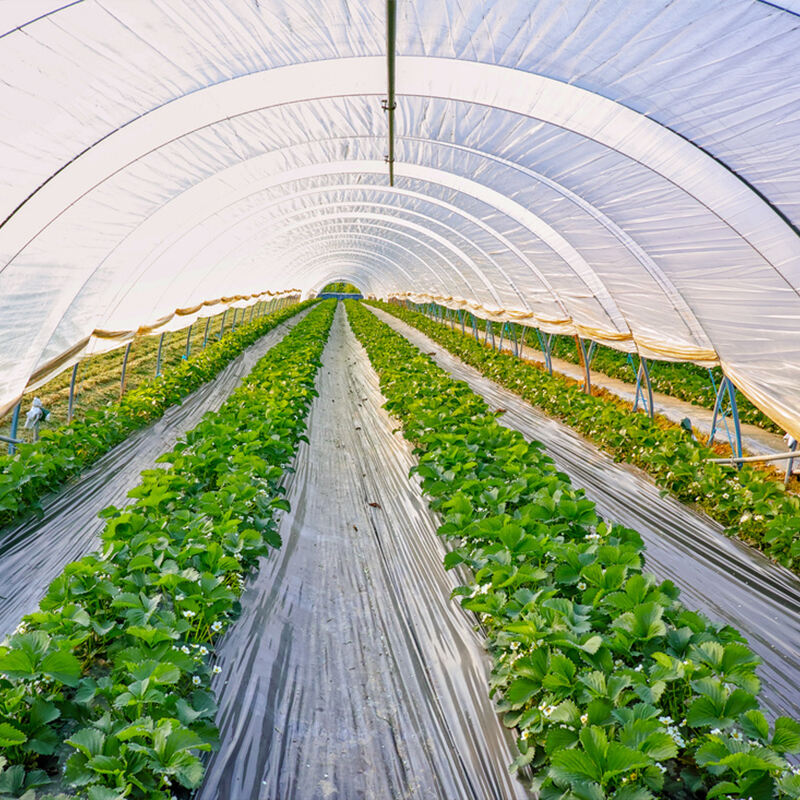
Selecting the appropriate greenhouse film represents one of the most critical decisions for agricultural success, directly impacting crop yield, energy efficiency, and operational costs. Modern greenhouse operations demand materials that balance superior light transmission with robust environmental protection, creating optimal growing conditions throughout varying seasons. The choice between different film technologies can significantly influence plant photosynthesis, temperature regulation, and overall greenhouse performance. Understanding the intricate relationship between film properties and agricultural outcomes enables growers to make informed decisions that maximize both productivity and profitability.
Understanding Light Transmission Properties
Photosynthetically Active Radiation Requirements
Photosynthetically active radiation (PAR) determines the quality and quantity of light essential for plant growth, making it a fundamental consideration when evaluating greenhouse film options. Different crops require specific light spectrums and intensities to achieve optimal photosynthetic efficiency, with most agricultural plants thriving under PAR values between 400-700 nanometers. Advanced greenhouse film technologies incorporate specialized additives that enhance light transmission while filtering harmful UV radiation that could damage sensitive crops. The balance between maximum light penetration and selective filtering creates an environment where plants can utilize available sunlight most effectively.
Modern greenhouse film materials achieve remarkable light transmission rates exceeding 90%, significantly improving upon traditional covering materials that often blocked substantial amounts of beneficial radiation. These high-performance films utilize innovative polymer compositions that minimize light absorption and scattering, ensuring maximum energy reaches plant canopies. The relationship between film thickness, additive concentration, and light transmission requires careful optimization to achieve desired agricultural outcomes without compromising material durability or protective properties.
Diffuse Light Distribution Benefits
Diffuse light distribution through specialized greenhouse film creates more uniform illumination throughout the growing space, eliminating harsh shadows and hotspots that can stress plants. This technology scatters incoming sunlight across broader angles, penetrating deeper into plant canopies and reaching lower leaves that would otherwise remain shaded. Enhanced light distribution directly correlates with improved photosynthetic activity across entire plant structures, resulting in more consistent growth patterns and higher overall yields.
The science behind diffuse light transmission involves microscopic particles embedded within the film matrix that redirect light rays without significantly reducing total light levels. These particles create multiple scattering points that break up direct sunlight into softer, more manageable illumination patterns. Crops grown under diffuse lighting conditions typically exhibit reduced stress indicators, improved fruit quality, and more uniform ripening characteristics compared to those exposed to direct, unfiltered sunlight.
Material Composition and Durability Factors
Polymer Technology Advances
Contemporary greenhouse film manufacturing utilizes advanced polymer technologies that deliver exceptional strength, flexibility, and longevity under challenging environmental conditions. Polyethylene-based films incorporate multiple additive packages that enhance UV resistance, thermal stability, and mechanical properties essential for multi-season performance. These sophisticated material compositions resist degradation from intense sunlight, temperature fluctuations, and chemical exposure that would rapidly deteriorate conventional plastic films.
Multi-layer coextrusion processes enable manufacturers to combine different polymer grades within single film structures, optimizing specific properties for interior and exterior surfaces. The outer layer typically focuses on weather resistance and UV protection, while inner layers prioritize optical clarity and anti-condensate properties. This layered approach allows each component to perform specialized functions while maintaining overall film integrity and performance characteristics throughout extended service periods.
Additive Systems for Enhanced Performance
Specialized additive systems transform basic polymer films into high-performance agricultural materials capable of addressing specific growing challenges. Anti-fog additives prevent condensation buildup that can block light transmission and create favorable conditions for plant diseases. UV stabilizers protect both the film material and crops from harmful radiation while maintaining optical properties over multiple growing seasons. These carefully formulated additive packages work synergistically to deliver comprehensive protection and performance benefits.
Thermal additives regulate heat transfer through the film, helping maintain optimal growing temperatures while reducing energy costs for climate control systems. Some greenhouse film formulations include infrared-blocking compounds that prevent excessive heat buildup during peak summer periods while maintaining high visible light transmission. The precise balance of these additives requires extensive testing and optimization to ensure compatibility and long-term effectiveness under real-world agricultural conditions.
Environmental Protection Capabilities
Weather Resistance Standards
Superior greenhouse film must withstand extreme weather events including hail, high winds, temperature extremes, and intense UV exposure that can rapidly degrade inferior materials. Industry-standard testing protocols evaluate tear resistance, puncture strength, and dimensional stability under simulated stress conditions that exceed typical environmental challenges. Quality films maintain structural integrity and optical properties even after prolonged exposure to harsh conditions that would compromise lesser materials.
Wind load calculations determine the minimum strength requirements for greenhouse film installations in specific geographic regions, ensuring structures can survive severe storm events without catastrophic failure. Proper film selection based on local climate data prevents costly damage and crop losses that result from inadequate material specifications. Temperature cycling tests verify that films can expand and contract repeatedly without developing stress fractures or optical distortions that reduce performance over time.
Chemical and Biological Resistance
Agricultural environments expose greenhouse film to various chemicals including pesticides, fertilizers, and cleaning agents that can cause premature degradation if materials lack appropriate resistance properties. Advanced film formulations incorporate chemical-resistant additives that prevent reaction with common agricultural compounds, maintaining film integrity and optical clarity throughout the growing season. This chemical stability ensures consistent performance and prevents unexpected failures that could compromise crop protection.
Biological resistance prevents microbial growth and contamination that can spread diseases to valuable crops while degrading film properties. Anti-microbial additives inhibit fungal and bacterial colonization on film surfaces, particularly important in high-humidity growing environments where pathogens thrive. Some greenhouse film technologies include self-cleaning properties that prevent organic matter accumulation, reducing maintenance requirements and maintaining optimal light transmission over extended periods.
Installation and Maintenance Considerations
Proper Installation Techniques
Successful greenhouse film installation requires careful attention to tensioning, securing, and sealing procedures that maximize material performance and longevity. Proper tensioning eliminates excessive flapping that causes premature wear while ensuring adequate flexibility for thermal expansion and contraction cycles. Installation timing should coincide with moderate weather conditions that allow for optimal material handling and securing procedures without compromising film properties.
Specialized fastening systems distribute stress loads evenly across film surfaces, preventing tear initiation points that could lead to catastrophic failures during severe weather events. Professional installation techniques include proper overlap sealing, edge reinforcement, and ventilation integration that maintains structural integrity while accommodating necessary airflow requirements. These installation details significantly impact long-term performance and determine whether greenhouse film achieves its expected service life.
Maintenance Protocols for Longevity
Regular maintenance protocols preserve greenhouse film performance and extend service life through systematic inspection and preventive care procedures. Cleaning schedules remove accumulated dust, pollen, and other debris that reduce light transmission and create favorable conditions for microbial growth. Gentle cleaning methods using appropriate solutions prevent damage to specialized coatings and additives while restoring optimal optical properties.
Inspection procedures identify potential problems including stress points, chemical damage, or mechanical wear before they develop into serious failures requiring complete film replacement. Documentation of maintenance activities provides valuable data for optimizing replacement schedules and evaluating different greenhouse film technologies under specific operating conditions. Proactive maintenance significantly reduces unexpected failures and maximizes return on investment for quality film materials.
Economic Considerations and Return on Investment
Initial Investment Analysis
Comprehensive cost analysis for greenhouse film selection must consider initial material costs, installation expenses, and expected service life to accurately evaluate long-term economic benefits. Premium greenhouse film technologies typically require higher upfront investments but deliver superior performance and longevity that reduces total cost of ownership over multiple growing seasons. Economic modeling should include factors such as improved crop yields, reduced heating costs, and decreased replacement frequency when comparing different film options.
Quality greenhouse film can significantly impact operational efficiency through reduced maintenance requirements, improved climate control, and enhanced crop protection that directly affects profitability. Energy savings from improved thermal properties and light transmission efficiency often offset higher material costs within the first growing season. These economic benefits become more pronounced over time as premium materials maintain performance while inferior alternatives require frequent replacement and repairs.
Long-term Value Proposition
Long-term value analysis reveals that superior greenhouse film delivers substantial returns through consistent performance, reduced downtime, and improved crop quality over extended service periods. Multi-season warranties and proven durability data support economic projections that favor quality materials despite higher initial costs. Operational savings from reduced maintenance, improved energy efficiency, and enhanced crop protection compound over time, creating significant economic advantages.
Market analysis shows that growers using high-performance greenhouse film consistently achieve better crop yields, reduced pest and disease pressure, and improved product quality compared to those using standard materials. These operational advantages translate directly into increased revenue and market competitiveness that justifies premium material investments. Economic modeling over typical 3-5 year replacement cycles clearly demonstrates the superior value proposition of quality greenhouse film technologies.
FAQ
How long does quality greenhouse film typically last under normal operating conditions
Quality greenhouse film designed for agricultural applications typically provides 3-5 years of reliable service under normal operating conditions, with some premium materials achieving even longer service lives. Actual longevity depends on factors including UV exposure intensity, temperature extremes, mechanical stress from wind loads, and maintenance quality. Films with advanced UV stabilizer packages and multi-layer construction generally outperform single-layer materials in demanding environments. Proper installation and regular maintenance can extend service life significantly beyond minimum warranty periods.
What thickness specification should be selected for optimal performance and durability
Greenhouse film thickness selection depends on specific application requirements, with most agricultural installations utilizing materials between 150-200 microns for optimal balance of strength and light transmission. Thicker films provide enhanced puncture resistance and longer service life but may slightly reduce light transmission rates. Geographic location, wind load requirements, and intended service life influence optimal thickness selection. Professional consultation helps determine appropriate specifications based on local conditions and operational requirements.
Can greenhouse film be recycled after its service life ends
Many greenhouse film materials can be recycled through specialized programs that process agricultural plastics into new products, supporting sustainable farming practices. Proper preparation including cleaning and removal of foreign materials improves recycling efficiency and material recovery rates. Some manufacturers offer take-back programs that facilitate responsible disposal and recycling of used greenhouse film. Selecting films from manufacturers with established recycling partnerships ensures environmentally responsible end-of-life management.
How does greenhouse film compare to rigid covering materials like polycarbonate or glass
Greenhouse film offers significant advantages including lower initial costs, easier installation, excellent light transmission, and flexibility that accommodates structural movement. While rigid materials provide longer service life, they require higher initial investments and more complex installation procedures. Film materials can achieve comparable or superior light transmission rates while offering better impact resistance and safety characteristics. The choice depends on budget constraints, intended service life, and specific operational requirements for each greenhouse application.
Table of Contents
- Understanding Light Transmission Properties
- Material Composition and Durability Factors
- Environmental Protection Capabilities
- Installation and Maintenance Considerations
- Economic Considerations and Return on Investment
-
FAQ
- How long does quality greenhouse film typically last under normal operating conditions
- What thickness specification should be selected for optimal performance and durability
- Can greenhouse film be recycled after its service life ends
- How does greenhouse film compare to rigid covering materials like polycarbonate or glass