
 EN
EN
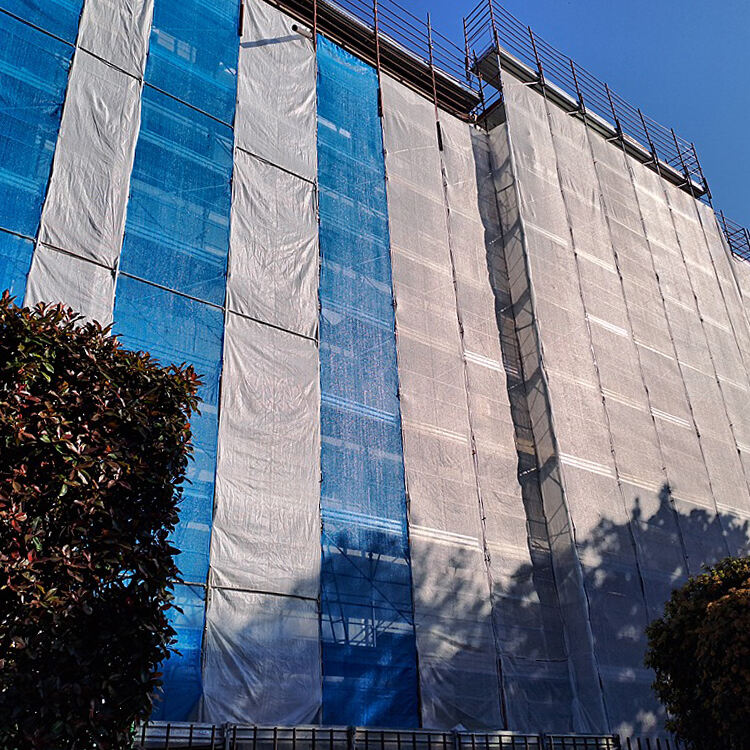
Modern agriculture faces unprecedented challenges as global food demand continues to rise while arable land remains limited. Farmers worldwide are turning to innovative solutions that maximize productivity while maintaining sustainable practices. Among these technologies, agriculture film has emerged as a revolutionary tool that transforms how crops are cultivated, protected, and harvested. This specialized plastic covering creates optimal growing conditions by regulating temperature, moisture, and light exposure, enabling farmers to achieve significantly higher yields than traditional farming methods.
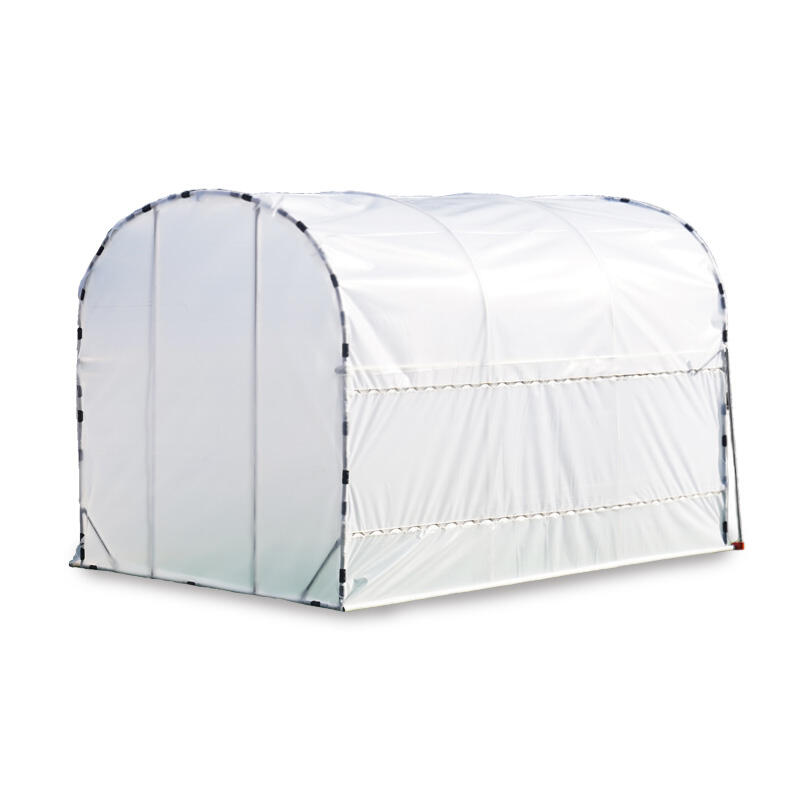
The adoption of agriculture film represents more than just a technological advancement; it signifies a fundamental shift toward precision agriculture that prioritizes resource efficiency and environmental stewardship. Quality agriculture film systems provide controlled environments that protect crops from harsh weather conditions, pests, and diseases while optimizing water usage and nutrient absorption. This comprehensive protection ensures that plants can focus their energy on growth and fruit production rather than survival mechanisms, ultimately resulting in healthier crops and increased harvests.
Understanding Agriculture Film Technology
Composition and Material Properties
Agriculture film is manufactured using advanced polymer technologies that create durable, flexible materials specifically designed for agricultural applications. The most common materials include polyethylene, PVC, and specialized multi-layer composites that combine different properties to meet specific growing requirements. These materials are engineered to withstand UV radiation, temperature fluctuations, and mechanical stress while maintaining optical clarity and durability over extended periods.
The molecular structure of quality agriculture film incorporates stabilizers and additives that prevent degradation from sunlight exposure and oxidation. Anti-drip properties are often integrated into the film formulation, preventing water condensation from falling onto plants and reducing the risk of fungal infections. Additionally, many modern agriculture films feature controlled light transmission characteristics that filter harmful UV rays while allowing beneficial wavelengths to penetrate, creating optimal photosynthetic conditions.
Manufacturing Standards and Quality Control
Professional agriculture film production requires stringent quality control measures to ensure consistent performance across different environmental conditions. Manufacturing facilities employ advanced extrusion processes that maintain precise thickness tolerances and uniform material distribution throughout the film surface. These processes are critical because variations in film thickness can create weak points that compromise the protective barrier and reduce the overall effectiveness of the installation.
Quality assurance protocols for agriculture film include extensive testing for tensile strength, elongation properties, and transparency levels. Each production batch undergoes rigorous evaluation to verify that the material meets specified performance criteria for UV resistance, thermal stability, and mechanical durability. This comprehensive testing ensures that farmers receive agriculture film products that perform reliably throughout the growing season and provide consistent protection for their crops.
Environmental Benefits and Crop Protection
Temperature Regulation and Climate Control
One of the most significant advantages of agriculture film is its ability to create stable microclimates that promote optimal plant growth. The greenhouse effect generated by quality film installations maintains consistent temperatures that prevent stress from sudden weather changes and extend growing seasons in regions with harsh climates. This temperature control allows farmers to cultivate crops year-round and achieve multiple harvests annually, dramatically increasing overall productivity.
Thermal regulation provided by agriculture film also reduces energy consumption in heated greenhouse operations. The insulating properties of multi-layer films minimize heat loss during cold periods while preventing overheating during intense sunshine. Smart agriculture film systems incorporate ventilation mechanisms that automatically adjust airflow based on internal temperature readings, maintaining ideal conditions without requiring constant manual intervention from farm operators.
Moisture Management and Water Conservation
Water conservation has become increasingly critical as agricultural regions worldwide face drought conditions and water scarcity issues. Agriculture film installations significantly reduce water requirements by minimizing evaporation and creating controlled irrigation environments. The enclosed growing spaces prevent moisture loss to ambient air while concentrating humidity around plant root zones where it provides maximum benefit.
Advanced agriculture film systems integrate drip irrigation and hydroponic technologies that deliver precise water amounts directly to plant roots. This targeted approach eliminates water waste from runoff and evaporation while ensuring that crops receive optimal hydration levels throughout their growth cycles. The combination of film protection and efficient irrigation can reduce water consumption by up to sixty percent compared to traditional open-field farming methods.
Economic Impact and Yield Optimization
Productivity Improvements and Harvest Quality
Farmers who implement quality agriculture film systems consistently report substantial increases in crop yields and improvements in harvest quality. Protected environments eliminate many variables that typically reduce agricultural productivity, including weather damage, pest infestations, and soil-borne diseases. The controlled conditions created by agriculture film allow plants to achieve their genetic potential for growth and fruit production.
Harvest quality improvements extend beyond simple yield increases to include enhanced nutritional content, better appearance, and extended shelf life for produce. Plants grown under agriculture film protection develop stronger cellular structures and higher concentrations of beneficial compounds because they experience less environmental stress. This improved quality translates directly into higher market prices and increased profitability for farming operations.
Cost-Benefit Analysis and Return on Investment
While agriculture film installations require initial capital investment, the long-term economic benefits far outweigh the upfront costs for most farming operations. Increased yields, improved crop quality, and reduced losses from weather and pest damage typically generate positive returns within the first growing season. Additionally, the ability to extend growing seasons and achieve multiple harvests annually multiplies the profit potential from each agriculture film installation.
Operating cost reductions achieved through agriculture film systems include decreased pesticide usage, reduced water consumption, and lower labor requirements for crop maintenance. The controlled environment eliminates many manual interventions that traditional farming requires while automating environmental controls that would otherwise demand constant attention. These efficiency gains compound over time, making agriculture film investments increasingly profitable with each passing season.
Installation and Maintenance Best Practices
Site Preparation and Infrastructure Requirements
Successful agriculture film installations begin with thorough site preparation that ensures optimal performance and longevity of the protective covering. Site selection should prioritize areas with good drainage, adequate sunlight exposure, and protection from strong winds that could damage the film structure. Proper foundation preparation includes leveling the ground, installing drainage systems, and constructing support frameworks that can withstand local weather conditions.
Infrastructure requirements for agriculture film systems vary based on the specific application and local climate conditions. Greenhouse installations require robust structural frameworks with adequate ventilation systems and temperature control mechanisms. Tunnel applications need flexible support systems that can accommodate seasonal expansion and contraction of the agriculture film material while maintaining proper tension and coverage.
Maintenance Protocols and Performance Monitoring
Regular maintenance is essential for ensuring that agriculture film systems continue to provide optimal crop protection throughout their service life. Inspection schedules should include checks for tears, UV damage, and structural integrity of support systems. Early detection of potential issues allows for preventive repairs that extend the useful life of the agriculture film installation and maintain consistent environmental controls.
Performance monitoring protocols should track key environmental parameters including temperature, humidity, and light levels to verify that the agriculture film system is functioning as designed. Data collection systems can identify trends that indicate when maintenance or replacement may be necessary, allowing farmers to plan interventions during optimal timing windows that minimize disruption to crop production cycles.
FAQ
What is the typical lifespan of quality agriculture film?
High-quality agriculture film typically lasts between three to five years depending on environmental conditions, UV exposure, and maintenance practices. Premium films with advanced UV stabilizers and anti-aging additives can maintain their performance characteristics for up to seven years in moderate climates. Proper installation, regular maintenance, and protection from mechanical damage significantly extend the useful life of agriculture film systems.
How does agriculture film compare to glass greenhouse structures?
Agriculture film offers several advantages over glass including lower initial costs, better light diffusion properties, and superior impact resistance. While glass structures may have longer lifespans, agriculture film provides more flexibility in installation designs and can be easily modified or expanded as farming operations evolve. Modern agriculture film also offers better thermal efficiency than single-pane glass systems.
Can agriculture film be recycled after its useful life?
Most agriculture film materials are recyclable through specialized plastic recycling programs that handle agricultural plastics. Many manufacturers offer take-back programs that collect used agriculture film for processing into new products. Proper disposal and recycling of agriculture film supports sustainable farming practices and reduces environmental impact from agricultural operations.
What factors should be considered when selecting agriculture film for specific crops?
Crop-specific agriculture film selection should consider light transmission requirements, temperature tolerance ranges, and growth characteristics of the target plants. Flowering crops may benefit from films that enhance specific light wavelengths, while leafy vegetables might require different thermal properties. Consulting with agriculture film specialists helps ensure that the selected material matches the specific needs of each crop variety and local growing conditions.