
 EN
EN
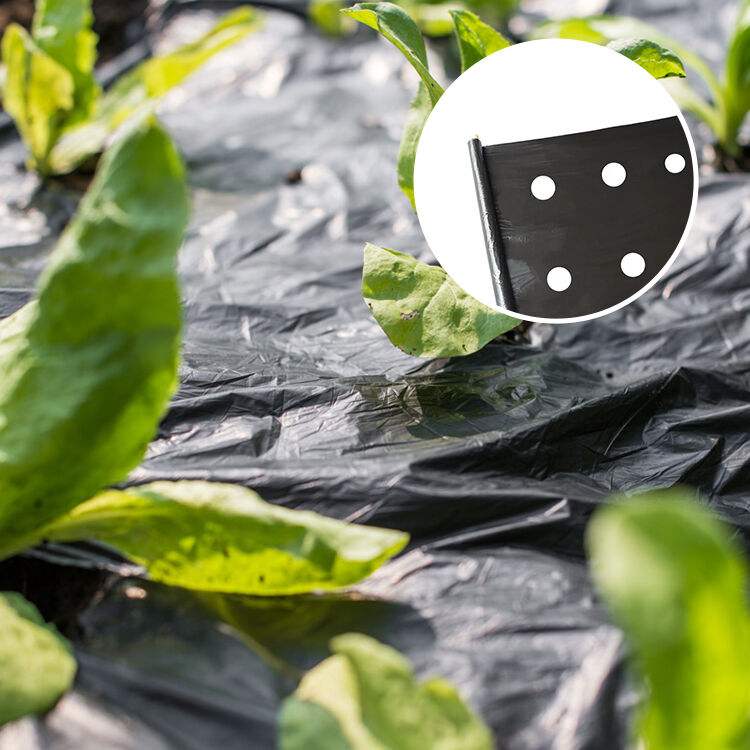
Modern agriculture demands innovative solutions to preserve animal fodder while maintaining its maximum nutritional value throughout storage periods. Premium silage film has emerged as a critical component in agricultural operations worldwide, providing farmers with reliable protection for their livestock feed investments. This advanced plastic technology creates an anaerobic environment that prevents spoilage and maintains the essential nutrients animals require for optimal health and productivity. Agricultural enterprises increasingly recognize that quality silage film directly impacts their bottom line through reduced feed waste, improved animal performance, and enhanced operational efficiency.
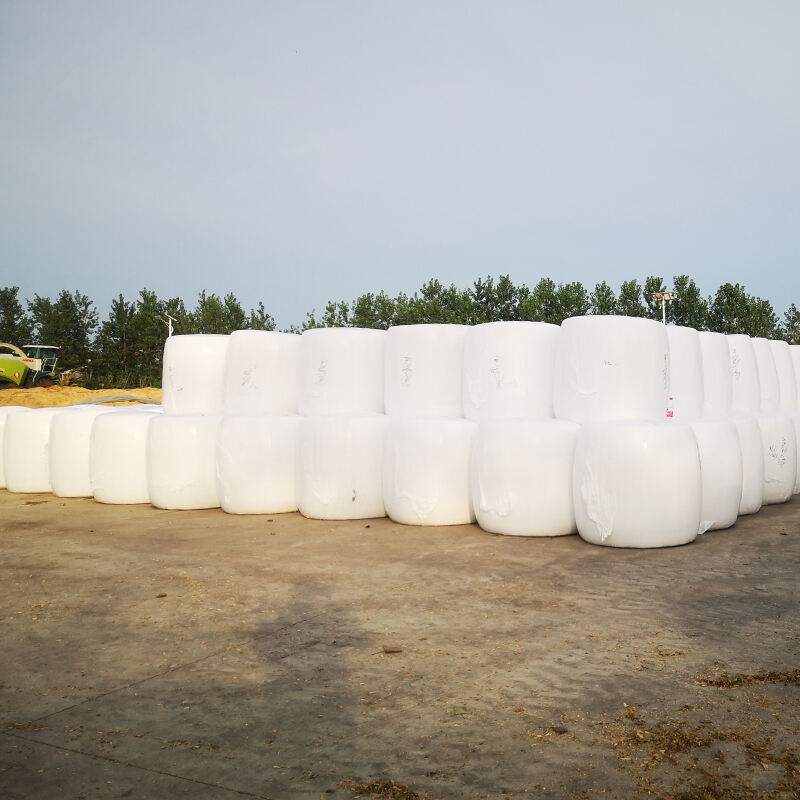
Understanding Silage Film Technology and Composition
Advanced Material Engineering
Premium silage film incorporates sophisticated polymer blends designed specifically for agricultural preservation applications. These materials typically combine linear low-density polyethylene with specialized additives that enhance barrier properties and mechanical strength. The molecular structure of quality silage film prevents oxygen infiltration while maintaining flexibility across varying temperature ranges. Manufacturers engineer these films with precise thickness specifications to balance puncture resistance with conformability around irregular bale shapes.
The chemical composition of modern silage film includes ultraviolet stabilizers that protect against solar degradation during outdoor storage. These UV inhibitors extend the functional lifespan of the film while maintaining its barrier properties throughout extended exposure periods. Additionally, premium formulations incorporate anti-static additives that facilitate easier handling and application in field conditions. The molecular weight distribution within the polymer matrix directly influences the film's ability to stretch and conform without compromising its protective capabilities.
Barrier Properties and Gas Permeability
Exceptional barrier performance represents the cornerstone of effective silage film functionality in preserving fodder quality. Premium films demonstrate extremely low oxygen transmission rates, typically measuring less than 50 cubic centimeters per square meter per day under standard test conditions. This minimal gas permeability creates the anaerobic environment essential for proper fermentation processes. The barrier effectiveness directly correlates with the film's ability to maintain the acidic conditions necessary for nutrient preservation.
Water vapor transmission rates in quality silage film remain equally important for maintaining proper moisture levels within wrapped bales. Excessive moisture loss can concentrate nutrients to unpalatable levels, while moisture infiltration promotes harmful microbial growth. Premium silage film maintains optimal water vapor permeability to prevent condensation issues while preserving the natural moisture content essential for palatability. The balanced permeability characteristics ensure consistent fermentation throughout the entire storage period.
Nutritional Preservation Mechanisms
Anaerobic Fermentation Process
The primary mechanism through which silage film preserves nutritional quality involves creating and maintaining anaerobic conditions that support beneficial lactic acid fermentation. When properly applied, quality silage film excludes atmospheric oxygen that would otherwise enable aerobic decomposition and nutrient degradation. This oxygen barrier allows naturally occurring lactic acid bacteria to convert plant sugars into organic acids that preserve the fodder's nutritional components. The resulting pH reduction to approximately 4.0 creates an environment hostile to harmful microorganisms while maintaining protein integrity.
Temperature control within wrapped bales significantly impacts the fermentation process and overall nutritional retention. Premium silage film helps moderate temperature fluctuations that could disrupt beneficial bacterial activity or promote undesirable microbial growth. The film's thermal properties maintain stable internal conditions that support consistent fermentation rates across varying external weather conditions. This temperature stability proves particularly critical during the initial fermentation phase when proper acid production determines long-term preservation success.
Protein and Energy Conservation
Protein degradation represents one of the most significant nutritional losses in improperly stored fodder, making effective silage film application crucial for maintaining feed value. Quality films prevent proteolytic enzyme activity that breaks down essential amino acids during storage. The anaerobic environment created by proper silage film application inhibits protein-degrading bacteria while preserving the structural integrity of feed proteins. This preservation maintains the biological availability of amino acids essential for animal growth and milk production.
Energy content preservation in wrapped fodder depends heavily on preventing oxidative losses that reduce digestible carbohydrates and fats. Premium silage film prevents atmospheric oxidation of volatile fatty acids and other energy compounds that contribute significantly to feed value. The film's barrier properties maintain the concentration of water-soluble carbohydrates that provide readily available energy for ruminant digestion. Additionally, proper wrapping preserves the fiber structure that supports healthy rumen function and optimal nutrient absorption in livestock.
Quality Indicators and Performance Standards
Physical Performance Characteristics
Tensile strength measurements provide critical indicators of silage film quality and its ability to maintain protective barriers throughout storage periods. Premium films typically demonstrate tensile strengths exceeding 20 megapascals in both machine and transverse directions, ensuring resistance to punctures and tears during application and storage. Elongation properties must balance flexibility for conformability with strength to prevent failure under stress. These mechanical properties directly influence the film's ability to maintain airtight seals around irregular bale surfaces.
Puncture resistance testing reveals the film's capacity to withstand sharp objects like stubble, stones, or equipment contact without compromising barrier integrity. Quality silage film maintains puncture resistance values above industry minimums while providing the flexibility necessary for proper application. The dart drop impact test specifically measures the film's ability to resist sudden impact forces that commonly occur during handling and storage operations. Superior puncture resistance ensures long-term barrier maintenance essential for nutritional preservation.
Optical and Color Properties
Color selection in silage film significantly impacts both preservation effectiveness and practical handling considerations in agricultural operations. White films reflect solar radiation to minimize heat buildup within wrapped bales, while dark colors absorb heat that can accelerate fermentation in cooler climates. Premium silage film manufacturers optimize color formulations to balance thermal properties with visibility for equipment operators and storage management. The optical density of colored films must maintain adequate light blocking while preserving the mechanical properties essential for barrier performance.
Transparency variations in silage film affect monitoring capabilities and preservation efficiency in different storage environments. Clear films allow visual inspection of bale conditions during storage, enabling early detection of potential issues. However, opaque formulations provide superior protection against photodegradation of nutrients sensitive to light exposure. Premium manufacturers offer various opacity levels to accommodate specific storage conditions and monitoring requirements while maintaining consistent barrier properties across their product range.
Application Techniques and Best Practices
Proper Wrapping Methodology
Achieving optimal nutritional preservation requires precise silage film application techniques that ensure complete air exclusion and barrier integrity. Proper overlap percentages, typically 50% minimum, create redundant barrier layers that compensate for minor imperfections or damage during storage. The number of film layers applied must balance cost considerations with preservation requirements, with most applications requiring 4-6 layers for adequate protection. Consistent tension during wrapping prevents loose areas that could compromise the anaerobic environment essential for preservation.
Timing of bale wrapping significantly influences preservation success and nutritional retention in stored fodder. Immediate wrapping after baling captures optimal moisture content and prevents initial aerobic deterioration that begins within hours of cutting. Delay in applying silage film allows continued plant respiration and enzyme activity that depletes sugars necessary for proper fermentation. Temperature considerations during wrapping affect film conformability and sealing characteristics, with moderate temperatures providing optimal application conditions.
Equipment Considerations and Maintenance
Wrapper equipment calibration directly affects silage film performance and preservation outcomes through consistent application parameters. Proper roller pressure ensures adequate film stretch without over-tensioning that could cause premature failure. Speed settings must balance operational efficiency with application quality, as excessive wrapping speeds can create uneven coverage or inadequate overlap. Regular equipment maintenance prevents mechanical issues that could compromise film application quality and preservation effectiveness.
Film handling and storage prior to application significantly impact performance characteristics and preservation results. Premium silage film requires protection from UV exposure, extreme temperatures, and physical damage during storage and transport. Proper inventory rotation ensures films maintain their specified properties throughout their shelf life. Storage conditions must prevent contamination or degradation that could compromise barrier performance or introduce harmful substances to animal feed.
Economic Benefits and Return on Investment
Feed Loss Prevention
Investment in premium silage film generates substantial economic returns through dramatic reductions in feed waste and spoilage losses. Studies consistently demonstrate that proper film application can reduce dry matter losses from 15-20% in unwrapped storage to less than 5% in well-wrapped bales. These preservation improvements translate directly into increased feed availability and reduced purchasing requirements for replacement feed. The economic value of prevented losses typically exceeds the cost of quality silage film within the first storage season.
Nutritional quality maintenance through effective silage film application improves feed conversion efficiency and animal performance metrics. Higher nutrient retention reduces the quantity of feed required to achieve target production levels in livestock operations. Improved palatability from proper preservation increases feed intake and reduces the need for supplemental feeding programs. These performance improvements compound over time to generate significant economic advantages for agricultural operations utilizing quality preservation methods.
Labor and Operational Efficiency
Premium silage film characteristics reduce labor requirements and improve operational efficiency through easier handling and application properties. Superior film strength and elongation properties minimize application failures and rewrapping requirements that increase labor costs. Consistent film performance reduces equipment downtime and maintenance needs associated with frequent film changes. These operational improvements contribute to overall cost reductions that enhance the economic benefits of investing in quality preservation materials.
Storage flexibility provided by effective silage film allows operations to optimize feeding schedules and inventory management strategies. Well-preserved bales maintain quality for extended periods, enabling strategic feeding programs that maximize pasture utilization and minimize feed costs. The reliability of properly wrapped storage reduces the need for alternative preservation methods or emergency feed purchases during adverse conditions. This operational flexibility provides significant economic advantages in volatile agricultural markets.
Environmental Considerations and Sustainability
Waste Reduction Impact
Effective silage film utilization contributes significantly to agricultural sustainability through substantial reductions in feed waste and associated environmental impacts. Preventing spoilage reduces the land area required for feed production by maximizing the utilization of existing crops. Lower waste levels decrease the environmental burden associated with disposing of spoiled feed materials. The preservation efficiency achieved with quality silage film supports more sustainable agricultural practices through improved resource utilization.
Carbon footprint reduction represents an important environmental benefit of proper silage film application in modern agricultural operations. Preventing feed spoilage reduces methane emissions from decomposing organic matter while maintaining the carbon sequestration benefits of preserved plant materials. The improved efficiency of preserved feeds reduces the environmental impact per unit of animal production achieved. These environmental benefits align with increasing industry focus on sustainable agricultural practices and carbon footprint reduction.
Recycling and End-of-Life Management
Modern silage film manufacturers increasingly focus on developing recyclable formulations and supporting collection programs for used materials. Many premium films utilize polymer compositions that facilitate recycling into new agricultural products or alternative applications. Proper collection and processing of used silage film prevents environmental contamination while recovering valuable materials for continued use. Industry initiatives continue expanding recycling infrastructure to support sustainable disposal practices.
Biodegradable alternatives to traditional silage film represent emerging technologies that could further improve environmental sustainability. Research continues into bio-based polymers that provide adequate barrier properties while offering improved end-of-life disposal options. However, current biodegradable options must balance environmental benefits with preservation performance requirements. The agricultural industry continues evaluating these emerging technologies for specific applications where environmental considerations outweigh traditional performance requirements.
FAQ
How long can silage film maintain feed quality during storage
Premium silage film can maintain feed quality for 12-24 months when properly applied under normal storage conditions. The actual storage duration depends on factors including film quality, application technique, environmental conditions, and initial feed characteristics. Well-wrapped bales stored in moderate climates often maintain nutritional value for extended periods, while extreme weather conditions may reduce effective storage duration. Regular inspection of wrapped bales helps determine optimal feeding schedules based on preservation conditions.
What thickness of silage film provides optimal preservation performance
Most agricultural applications achieve optimal results with silage film thickness between 25-30 microns, balancing barrier properties with economic considerations. Thicker films provide enhanced puncture resistance and barrier performance but increase material costs and application weight. Thinner films may offer adequate performance in controlled environments but provide less protection against mechanical damage. The optimal thickness selection depends on storage conditions, handling requirements, and specific preservation objectives for each operation.
Can damaged silage film be effectively repaired during storage
Small punctures or tears in silage film can be temporarily repaired using specialized agricultural tape designed for outdoor applications. However, repairs should be implemented immediately after damage discovery to minimize air infiltration and preserve anaerobic conditions. Extensive damage typically requires rewrapping with fresh silage film to ensure adequate preservation. Prevention through careful handling and quality film selection remains more effective than post-application repairs for maintaining optimal preservation conditions.
What environmental factors most significantly impact silage film performance
Temperature extremes, UV radiation exposure, and mechanical stress from wind or handling represent the primary environmental factors affecting silage film performance. Prolonged exposure to intense sunlight degrades film properties even with UV stabilizers, while extreme temperature variations can cause expansion and contraction stress. Wind-driven debris and wildlife activity create puncture risks that compromise barrier integrity. Storage location selection and protective measures can mitigate many environmental challenges to preservation effectiveness.