
 EN
EN
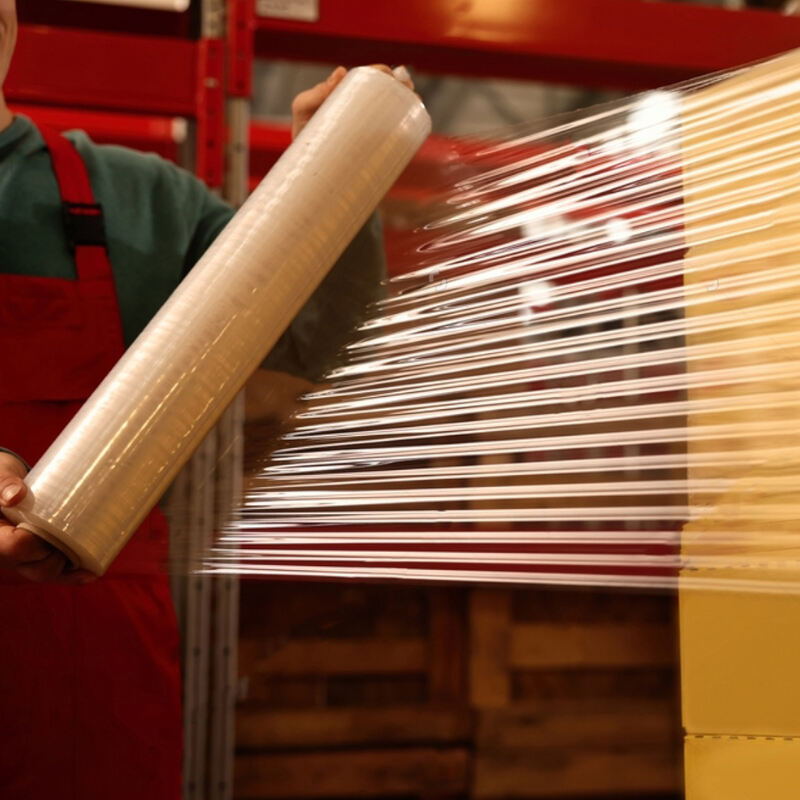
Selecting the right stretch film for your packaging and logistics operations can significantly impact product protection, shipping costs, and operational efficiency. With numerous options available in the market, understanding the key characteristics and performance factors of stretch film becomes essential for making informed decisions. Modern supply chains demand reliable packaging solutions that can withstand various environmental conditions while maintaining cost-effectiveness throughout the distribution process.
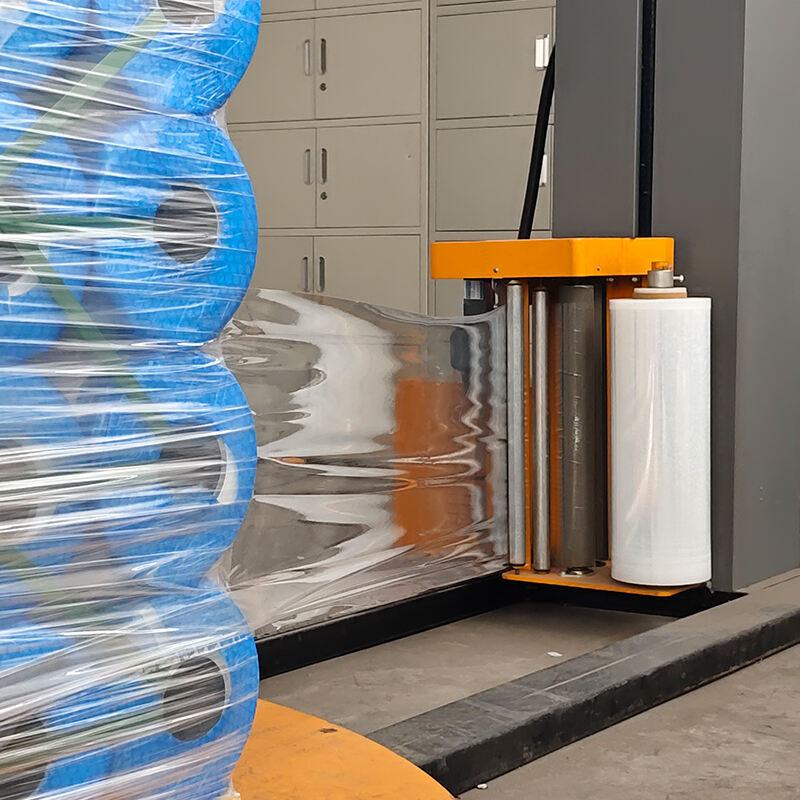
Industrial packaging requirements have evolved considerably over the past decade, with companies seeking materials that offer superior load containment while reducing material consumption. Quality stretch film provides exceptional elongation properties, puncture resistance, and cling characteristics that ensure palletized goods remain secure during transportation and storage. The selection process involves evaluating multiple technical specifications alongside practical considerations such as application methods and environmental conditions.
Understanding Stretch Film Fundamentals
Material Composition and Manufacturing Processes
High-performance stretch film is typically manufactured using linear low-density polyethylene (LLDPE) resins that provide excellent stretch characteristics and tear resistance. The manufacturing process involves either cast or blown film extrusion methods, each offering distinct advantages for specific applications. Cast stretch film generally provides superior clarity, quieter unwinding, and consistent thickness, making it ideal for automated wrapping equipment.
Blown stretch film offers enhanced puncture resistance and holding force due to its molecular structure created during the manufacturing process. The cross-directional strength of blown films makes them particularly suitable for irregularly shaped loads or applications requiring maximum load retention. Understanding these fundamental differences helps businesses select the most appropriate stretch film type for their specific packaging requirements.
Key Performance Characteristics
The performance of stretch film is measured through several critical parameters including pre-stretch capability, load retention force, puncture resistance, and cling properties. Pre-stretch capability determines how much the film can be elongated during application, directly affecting material usage efficiency and cost per wrapped pallet. Quality stretch film should achieve consistent pre-stretch ratios between 200-300% while maintaining structural integrity.
Load retention force measures the film's ability to maintain tension over time, preventing load shifting during transportation. This characteristic is particularly important for long-distance shipments or extended storage periods where maintaining pallet stability is crucial. Puncture resistance ensures the film can withstand contact with sharp edges or protruding package elements without compromising the overall wrap integrity.
Application-Specific Selection Criteria
Load Characteristics and Weight Considerations
Different load types require specific stretch film characteristics to ensure optimal performance and protection. Heavy industrial loads typically require thicker gauge films with enhanced puncture resistance and superior holding force. The weight distribution across the pallet also influences film selection, as uneven loads may require specialized films with improved conformability and stretch recovery properties.
Light to medium-weight loads often perform well with thinner gauge stretch film that offers excellent pre-stretch capabilities and cost efficiency. The key is matching the film's mechanical properties to the specific load requirements while considering factors such as product shape, surface texture, and potential for load shifting during transit.
Environmental and Storage Conditions
Environmental conditions significantly impact stretch film performance and selection criteria. Temperature variations during storage and transportation can affect film elasticity and cling properties. Cold storage applications require specialized stretch film formulations that maintain flexibility and adhesion characteristics at low temperatures, preventing film brittleness and potential package failure.
Humidity levels also influence film performance, particularly for loads containing moisture-sensitive products. UV-resistant stretch film formulations are essential for outdoor storage or transportation applications where prolonged sun exposure could degrade standard film materials. Selecting films with appropriate additive packages ensures consistent performance across various environmental conditions.
Equipment Compatibility and Application Methods
Manual Wrapping Considerations
Manual stretch film application requires specific film characteristics to ensure operator comfort and wrapping efficiency. Films designed for hand application typically feature enhanced cling properties on one side and reduced cling on the outer surface to prevent the roll from sticking to itself during unwinding. The film thickness and width must be optimized for manual handling while providing adequate load containment force.
Ergonomic considerations become important for operations involving high-volume manual wrapping. Stretch film with consistent unwind characteristics and appropriate roll weights helps reduce operator fatigue while maintaining wrapping quality. The selection should balance film performance with operator safety and productivity requirements.
Automated Equipment Requirements
Automated wrapping systems require stretch film with specific mechanical properties to ensure smooth operation and consistent wrap quality. The film must exhibit excellent machinability characteristics including consistent thickness, appropriate stiffness, and controlled unwind tension. Machine-grade stretch film typically features enhanced puncture resistance to withstand the mechanical stresses of automated application equipment.
Pre-stretch ratios and force-to-load requirements must be carefully matched to the wrapping equipment capabilities. Advanced wrapping machines can achieve higher pre-stretch ratios, allowing the use of thinner gauge films while maintaining load containment performance. The selection process should consider both current equipment capabilities and potential future upgrades to automated systems.
Quality Assessment and Testing Protocols
Standard Testing Methods
Comprehensive stretch film evaluation requires standardized testing procedures to assess key performance characteristics. ASTM testing standards provide reliable methods for measuring tensile strength, elongation at break, puncture resistance, and dart drop impact strength. These standardized tests enable accurate comparison between different film products and suppliers.
Load retention testing simulates real-world conditions by measuring the film's ability to maintain containment force over extended periods. This testing is particularly important for applications involving long-term storage or extended transportation cycles. Quality stretch film should demonstrate consistent load retention performance across various temperature and humidity conditions.
Field Performance Validation
Laboratory testing results must be validated through real-world application trials to ensure optimal stretch film selection. Field testing involves wrapping representative loads using standard operating procedures and monitoring performance throughout the distribution cycle. Key performance indicators include wrap consistency, load stability, and any evidence of film failure or inadequate containment.
Performance validation should include assessment of material efficiency, measuring actual pre-stretch ratios achieved during application and calculating cost per wrapped pallet. This comprehensive evaluation approach ensures the selected stretch film delivers both performance and economic benefits in actual operating conditions.
Cost Optimization and Sustainability Factors
Total Cost Analysis
Effective stretch film selection requires comprehensive cost analysis beyond the initial material price per pound or linear foot. Total cost considerations include material usage efficiency, labor costs associated with application, potential product damage costs, and disposal expenses. High-performance stretch film that achieves superior pre-stretch ratios often provides lower total cost per wrapped pallet despite higher initial material costs.
Material waste reduction through improved pre-stretch capabilities and consistent application performance contributes significantly to overall cost optimization. Calculating the true cost per pallet wrapped provides a more accurate comparison between different stretch film options and helps identify the most economical solution for specific applications.
Environmental Impact and Recycling
Sustainability considerations increasingly influence stretch film selection decisions as companies seek to reduce environmental impact while maintaining packaging performance. Recycled content films and recyclable formulations offer environmentally responsible options without compromising protection capabilities. Many modern stretch film products incorporate post-consumer recycled materials while delivering performance comparable to virgin material films.
End-of-life disposal options and recycling programs should be evaluated when selecting stretch film suppliers. Companies implementing circular economy principles benefit from stretch film solutions that support material recovery and reuse programs. Biodegradable and compostable stretch film options are emerging for specific applications where traditional recycling may not be feasible.
Supplier Evaluation and Quality Assurance
Manufacturing Standards and Certifications
Selecting reliable stretch film suppliers requires evaluation of manufacturing capabilities, quality control systems, and relevant industry certifications. ISO certification and adherence to food-grade manufacturing standards ensure consistent product quality and regulatory compliance. Suppliers with comprehensive quality management systems typically provide better lot-to-lot consistency and technical support capabilities.
Technical support services including application assistance, troubleshooting, and performance optimization consulting add significant value to the supplier relationship. Experienced stretch film manufacturers can provide recommendations for optimizing wrap patterns, equipment settings, and material usage based on specific application requirements.
Supply Chain Reliability
Supply chain continuity becomes critical for operations dependent on consistent stretch film availability. Evaluating supplier production capacity, inventory management capabilities, and distribution networks helps ensure reliable material supply. Multiple sourcing strategies may be appropriate for high-volume operations to mitigate supply disruption risks.
Geographic proximity to manufacturing facilities and distribution centers can impact both delivery reliability and transportation costs. Local or regional stretch film suppliers often provide faster response times for emergency orders and reduced shipping expenses for regular deliveries.
FAQ
What gauge stretch film should I use for different load weights
The appropriate stretch film gauge depends on load weight, shape, and shipping conditions. Light loads under 1,000 pounds typically perform well with 60-70 gauge film, while medium loads between 1,000-3,000 pounds usually require 80-90 gauge film. Heavy loads exceeding 3,000 pounds or irregular shapes may need 100+ gauge stretch film for adequate containment and puncture resistance.
How do I determine the right pre-stretch ratio for my application
Optimal pre-stretch ratios balance material efficiency with load containment performance. Most applications achieve good results with 200-250% pre-stretch ratios, though some high-performance films can reach 300%+ safely. Testing different ratios with your specific loads and wrapping equipment helps identify the optimal balance between material usage and containment force for your operations.
What are the key differences between cast and blown stretch film
Cast stretch film offers superior clarity, quiet unwinding, and consistent thickness distribution, making it ideal for automated equipment and retail display applications. Blown stretch film provides enhanced puncture resistance, higher holding force, and better performance with irregular loads due to its molecular structure. Cast films typically cost less and offer better machinability, while blown films excel in demanding applications requiring maximum strength.
How can I reduce stretch film waste in my operations
Reducing stretch film waste involves optimizing pre-stretch ratios, implementing proper wrap pattern techniques, and selecting high-performance films that achieve better coverage with less material. Regular equipment maintenance ensures consistent pre-stretch performance, while operator training on proper wrapping techniques minimizes material waste. Consider upgrading to films with superior pre-stretch capabilities that maintain containment force while using less material per pallet.