 EN
EN
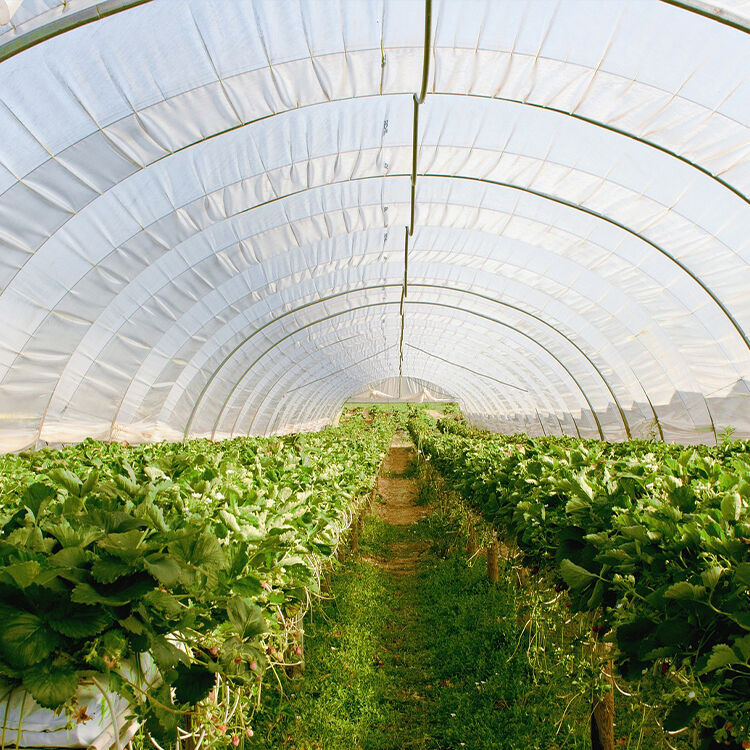
Modern agricultural practices rely heavily on advanced materials to protect crops and optimize growing conditions. Professional plastic film has emerged as a cornerstone technology in greenhouse operations, offering superior durability compared to conventional alternatives. These specialized films undergo rigorous manufacturing processes that enhance their structural integrity and resistance to environmental stressors. The investment in high-quality professional plastic film delivers measurable returns through extended service life, reduced replacement costs, and consistent crop protection performance.
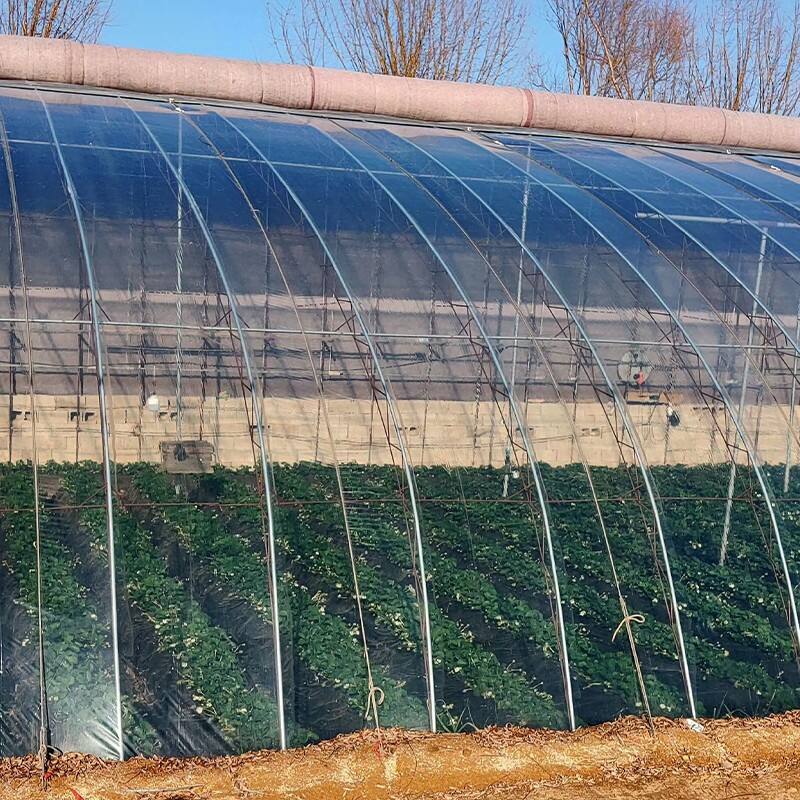
Understanding the durability advantages requires examining the specific engineering principles behind professional-grade materials. These films incorporate advanced polymer chemistry and precision manufacturing techniques that distinguish them from basic plastic coverings. The enhanced durability translates directly to operational efficiency and cost savings for agricultural producers seeking reliable greenhouse solutions.
Material Engineering and Construction Quality
Advanced Polymer Formulations
Professional plastic film utilizes sophisticated polymer blends specifically engineered for agricultural applications. These formulations incorporate high-density polyethylene and specialized additives that enhance molecular stability under stress conditions. The polymer chains are designed with optimal cross-linking density to provide flexibility while maintaining structural integrity over extended periods. This molecular engineering approach ensures that professional plastic film maintains its physical properties even when subjected to repeated thermal cycling and mechanical stress.
The selection of base polymers follows strict quality standards that prioritize long-term performance over initial cost considerations. Premium polymer grades used in professional plastic film feature controlled molecular weight distribution and minimal impurities that could compromise durability. These materials undergo extensive testing during development to verify their resistance to degradation mechanisms common in greenhouse environments.
Multi-Layer Construction Benefits
Professional plastic film often employs multi-layer construction techniques that significantly enhance durability compared to single-layer alternatives. Each layer serves specific protective functions, with outer layers designed for weather resistance and inner layers optimized for light transmission and condensation management. This layered approach distributes mechanical stresses more effectively and provides redundant protection against punctures or tears.
The bonding between layers in professional plastic film utilizes advanced adhesion technologies that prevent delamination under thermal stress. Co-extrusion processes create seamless integration between layers, eliminating weak points that could lead to premature failure. This construction method ensures that the film maintains its protective properties throughout its intended service life.
Environmental Resistance Characteristics
UV Stabilization Technology
Professional plastic film incorporates sophisticated UV stabilization systems that protect against photodegradation from solar radiation. These stabilizers work at the molecular level to absorb harmful UV energy and convert it to harmless heat, preventing polymer chain scission that leads to brittleness and failure. The stabilization package typically includes multiple additive types working synergistically to provide comprehensive protection across the entire UV spectrum.
Long-term UV resistance in professional plastic film is validated through accelerated weathering tests that simulate years of exposure in compressed timeframes. These tests demonstrate that properly stabilized films maintain their mechanical properties and optical clarity far longer than unstabilized alternatives. The UV protection technology ensures that the film continues performing its protective function without degradation that could compromise crop production.
Temperature Cycling Resistance
Agricultural environments subject plastic films to extreme temperature variations between day and night cycles. Professional plastic film is engineered to withstand these thermal stresses without developing stress cracks or dimensional instability. The polymer formulation includes impact modifiers and thermal stabilizers that maintain flexibility across wide temperature ranges, preventing the brittleness that affects lesser quality films.
Thermal cycling resistance testing reveals that professional plastic film maintains its elongation properties and tear resistance even after thousands of heating and cooling cycles. This thermal stability ensures consistent performance throughout seasonal variations and prevents the premature cracking that commonly affects inferior materials.
Mechanical Strength and Puncture Resistance
Tensile Strength Properties
The mechanical properties of professional plastic film are engineered to exceed the demands of agricultural applications. High tensile strength ensures that the film can withstand wind loading, snow accumulation, and installation stresses without failure. The polymer orientation during manufacturing creates preferential molecular alignment that maximizes strength in critical directions while maintaining necessary flexibility for installation and thermal expansion.
Tensile testing of professional plastic film demonstrates strength values significantly higher than commodity films, with consistent performance across different environmental conditions. This mechanical superiority translates to reduced risk of catastrophic failure that could damage crops or require emergency repairs during critical growing periods.
Impact and Puncture Resistance
Professional plastic film exhibits superior resistance to impact damage from hail, debris, and mechanical contact during maintenance operations. The polymer formulation includes toughening agents that absorb impact energy and prevent crack propagation. This enhanced toughness reduces the likelihood of punctures that could compromise the controlled environment within greenhouse structures.
Puncture resistance testing using standardized protocols shows that professional plastic film requires significantly more force to penetrate than standard alternatives. This resistance to mechanical damage extends the service life by preventing small punctures from growing into larger tears that would necessitate complete replacement of the covering system.
Chemical and Environmental Stability
Pesticide and Fertilizer Resistance
Agricultural operations expose plastic films to various chemicals used in crop production and facility maintenance. Professional plastic film is formulated to resist degradation from common pesticides, fertilizers, and cleaning agents that could weaken standard materials. The chemical resistance prevents premature aging and maintains the film's protective properties throughout its service life.
Chemical compatibility testing ensures that professional plastic film maintains its integrity when exposed to typical agricultural chemicals. This resistance prevents the chemical stress cracking and plasticizer extraction that can compromise inferior films, ensuring reliable long-term performance in chemically active environments.
Moisture and Humidity Management
Greenhouse environments create challenging humidity conditions that can affect plastic film performance. Professional plastic film is designed with controlled permeability characteristics that manage moisture transfer while preventing condensation-related problems. The film's surface properties resist the accumulation of water droplets that could reduce light transmission or create conditions for plant disease.
Humidity resistance in professional plastic film prevents the dimensional changes and property degradation that affect moisture-sensitive materials. This stability ensures consistent performance regardless of internal humidity levels, maintaining the controlled environment necessary for optimal crop production.
Economic Benefits of Enhanced Durability
Reduced Replacement Frequency
The superior durability of professional plastic film translates directly to extended service intervals between replacements. While the initial investment may be higher than commodity alternatives, the total cost of ownership is typically lower due to reduced replacement frequency and associated labor costs. This economic advantage becomes more pronounced in operations where film replacement requires significant downtime or specialized equipment.
Service life comparisons demonstrate that professional plastic film often lasts two to three times longer than standard films under identical conditions. This extended durability reduces the frequency of replacement operations and minimizes disruption to crop production cycles, providing both direct cost savings and operational benefits.
Maintenance Cost Reduction
The enhanced durability of professional plastic film reduces the need for emergency repairs and patch applications that are common with inferior materials. The superior tear resistance and puncture resistance minimize the occurrence of damage that requires immediate attention to maintain environmental control. This reduction in maintenance requirements lowers operational costs and reduces labor demands on facility staff.
Maintenance scheduling becomes more predictable with professional plastic film due to its consistent performance characteristics. The reduced variability in material properties allows for better planning of replacement cycles and inventory management, optimizing operational efficiency and cost control.
Installation and Handling Advantages
Installation Durability
Professional plastic film is engineered to withstand the stresses associated with installation without compromising long-term performance. The material properties are optimized to resist tearing during handling and stretching during attachment to greenhouse structures. This installation durability reduces waste during the installation process and ensures that the film reaches its full service potential.
The handling characteristics of professional plastic film allow for easier installation with reduced risk of damage. The enhanced tear resistance and flexibility enable installation teams to work more efficiently while maintaining quality standards. This installation advantage reduces labor costs and minimizes the risk of premature failure due to installation damage.
Dimensional Stability
Professional plastic film maintains dimensional stability under varying environmental conditions, preventing the sagging and distortion that can affect inferior materials. This stability ensures proper fit and appearance throughout the service life while maintaining optimal light transmission characteristics. The dimensional stability also reduces stress concentrations that could lead to premature failure at attachment points.
Long-term dimensional stability testing confirms that professional plastic film maintains its installed dimensions without significant creep or relaxation. This stability ensures consistent performance and appearance while reducing the need for re-tensioning or adjustment operations that add to maintenance costs.
Performance Monitoring and Quality Assurance
Quality Control Standards
Professional plastic film production involves rigorous quality control measures that ensure consistent durability performance. Manufacturing processes include continuous monitoring of material properties, thickness uniformity, and additive distribution to maintain specification compliance. These quality standards provide confidence in long-term performance and reduce the variability that can affect service life predictions.
Quality assurance protocols for professional plastic film include comprehensive testing of mechanical properties, environmental resistance, and optical characteristics. These tests validate that each production lot meets durability specifications and performance standards required for reliable agricultural applications.
Performance Validation
Field performance monitoring of professional plastic film installations provides real-world validation of durability claims. Long-term studies document the actual service life and performance characteristics under various environmental conditions and operational practices. This performance data supports informed decision-making regarding material selection and replacement planning.
Performance validation studies consistently demonstrate that professional plastic film exceeds the durability of standard alternatives in measurable ways. These studies provide the documentation necessary for cost-benefit analysis and long-term planning in agricultural operations where material reliability is critical.
FAQ
How long does professional plastic film typically last compared to standard options
Professional plastic film typically provides service life of 3-4 years or longer under normal greenhouse conditions, compared to 1-2 years for standard films. The actual duration depends on environmental factors, installation quality, and maintenance practices, but the superior UV stabilization and mechanical properties of professional grade materials consistently deliver extended performance.
What makes professional plastic film more resistant to weather damage
Professional plastic film incorporates advanced UV stabilizer packages, impact modifiers, and engineered polymer formulations that resist photodegradation, thermal cycling, and mechanical stress. The multi-layer construction and controlled manufacturing processes create materials with superior environmental resistance compared to commodity films that lack these protective technologies.
Is the higher cost of professional plastic film justified by its durability benefits
The total cost of ownership for professional plastic film is typically lower than standard alternatives due to reduced replacement frequency, lower maintenance requirements, and improved crop protection reliability. While initial costs are higher, the extended service life and reduced operational disruption provide favorable return on investment for commercial greenhouse operations.
How does professional plastic film maintain its properties under extreme temperature conditions
Professional plastic film utilizes specialized thermal stabilizers and impact modifiers that maintain flexibility and strength across wide temperature ranges. The polymer formulation is engineered to resist thermal degradation and dimensional instability, ensuring consistent performance during seasonal temperature variations and extreme weather events that can compromise inferior materials.
Table of Contents
- Material Engineering and Construction Quality
- Environmental Resistance Characteristics
- Mechanical Strength and Puncture Resistance
- Chemical and Environmental Stability
- Economic Benefits of Enhanced Durability
- Installation and Handling Advantages
- Performance Monitoring and Quality Assurance
-
FAQ
- How long does professional plastic film typically last compared to standard options
- What makes professional plastic film more resistant to weather damage
- Is the higher cost of professional plastic film justified by its durability benefits
- How does professional plastic film maintain its properties under extreme temperature conditions