 EN
EN
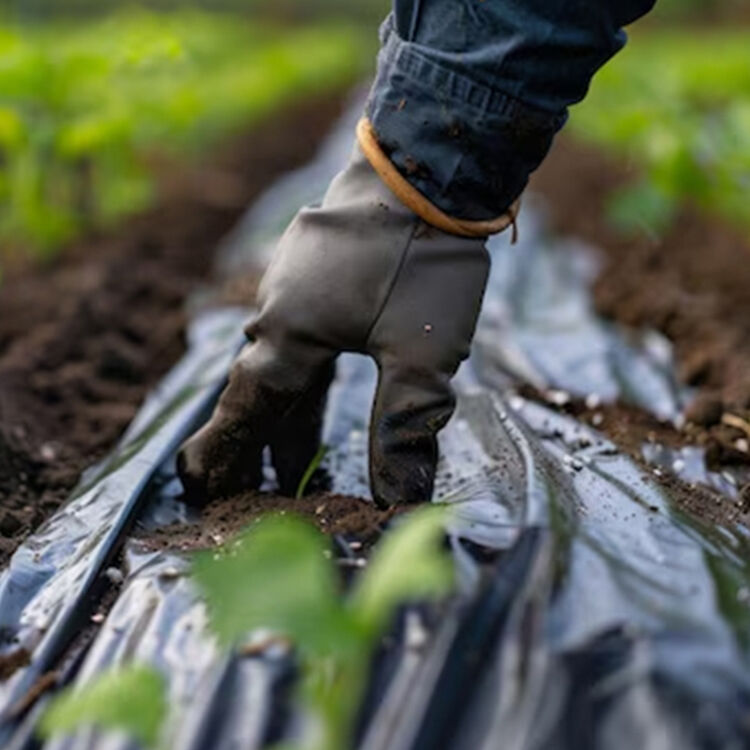
Modern greenhouse agriculture has transformed food production worldwide, enabling farmers to achieve remarkable yields while protecting crops from harsh environmental conditions. At the heart of this agricultural revolution lies a critical component that often goes unnoticed: the covering material that defines the greenhouse environment. PO film has emerged as the preferred choice for progressive growers seeking to optimize light transmission, durability, and crop performance in their controlled growing environments.
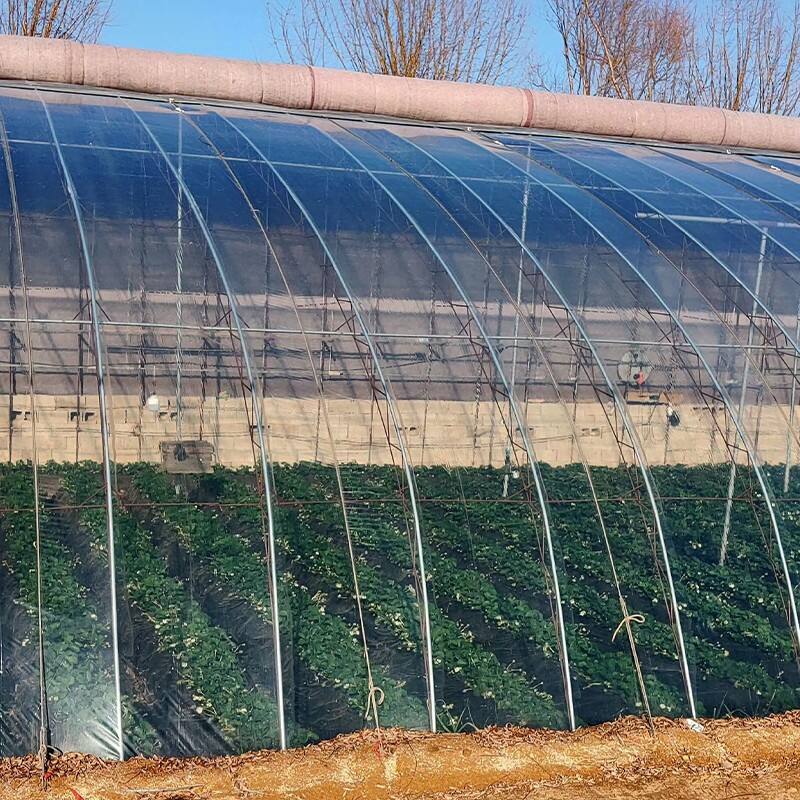
The transparency characteristics of greenhouse covering materials directly impact photosynthetic efficiency and overall plant health. High-transparency films allow maximum light penetration while maintaining structural integrity and weather resistance. This balance between optical clarity and physical durability has made specialized polyolefin films increasingly popular among commercial growers and agricultural professionals worldwide.
Understanding PO Film Technology and Composition
Advanced Polymer Chemistry in Agricultural Applications
PO film represents a significant advancement in agricultural polymer technology, combining the benefits of polyethylene and ethylene vinyl acetate copolymers. This sophisticated blend creates a material with exceptional optical properties while maintaining the flexibility and durability required for long-term greenhouse applications. The molecular structure of PO film allows for superior light transmission rates compared to traditional polyethylene films.
The manufacturing process involves precise control of polymer ratios and the incorporation of specialized additives that enhance UV resistance and thermal stability. These additives prevent degradation from prolonged sun exposure while maintaining the film's transparency throughout its operational lifespan. Professional-grade PO film typically achieves light transmission rates exceeding 90%, significantly higher than standard greenhouse plastics.
Optical Properties and Light Management
The transparency of PO film extends beyond simple visible light transmission to include optimal management of the entire light spectrum. This advanced material allows beneficial wavelengths to penetrate while filtering harmful UV radiation that can damage plant tissues. The result is a growing environment that maximizes photosynthetic activity while protecting crops from radiation stress.
Spectral analysis of high-quality PO film reveals superior performance across the photosynthetically active radiation spectrum, ensuring plants receive the full range of light wavelengths necessary for optimal growth and development. This comprehensive light management capability distinguishes PO film from other greenhouse covering materials and contributes directly to improved crop yields and quality.
Performance Advantages in Greenhouse Agriculture
Enhanced Crop Productivity Through Superior Light Transmission
Agricultural research consistently demonstrates the correlation between light availability and crop productivity in controlled environments. Greenhouse operations utilizing high-transparency PO film report yield increases of 15-25% compared to facilities using standard polyethylene coverings. This improvement stems from the enhanced photosynthetic capacity that results from increased light penetration and better light quality management.
The economic impact of these yield improvements can be substantial for commercial growers. Higher light transmission rates translate to faster crop maturation, increased fruit set, and improved plant vigor throughout the growing season. These benefits compound over multiple harvest cycles, making the investment in premium PO film highly cost-effective for serious agricultural operations.
Durability and Longevity Benefits
Professional-grade PO film combines exceptional transparency with remarkable durability, offering service lives of 4-6 years under normal greenhouse conditions. This longevity surpasses traditional plastic films by 50-100%, reducing replacement costs and minimizing operational disruptions. The advanced polymer formulation resists common causes of film failure including UV degradation, thermal stress, and mechanical wear.
The tear resistance and puncture strength of PO film exceed those of conventional materials, providing reliable protection against wind damage, hail impact, and handling stress during installation and maintenance. This mechanical integrity ensures consistent performance throughout the film's operational life while maintaining optimal light transmission characteristics.
Environmental Factors and Climate Control
Thermal Properties and Energy Efficiency
The thermal characteristics of PO film contribute significantly to greenhouse energy efficiency and climate control capabilities. The material's infrared transmission properties help maintain stable temperatures while reducing heating and cooling costs. This thermal management is particularly important in regions with extreme seasonal temperature variations or high energy costs.
Heat retention properties of quality PO film reduce nighttime temperature drops, creating more stable growing conditions and reducing stress on temperature-sensitive crops. This thermal stability contributes to consistent plant development and can extend growing seasons in temperate climates, maximizing facility utilization and profitability.
Moisture Management and Condensation Control
Advanced PO film formulations incorporate anti-condensate additives that minimize water droplet formation on the interior surface. This condensation control is crucial for maintaining optimal light transmission and preventing disease issues related to excess moisture. Droplet-free surfaces ensure maximum light penetration while reducing the risk of fungal and bacterial infections that thrive in high-humidity environments.
The moisture management properties of premium PO film extend beyond simple condensation control to include water sheet formation and drainage characteristics. These features help maintain clean film surfaces and consistent optical performance throughout the growing season, even in high-humidity greenhouse environments.
Installation and Maintenance Considerations
Professional Installation Techniques
Proper installation of PO film is essential for achieving maximum transparency and longevity benefits. Professional installation techniques ensure optimal tensioning, secure attachment, and minimal stress concentration points that could lead to premature failure. The flexibility of PO film allows for easier handling and installation compared to rigid covering materials, but requires specific techniques to achieve optimal results.
Installation considerations include frame preparation, attachment methods, and tensioning systems that accommodate thermal expansion and contraction cycles. Professional installers understand these requirements and can ensure that PO film installations achieve their full performance potential while minimizing maintenance requirements and operational disruptions.
Maintenance Protocols and Performance Optimization
Regular maintenance of PO film installations helps preserve transparency and extend service life. Cleaning protocols remove dust, algae, and other contaminants that can reduce light transmission over time. Simple washing with mild detergents and soft brushes can restore film transparency to near-original levels, ensuring consistent crop performance throughout the growing season.
Inspection routines identify potential issues before they compromise film integrity or transparency. Regular monitoring of attachment points, stress areas, and surface conditions allows for preventive maintenance that maximizes the return on investment in quality PO film systems. These maintenance protocols are straightforward and can be integrated into existing greenhouse management routines.
Economic Analysis and Return on Investment
Cost-Benefit Analysis for Commercial Operations
The initial investment in high-transparency PO film typically represents a premium of 20-40% over standard greenhouse plastics, but this cost difference is quickly offset by improved yields and reduced replacement frequency. Economic analysis of commercial greenhouse operations shows positive return on investment within the first growing season for most crop types and market conditions.
Long-term economic benefits include reduced labor costs for film replacement, lower heating and cooling expenses, and improved crop quality that commands premium market prices. These factors combine to create compelling economic incentives for upgrading to professional-grade PO film systems in commercial greenhouse operations.
Market Trends and Future Projections
The global greenhouse film market continues to evolve toward higher-performance materials as growers recognize the economic advantages of advanced covering systems. Industry projections indicate continued growth in PO film adoption, driven by increasing demand for high-yield agriculture and sustainable growing practices. This market trend reflects the proven benefits of transparency optimization in controlled environment agriculture.
Emerging applications for PO film include specialty crop production, research facilities, and high-value horticultural operations where maximum light utilization is critical. These expanding market segments demonstrate the versatility and performance advantages of advanced polyolefin film technology in diverse agricultural applications.
FAQ
How long does PO film typically last in greenhouse applications
High-quality PO film installations typically provide 4-6 years of reliable service under normal greenhouse conditions. This longevity depends on factors including UV exposure, mechanical stress, and maintenance practices. Professional-grade materials with advanced UV stabilizers can achieve even longer service lives in optimal conditions, making them highly cost-effective for commercial operations.
What transparency levels can be achieved with modern PO film
Premium PO film products routinely achieve light transmission rates exceeding 90%, with some specialized formulations reaching 92-94% transparency. These high transmission levels significantly exceed those of standard polyethylene films and approach the performance of glass glazing systems while maintaining the flexibility and cost advantages of plastic materials.
How does PO film compare to glass in greenhouse applications
While glass offers excellent transparency and longevity, PO film provides comparable light transmission at a fraction of the installation cost and structural requirements. The flexibility of PO film allows for easier installation and replacement while offering superior impact resistance and thermal properties that can enhance energy efficiency in many climate conditions.
What factors should be considered when selecting PO film for greenhouse use
Key selection criteria include light transmission specifications, UV resistance ratings, mechanical strength properties, and anti-condensate features. Consider local climate conditions, crop requirements, and long-term operational plans when evaluating different PO film options. Professional consultation can help identify the optimal material specifications for specific applications and performance requirements.