
 EN
EN
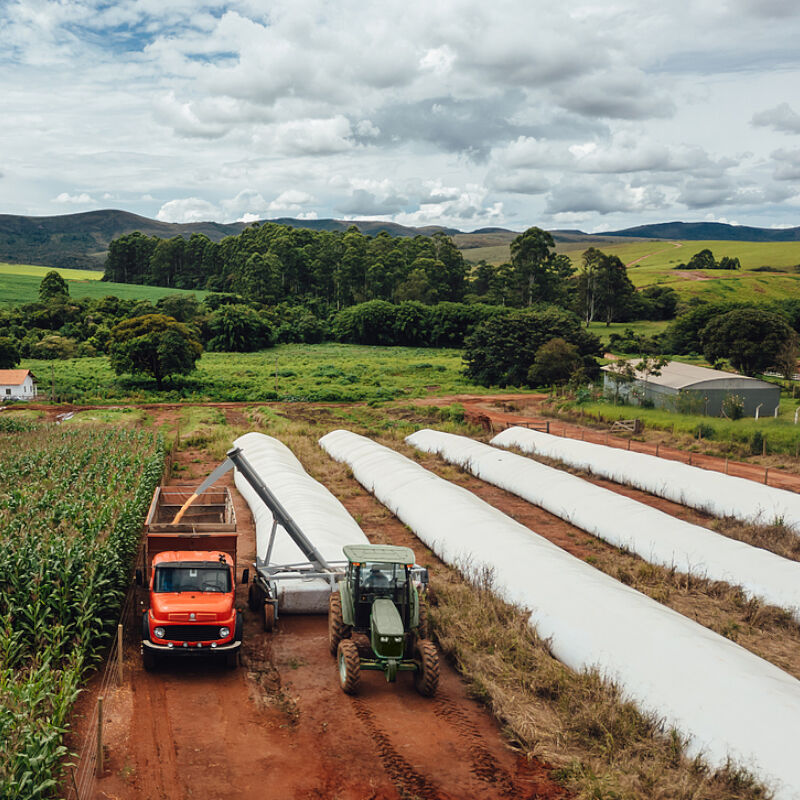
Livestock producers worldwide face the constant challenge of maintaining consistent, high-quality feed throughout the year. Traditional storage methods often fall short when it comes to preserving nutritional value and preventing spoilage. Silage bags have emerged as a revolutionary solution, offering farmers an efficient and cost-effective way to store large quantities of feed while maintaining optimal quality for extended periods. This comprehensive storage system allows producers to maximize their harvest potential and ensure their animals receive nutritious feed regardless of seasonal variations.
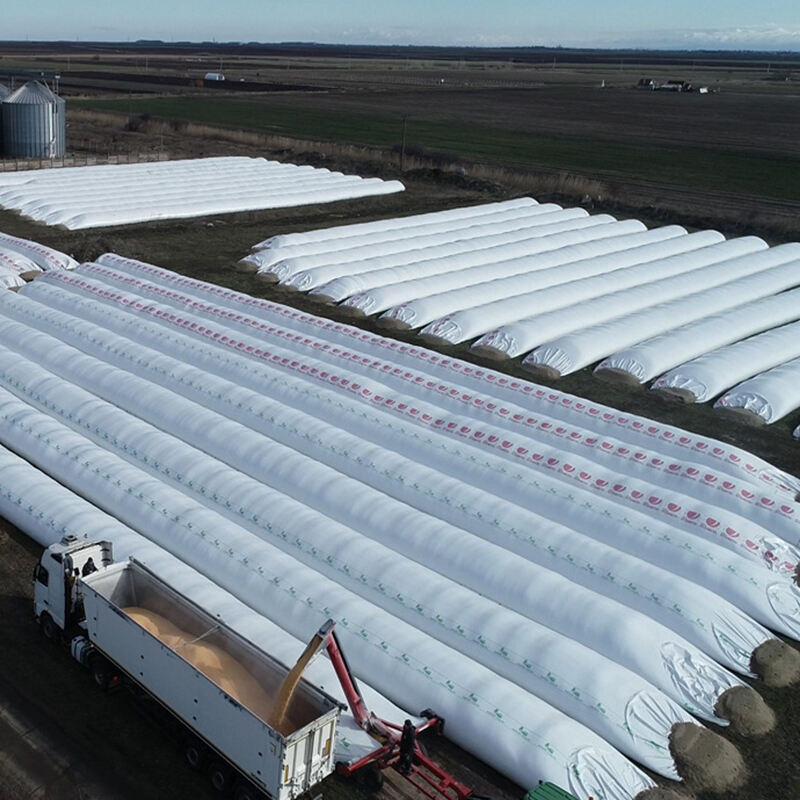
Understanding Silage Bag Technology and Benefits
How Silage Bags Preserve Feed Quality
The science behind silage bags relies on creating an anaerobic environment that promotes beneficial fermentation while preventing harmful bacterial growth. When properly filled and sealed, these storage systems eliminate oxygen exposure, which is the primary culprit behind feed deterioration. The fermentation process that occurs within silage bags naturally preserves nutrients and creates an acidic environment that inhibits mold and harmful microorganisms. This controlled environment ensures that the nutritional value of your feed remains intact for months, providing consistent quality that traditional storage methods simply cannot match.
Modern silage bags utilize advanced polymer technology to create barriers against moisture, oxygen, and UV radiation. The multi-layer construction typically includes an inner barrier layer that prevents gas exchange, while the outer layer provides durability and weather resistance. This sophisticated design allows farmers to store various types of feed materials, from corn silage to grass silage, with confidence that the contents will maintain their nutritional integrity throughout the storage period.
Economic Advantages of Silage Storage Systems
The financial benefits of implementing silage bags in your feeding operation extend far beyond the initial investment. Traditional storage structures like concrete bunkers or silos require significant capital expenditure and ongoing maintenance costs. In contrast, silage bags offer a flexible solution that can be scaled according to your specific needs without requiring permanent infrastructure. This adaptability makes them particularly attractive for operations looking to expand their storage capacity without committing to expensive construction projects.
Feed loss reduction represents another substantial economic advantage. Studies have shown that properly managed silage bags can reduce feed waste by up to 15% compared to traditional storage methods. When you consider the rising costs of feed ingredients and the impact of weather-related losses, this preservation efficiency translates directly to improved profit margins. Additionally, the ability to purchase feed ingredients in bulk during favorable market conditions and store them effectively allows for strategic procurement that can significantly reduce annual feed costs.
Optimal Silage Bag Selection and Specifications
Choosing the Right Bag Size and Capacity
Selecting appropriate silage bags requires careful consideration of your operation's specific needs and storage requirements. Bag capacity typically ranges from 200 to 500 tons, with diameter options varying from 8 to 12 feet. Larger operations often benefit from maximum capacity bags to reduce the number of storage units required, while smaller farms may prefer multiple smaller bags for better feed rotation management. The key is matching bag size to your consumption rate to ensure optimal freshness and minimize waste from prolonged exposure once bags are opened.
Length considerations are equally important when planning your storage system. Standard silage bags can extend up to 300 feet, allowing for substantial storage volumes while maintaining efficient space utilization. However, longer bags require more sophisticated equipment for filling and may present challenges in terms of site preparation and management. Working with experienced suppliers helps ensure you select the optimal configuration for your specific circumstances, taking into account factors like available land area, equipment capabilities, and seasonal feeding patterns.
Material Quality and Durability Features
The material composition of silage bags directly impacts their performance and longevity. High-quality bags typically feature three-layer construction with specialized additives that enhance UV resistance and puncture protection. The inner layer serves as the primary oxygen barrier, while the middle layer provides structural integrity, and the outer layer offers protection against environmental factors. Premium silage bags incorporate carbon black and UV stabilizers that extend usable life even under intense sunlight exposure.
Thickness specifications typically range from 9 to 12 mils, with thicker materials offering superior durability but at higher cost. The optimal thickness depends on storage duration, environmental conditions, and handling requirements. Operations planning long-term storage or dealing with challenging weather conditions benefit from investing in thicker materials, while shorter storage periods may allow for cost-effective thinner options without compromising performance.
Proper Installation and Filling Procedures
Site Preparation and Equipment Requirements
Successful silage bag implementation begins with thorough site preparation that ensures optimal storage conditions and equipment access. The storage area should be level, well-drained, and free from sharp objects that could damage the bag material. Proper drainage is particularly critical, as standing water can compromise bag integrity and create conditions favorable to spoilage. Site preparation also includes establishing clear access routes for filling and extraction equipment, ensuring adequate space for maneuvering large machinery throughout the storage and feeding periods.
Equipment selection plays a crucial role in achieving optimal results with silage bags. Specialized bag fillers or packers are essential for proper densification and sealing. These machines ensure uniform packing density, which is critical for effective fermentation and long-term storage success. The packing density should typically achieve 12-16 pounds per cubic foot for optimal preservation. Inadequate packing can result in excessive air pockets that compromise the anaerobic environment, while over-packing may stress the bag material and increase the risk of tears or punctures.
Filling Techniques for Maximum Preservation
The filling process requires careful attention to timing and technique to maximize feed preservation quality. Material moisture content should ideally range between 60-70% for optimal fermentation. Higher moisture levels can lead to excessive acid production and potential spoilage, while lower moisture content may result in incomplete fermentation and reduced preservation effectiveness. Monitoring moisture levels throughout the filling process ensures consistent quality across the entire storage volume.
Continuous filling operations produce the best results by minimizing air exposure during the storage process. Interruptions in filling should be avoided whenever possible, as exposure to atmospheric oxygen can compromise the anaerobic environment essential for proper preservation. When breaks in filling are necessary, temporary sealing measures should be implemented to maintain the integrity of already-packed material. The final sealing process requires careful attention to eliminate all air pockets and ensure complete closure of the bag ends.
Maintenance and Monitoring Best Practices
Regular Inspection and Preventive Care
Ongoing maintenance of silage bags requires systematic inspection protocols to identify potential issues before they compromise feed quality. Visual inspections should be conducted weekly, focusing on signs of damage such as punctures, tears, or areas where the material appears stressed. Early detection of minor damage allows for prompt repairs that prevent more significant problems. Inspection routes should be established to ensure comprehensive coverage of all storage units, with particular attention paid to areas prone to wildlife damage or equipment contact.
Wildlife protection measures are essential for maintaining silage bags integrity throughout the storage period. Birds, rodents, and larger animals can cause significant damage that compromises the anaerobic environment. Effective deterrent systems may include visual deterrents, physical barriers, or sonic devices, depending on the specific wildlife challenges in your area. Regular monitoring helps identify emerging issues and allows for timely intervention to prevent costly feed losses.
Quality Assessment and Storage Duration Management
Proper management of silage bags includes understanding optimal storage durations for different feed types and monitoring quality indicators throughout the storage period. Most properly managed silage maintains high quality for 12-18 months, though this can vary based on initial material quality, moisture content, and storage conditions. Establishing a rotation system ensures that older material is used first, maintaining freshness across your feeding program and preventing waste from extended storage.
Temperature monitoring provides valuable insights into fermentation progress and potential quality issues. Properly fermenting silage typically shows temperature increases during the first few weeks of storage before stabilizing. Excessive or prolonged temperature elevation may indicate spoilage issues that require immediate attention. Simple temperature monitoring tools can provide early warning of potential problems, allowing for corrective action before significant feed losses occur.
Feed-Out Strategies and Equipment Considerations
Efficient Extraction Methods
The feed-out process requires careful planning and appropriate equipment to maintain feed quality while ensuring efficient daily operations. Specialized silage bag unloaders provide the most effective means of removing material while maintaining the integrity of the remaining stored feed. These machines create clean extraction faces that minimize air exposure and prevent spoilage of unused material. Proper extraction techniques involve removing material in uniform layers across the entire face, preventing the formation of loose areas that can lead to secondary fermentation or spoilage.
Feed-out rates should be planned to match your operation's daily consumption needs while maintaining freshness standards. Generally, removing at least 6-12 inches of material from the face daily helps prevent spoilage in warm weather conditions. During cooler periods, slower feed-out rates may be acceptable, but monitoring for signs of secondary fermentation or heating remains important. Establishing consistent feed-out schedules helps maintain routine and ensures optimal feed quality delivery to your livestock.
Managing Exposure and Minimizing Waste
Once silage bags are opened, managing air exposure becomes critical for maintaining feed quality. The exposed face should be kept as smooth and vertical as possible to minimize the surface area in contact with air. Loose or disturbed material should be removed promptly, as these areas are most susceptible to spoilage. In warm weather conditions, covering the exposed face with plastic sheeting or other protective materials can extend the usable life of the exposed silage.
Waste management strategies should address both normal losses during handling and disposal of unusable material. Even with optimal management, some surface spoilage is normal and expected. Having clear protocols for identifying and removing spoiled material helps prevent contamination of good feed and ensures livestock receive only high-quality nutrition. Composting spoiled silage provides an environmentally responsible disposal method while creating valuable soil amendments for crop production areas.
Integration with Overall Feed Management Systems
Coordinating with Seasonal Feeding Programs
Effective use of silage bags requires integration with your overall feeding strategy and seasonal management practices. Storage planning should consider variations in feed availability throughout the year, with silage serving as a reliable backup during periods when fresh feed sources are limited. This strategic approach helps smooth out seasonal variations in feed costs and availability while ensuring consistent nutrition for your livestock regardless of weather conditions or market fluctuations.
Nutritional planning should account for the preserved feed's characteristics and how they complement other feed sources in your operation. Silage bags allow for storing different feed types separately, enabling precise ration formulation and nutritional management. This flexibility is particularly valuable for operations feeding different animal groups with varying nutritional requirements, as specific feed formulations can be preserved and accessed as needed throughout the feeding period.
Record Keeping and Performance Tracking
Comprehensive record keeping enhances the effectiveness of silage bags in your feeding operation and provides valuable data for future planning. Documentation should include filling dates, material sources, moisture content, storage conditions, and feed-out performance. This information helps optimize storage procedures and provides insights into factors that influence feed quality and preservation success.
Performance tracking should monitor both storage efficiency and animal performance indicators to assess the overall success of your silage program. Comparing feed conversion rates, animal health indicators, and production metrics between animals fed stored silage versus other feed sources provides valuable feedback on storage effectiveness. This data-driven approach enables continuous improvement in storage practices and helps justify investment in quality storage systems.
FAQ
What is the optimal moisture content for materials stored in silage bags
The ideal moisture content for material stored in silage bags ranges between 60-70%. This moisture level promotes proper fermentation while preventing excessive acid production that can lead to spoilage. Materials with moisture content below 55% may not ferment adequately, while materials exceeding 75% moisture can result in poor fermentation quality and potential seepage issues that compromise storage integrity.
How long can feed be safely stored in silage bags
Properly managed silage bags can safely preserve feed quality for 12-18 months under normal conditions. The actual storage duration depends on factors including initial material quality, moisture content, packing density, and environmental conditions. High-quality silage bags with proper management techniques have successfully maintained feed quality for up to 24 months, though regular quality assessment is recommended for extended storage periods.
What are the main factors that can cause silage bag failure
The primary causes of silage bag failure include physical damage from wildlife or equipment contact, inadequate sealing during installation, poor site drainage leading to water accumulation, and material degradation from prolonged UV exposure. Prevention strategies include proper site preparation, wildlife deterrent systems, quality bag materials with UV protection, and regular inspection protocols to identify and address issues before they compromise storage integrity.
How do silage bags compare to traditional storage methods in terms of cost effectiveness
Silage bags offer significant cost advantages over traditional storage methods, particularly for operations requiring flexible storage capacity. The initial investment is substantially lower than constructing permanent silos or bunkers, and the scalable nature allows for capacity adjustments without major capital expenditure. Additionally, reduced feed losses and improved preservation efficiency typically result in 10-15% better feed utilization compared to traditional storage methods, providing ongoing economic benefits throughout the storage period.